

.jpg) 1 day ago
2
1 day ago
2
PROTECT YOUR DNA WITH QUANTUM TECHNOLOGY
Orgo-Life the new way to the future Advertising by AdpathwayOur editors curate highly rated brands that are first assessed by our rigorous ratings system. Buying through our links may earn us a commission—supporting the work we do. Learn more.
Denim and clothing brand Gap has an unsustainable fast fashion business model and isn’t doing enough to reduce its impact. We rate Gap “It’s a Start” because its middling efforts aren’t meeting the mark. Keep reading to learn more about the details of Gap’s rating.
This article is based on the Gap rating published in July 2025 and may not reflect claims the brand has made since then. Our ratings analysts are constantly rerating the thousands of brands you can check on our directory.
Why Gap has a responsibility to do more
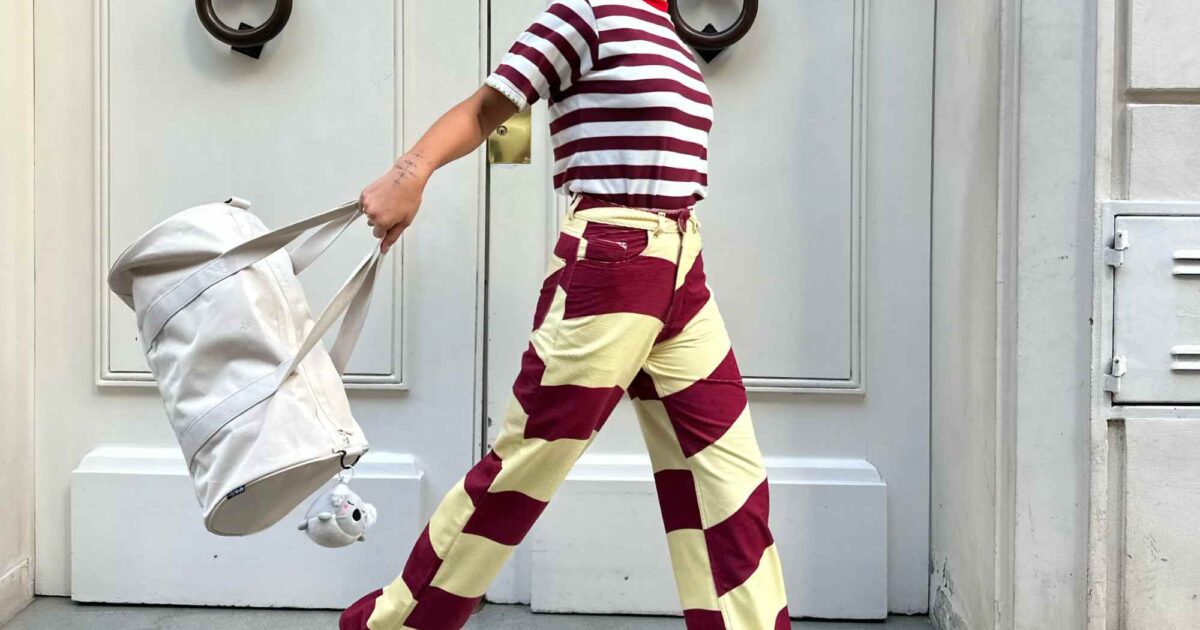
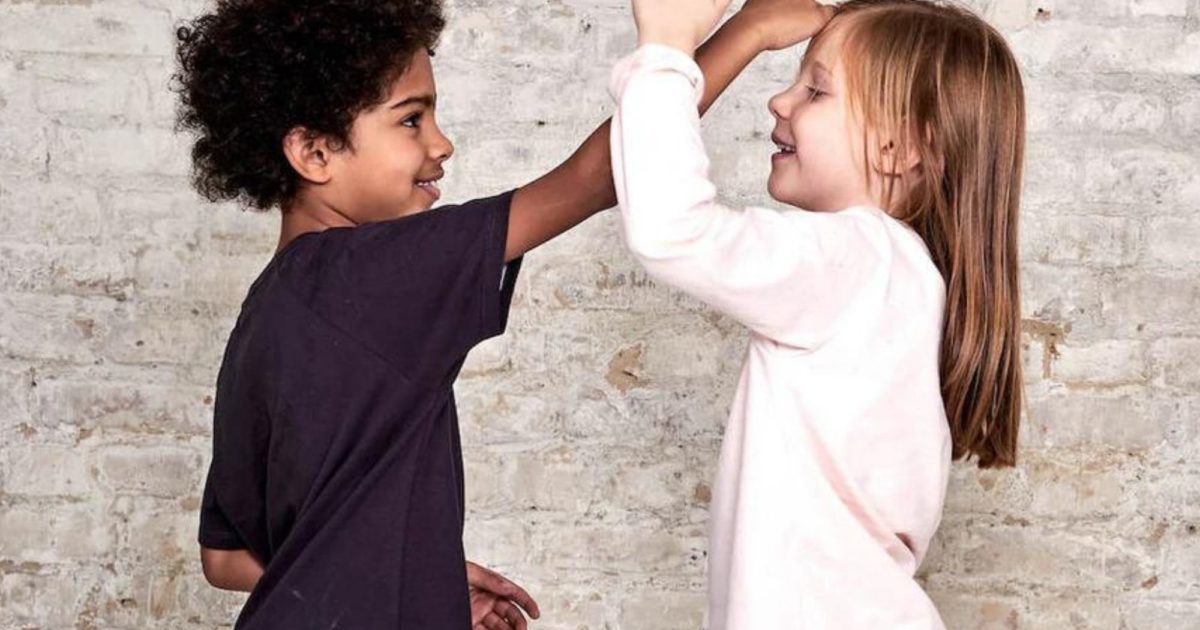
Since its founding in 1969 Gap has built its name in the US and around the world as a go-to for affordable clothing, particularly denim. Like many big brands, Gap’s success and popularity have fluctuated over the years, but it is in the swing of a “comeback” right now, with designer Zac Posen at the helm and profits increasing, according to Business of Fashion. And recently it has collaborated with Victoria Beckham and AWAKE NY.
But despite these designer collaborations, Gap itself is characterised as a fast fashion brand because of the huge volume of products it sells and its regular heavy discounting. Gap has more than 1,400 company-owned or franchised stores worldwide, which means it’s producing a lot of stock.
With such global influence, Gap ought to be showing leadership in sustainability. Read on to read why its labour rights, environmental sustainability, and animal welfare aren’t quite meeting the mark right now.
Environmental impact
Our analysts rate Gap “It’s a Start” for its environmental impact.
Gap has set a science-based target to reduce greenhouse gas emissions in both its direct operations and supply chain, and it claims it’s on track; it uses recycled packaging; and it has published a biodiversity policy covering some of its supply chain.
Gap uses some lower-impact materials, but it doesn’t publish a breakdown of what proportion of all its materials they make up.
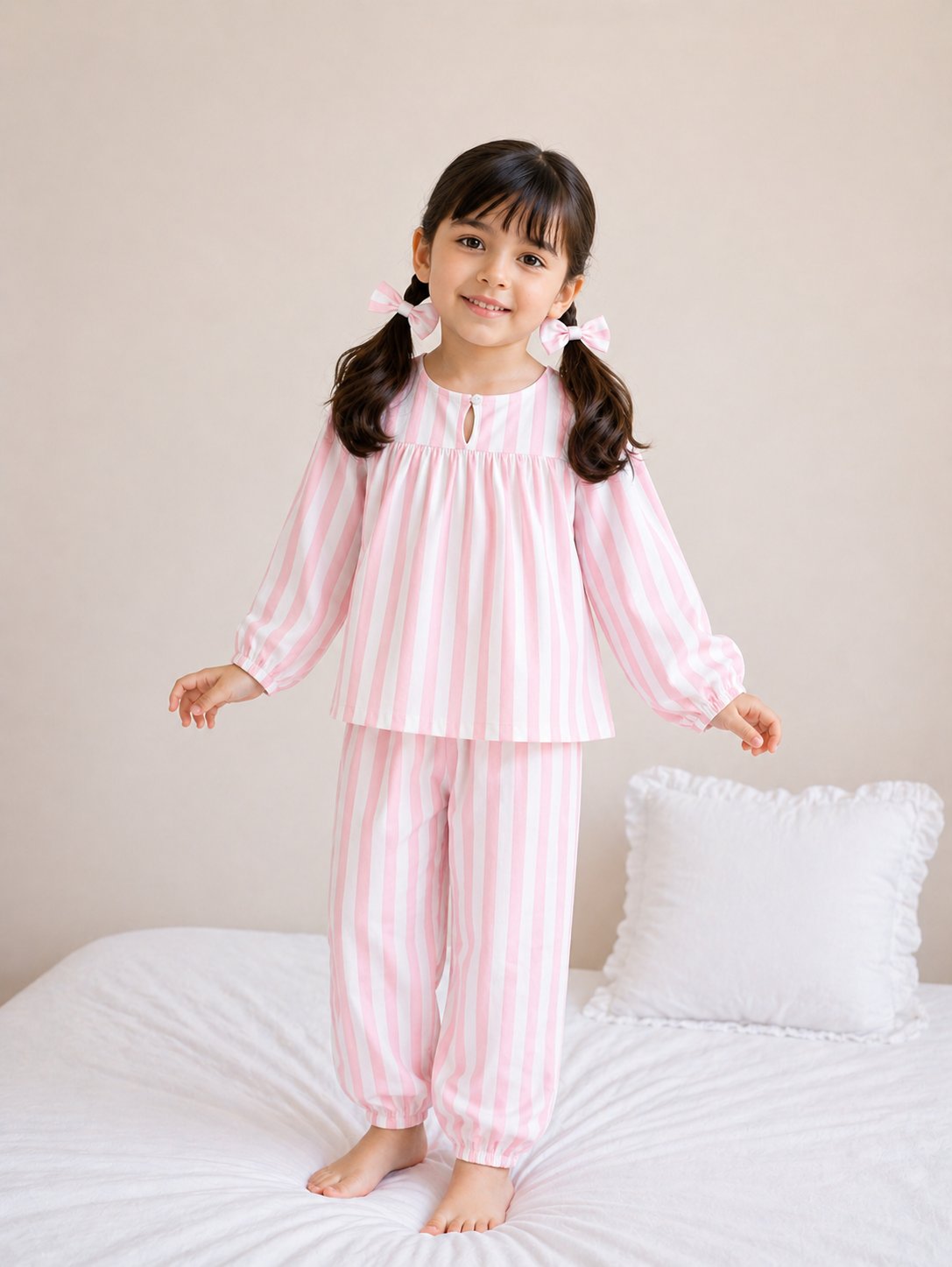
What we do know is that the brand continues to rely on synthetics, as a recent controversy around the reissue of its archival Happy Stripe collection demonstrated: while the original was made from knitted cotton-blend stripes, the latest iteration featured stripes printed on a virgin polyester material in what Posen described as “an icon, reimagined”. We’d prefer to see the brand reimagine its approach to fossil fuel-derived materials that contribute to the climate crisis.
And considering Gap’s focus on denim, a water-intensive material, it’s disappointing that the brand’s CDP Water Disclosure score is only “B”, which indicates it is taking some good action to manage its water impact but is not showing leadership or implementing the best practices outlined by the respected climate reporting organisation. With such a massive denim output and huge purchasing power, Gap should be doing better in this area.
Labour conditions
Gap rates “It’s a Start” for labour, too.
It has some initiatives and policies in place to help support and protect workers, such as a basic diversity and inclusion policy, a Code of Conduct covering ILO principles, and measures to initiatives to empower vulnerable women and girls in some of its supply chain.
Gap says it has a project to improve wages, but it falls short of paying a living wage to everyone in its supply chain—something which is crucial to ensuring the dignity and wellbeing of those making its clothes.
In addition, much of its final production stage is located in countries with a higher risk of labour abuse in facilities that are not covered by adequate certifications. Clearly, there’s a gap in Gap’s labour justice efforts.
Animal welfare
We rate Gap “It’s a Start”, because the brand has a formal animal welfare policy but it’s not aligned with the Five Domains of Animal Welfare.
It uses some recycled or certified alternatives to conventional wool, but this doesn’t make up a particularly large percentage of the brand’s overall animal-derived materials mix, showing that more efforts are needed in this area.
Once again, we see Gap taking some positive steps but not enough, which is the story that ties much of this rating together.
Overall rating: ‘It’s a Start’
We’ve rated Gap “It’s a Start” overall based on our own research. Though Gap has some started implementing some positive policies and initiatives, it still needs to make changes in all areas.
The brand should urgently work to address its lack of living wage assurance, use of conventional animal-derived materials, and its reliance on unsustainable synthetic materials.
It’s also worth noting that Gap’s scores across people, the planet, and animals have barely changed since we last rated it at the start of 2024, demonstrating that it is consistently lacking in its commitment to reducing its impact. Remediating this is particularly important for a fast fashion brand because the industry is a significant contributor to overproduction, textile waste, and labour exploitation.
Note that Good On You ratings consider hundreds of issues, and it is not possible to list every relevant issue in a summary of the brand’s performance. For more information, see our How We Rate page and our FAQs.
Good swaps
If you’re a Gap fan reading this and wondering where you’ll find more affordable casual clothes and jeans now, then scroll on for our top-rated “Good” and “Great” alternatives.
Toad&Co

Toad&Co is a US brand working in a more socially and environmentally minded way. Its women’s and menswear is equally suited for the rigours of the trail or the tavern.
Most items are available in sizes XS-2XL.
Yes Friends

Yes Friends is a UK-based fashion brand that creates more affordable clothing for everyone. Yes Friends’ first product, classic cut t-shirts, cost less than £4 to make and the brand only charges £7.99. Using large scale production and direct to consumer margins means Yes Friends can charge you an affordable price for its more responsible clothing.
Find the range inclusively sized in 2XS-4XL.
Jyoti – Fair Works

Jyoti – Fair Works is based in Germany and makes GOTS certified cotton products. It provides employment for people from marginalised or disadvantaged groups in India.
Sizes available are S-XL.
ASKET
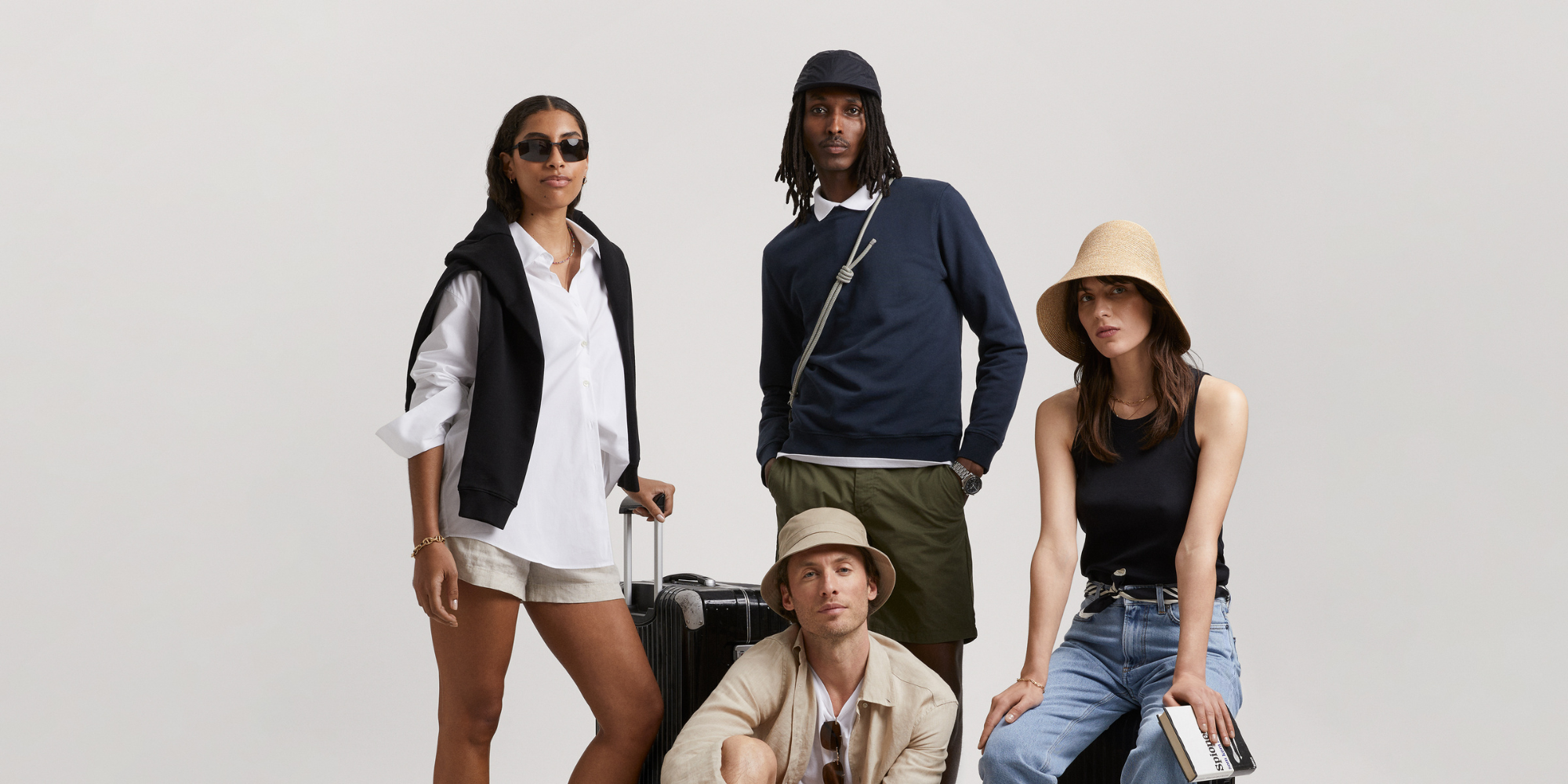
ASKET has been creating timeless wardrobe essentials since 2015 with revolutionary sizing and fair pricing. The brand disregards seasonal collections, cuts out all the middlemen, and only sells directly to you—putting its entire focus on building a single permanent collection.
Find the range in sizes 2XS-2XL.
Elk
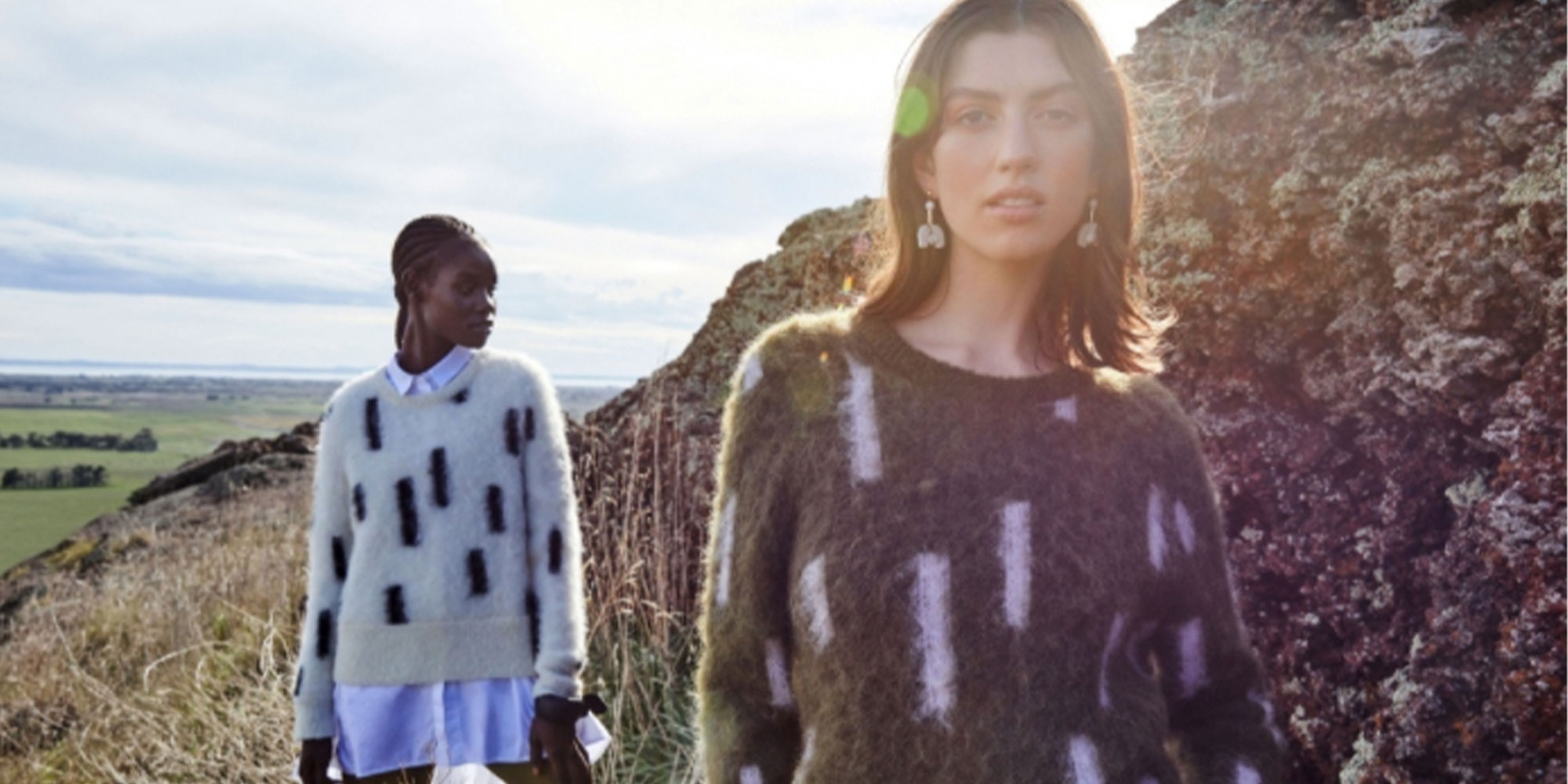
A pioneer of independent Australian design, Elk was founded in Melbourne in 2004. Elk creates bi-annual collections that are informed by a design ethos where simplicity and sustainability meet innovation.
Find most items in AU sizes 6-18.
Dickies
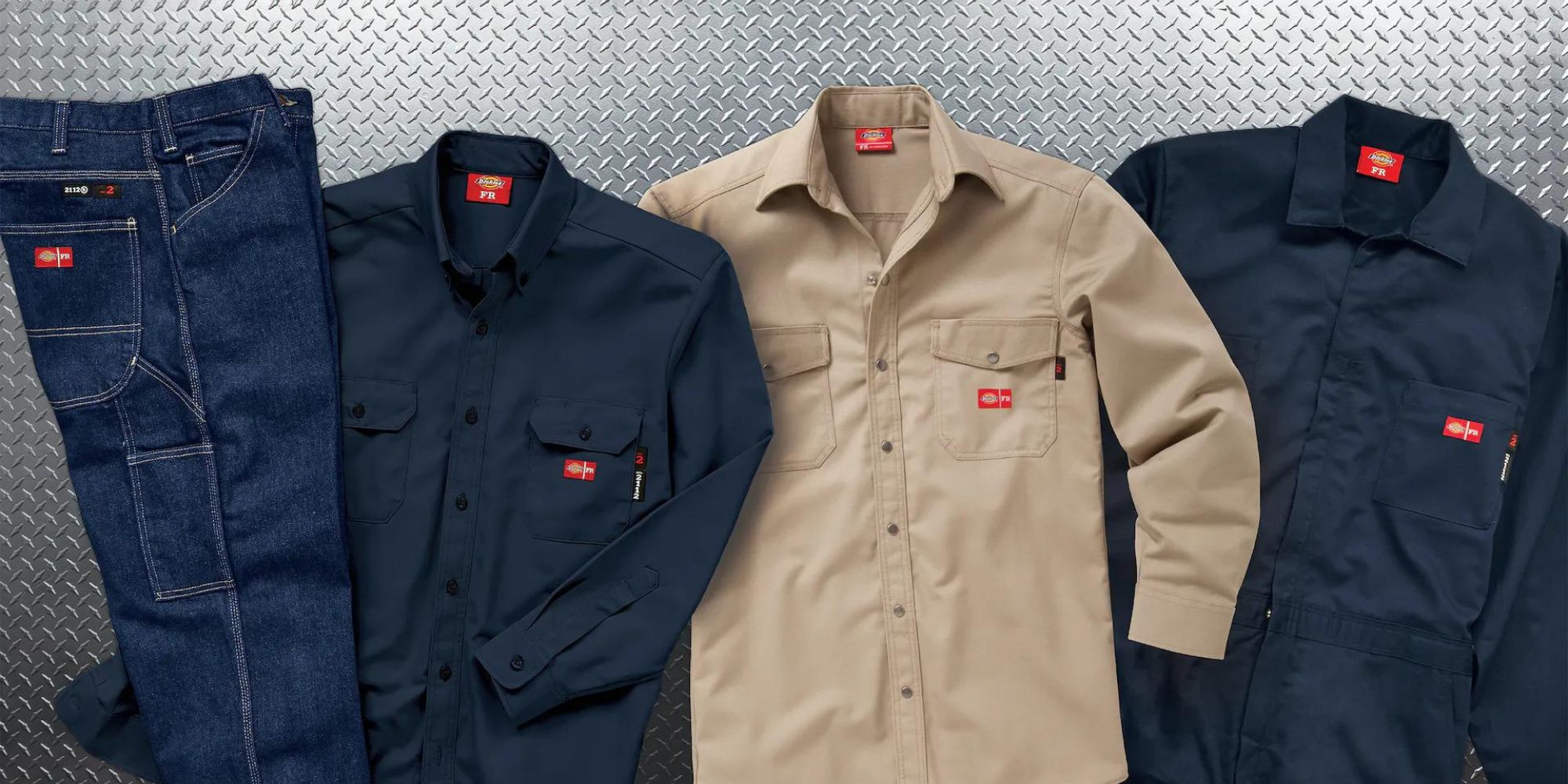
Dickies has made a public commitment to reduce greenhouse gas emissions but is not taking adequate steps to ensure payment of a living wage for its workers. However, it is a better option than other major workwear brands for protective construction and other gear.
Find the range in inclusive sizes 2XS-6XL.
Editor's note
Good On You publishes the world’s most comprehensive ratings of fashion and beauty brands’ impact on people, the planet, and animals. Use our directory to search thousands of rated brands.
We updated this article on 21 July 2026. Our editors frequently make updates to articles to ensure they’re up to date. We updated the information to reflect the brand’s most recent rating review.








.png)





.jpg)



 English (US) ·
  French (CA) ·