

 6 hours ago
11
6 hours ago
11
PROTECT YOUR DNA WITH QUANTUM TECHNOLOGY
Orgo-Life the new way to the future Advertising by AdpathwayAnalysis of the Federal Judge’s Dismissal of Charges Against Don Lemon
Recent developments in a federal case against Don Lemon reveal significant tensions between law enforcement and the judiciary. On January 22, 2026, a federal magistrate in Minnesota blocked attempts by the Department of Justice to charge the former CNN anchor in connection with a church protest. This decision has sparked discussions surrounding the implications for civil rights and the treatment of protests under the law.
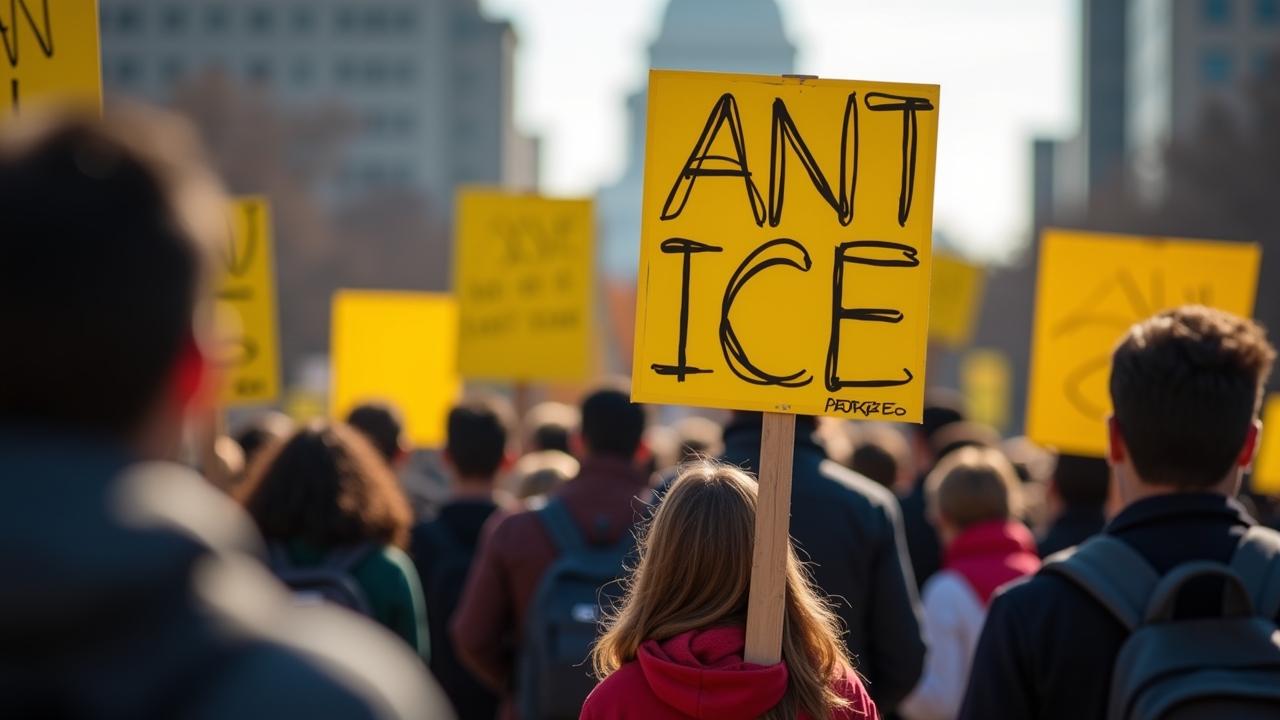
The situation stems from a protest at Cities Church in St. Paul on January 18, 2026, where demonstrators opposed U.S. Immigration and Customs Enforcement policies. The protest followed the fatal shooting of a woman, Renee Good, by an ICE officer. Activists voiced their outrage and directed their messages at the church’s pastor, who is also affiliated with ICE. The protest intended to draw attention to controversial immigration enforcement practices but escalated into federal charges against several participants, including Lemon.
Lemon’s presence at the protest has drawn scrutiny, with the DOJ asserting that he conspired to interfere with the First Amendment rights of worshippers. However, Magistrate Judge Douglas Micko’s ruling highlighted insufficient probable cause to pursue these charges. This ruling underscores a growing judicial resistance to the broader narrative of treating civil protests as criminal conspiracies. Judge Micko’s assessment—”I see no threat or use of force”—challenges the government’s interpretation of the events, suggesting that judicial oversight remains vigilant against perceived overreach.
Lemon’s attorney, Abbe Lowell, pointed to the ruling as a validation of Lemon’s role as a journalist. “Don will call out their latest attack on the rule of law,” he stated, reinforcing the notion that journalism should not be criminalized in such contexts. Lemon maintained that his involvement was purely journalistic, stating in a social media video, “Once the protest started… we did an act of journalism.” This distinction between activism and journalism is critical and raises questions about how the law views public dissent.
The government’s approach, as articulated by Attorney General Pam Bondi and Assistant Attorney General Harmeet Dhillon, frames the protest as a coordinated attack on a place of worship. Dhillon’s assertion that “being a journalist is not a badge or a shield that protects you from criminal consequences” emphasizes a hardline stance on what constitutes acceptable protest conduct. However, the legal outcomes in this case suggest that the courts may not easily acquiesce to the DOJ’s narrative.
The fallout has significant implications beyond the courtroom, particularly given the heightened interest from federal agencies, including the FBI and Department of Homeland Security. Investigations appear directed not toward accountability for the shooting of Renee Good but rather at the disruption of the worship service itself. This focus has drawn criticism and concerns about overreach, especially regarding the feared crackdown on political dissent posed by law enforcement.
Events surrounding the case have instigated a broader debate about First Amendment rights amid increasing tensions over immigration enforcement. As protests have intensified in the Twin Cities following Good’s death, the government has sought what it describes as preventative measures against “copycat” demonstrations. Yet, while concerns about public order are legitimate, the judiciary’s consistent pushback against these aggressive tactics serves as a reminder that the law must balance the rights to protest with maintaining civil order.
Judge Patrick Schiltz and the 8th Circuit Court of Appeals have similarly questioned the legal grounds for prosecutors’ actions, illuminating a lack of cohesive strategy within the DOJ. For example, the refusal of the emergency moves sought by the government indicates skepticism about the claimed urgency behind the arrests. Judge Schiltz’s comment that demonstrators were largely “yelling horrible things” reinforces the notion that not all protest activity rises to a level warranting criminal indictment.
The case also exposes procedural irregularities alleged by defense attorneys, highlighting gaps in due process that raise alarm bells among civil rights advocates. As one defense lawyer noted, there seems to be a disconnect in how due process protections are afforded to different populations, indicating potential biases in enforcement across diverse groups. This discrepancy merits scrutiny and speaks to the broader implications of civil liberties in the context of governmental authority.
Lemon’s defiance, embodied in his statement, “I won’t stop now or EVER!” reflects not only his commitment to his journalistic endeavors but also the heightened stakes of civil discourse in a politically charged environment. As rhetoric on both sides escalates, the impact of this case reaches far beyond its immediate implications for Lemon and the other defendants. It casts a spotlight on how federal authority intersects with local governance and the judiciary, ultimately framing the narrative around protest rights in contemporary America.
With the dismissal of charges against Lemon, the forthcoming decisions from the DOJ, including potential grand jury actions, will be critical to observe. The judiciary’s clear stance in this case suggests that any future actions will require solid legal foundations and respect for constitutional protections. As this situation unfolds, it serves as a key indicator of the balance—or lack thereof—between national interests, civil rights, and the legal definitions of activism versus journalism.
"*" indicates required fields





.png)

.jpg)


 English (US) ·
  French (CA) ·