

 6 hours ago
12
6 hours ago
12
PROTECT YOUR DNA WITH QUANTUM TECHNOLOGY
Orgo-Life the new way to the future Advertising by AdpathwayAnalysis of Senate Spending Bill Passage
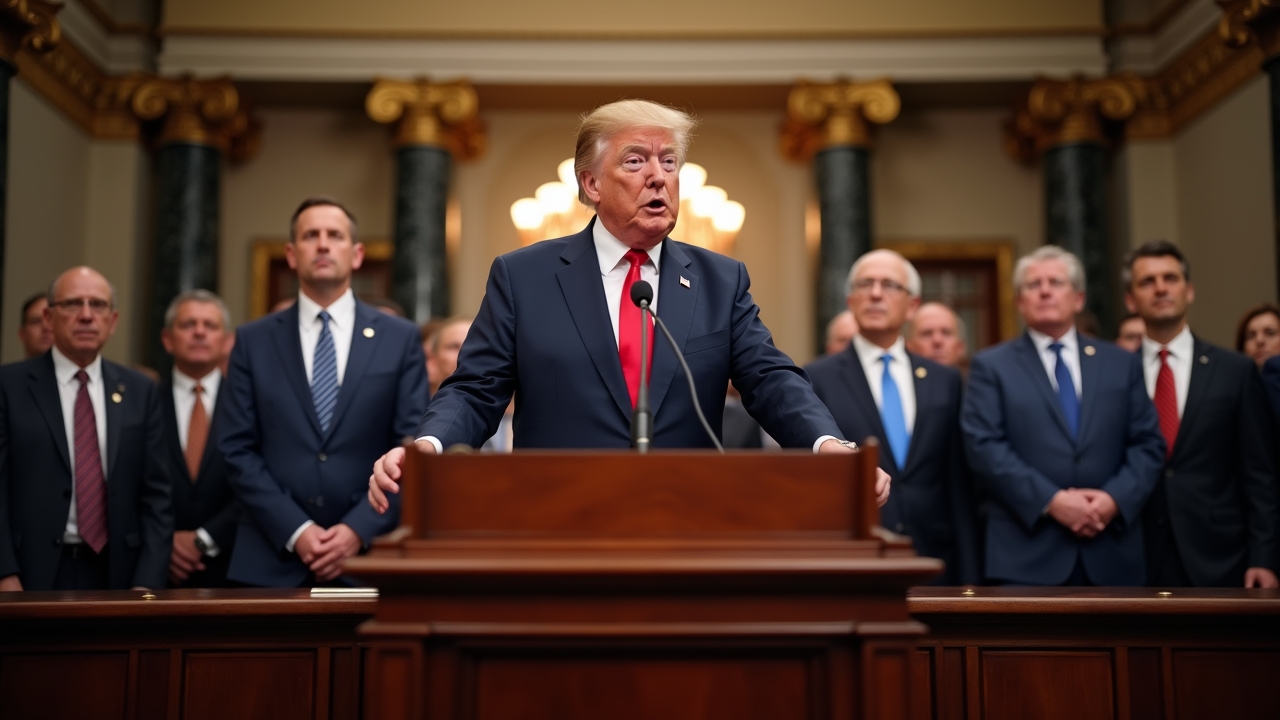
The recent passage of a stopgap spending bill by the Senate reveals the complex dynamics of congressional negotiations as lawmakers work to prevent a government shutdown. The measure, designed to keep most federal operations afloat, indicated a willingness to compromise. Yet significant issues remain unresolved, particularly regarding funding for the Department of Homeland Security (DHS).
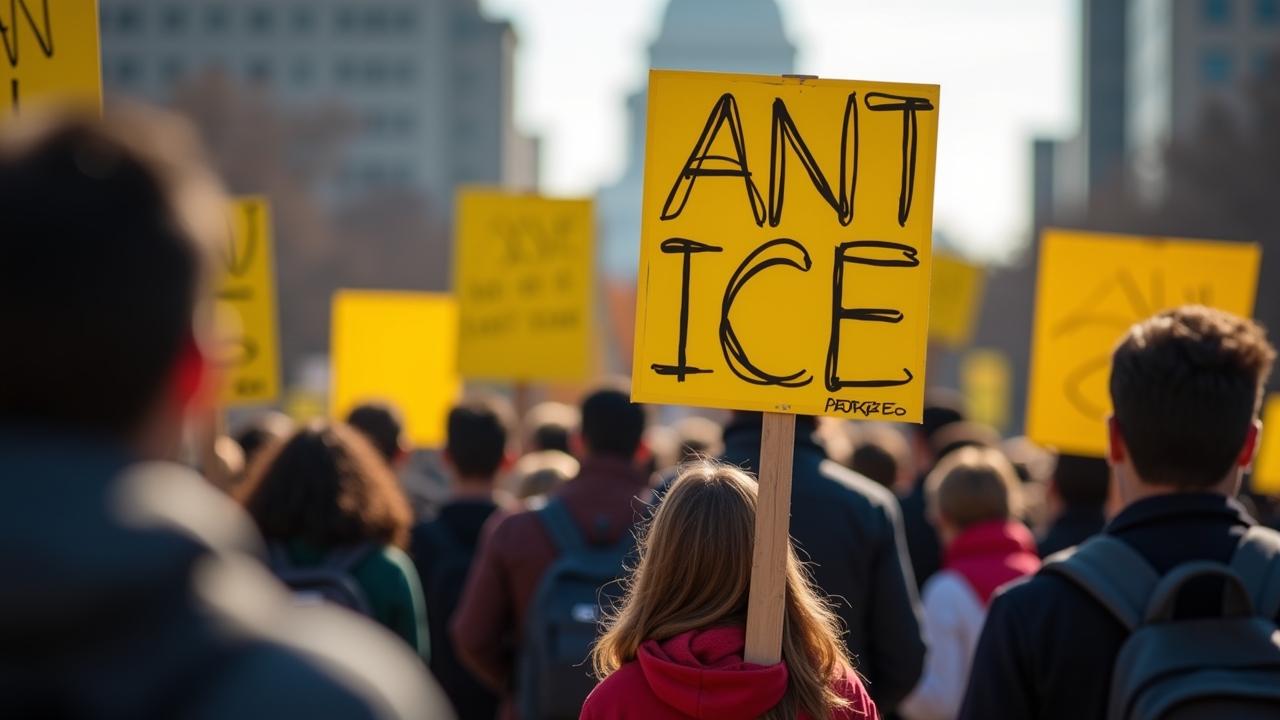
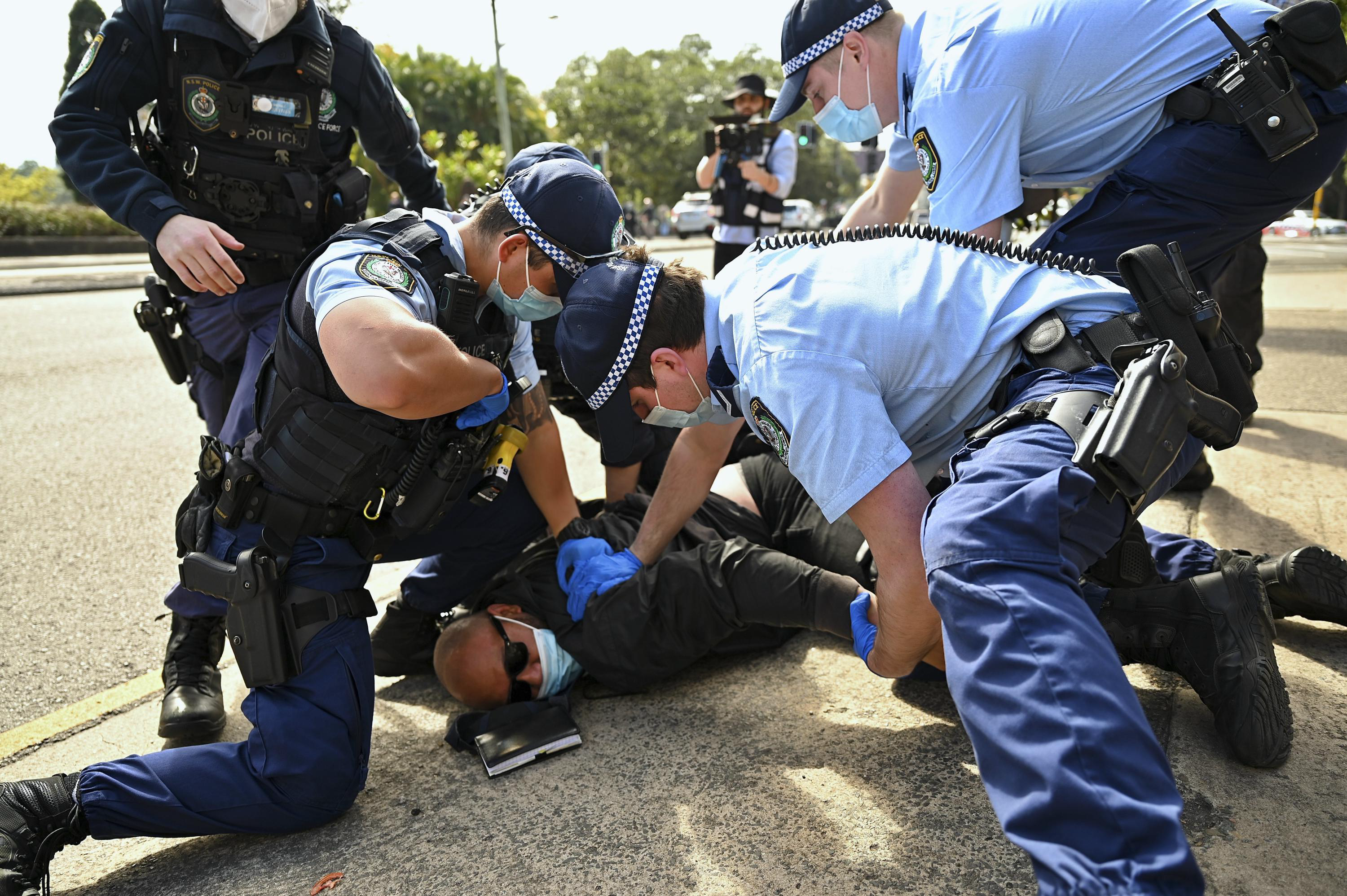
The bill grants only a two-week extension for DHS funding, leaving a major national security issue suspended. This demonstrates the ongoing struggle over immigration enforcement, where funding for Immigration and Customs Enforcement (ICE) has become a contentious point. Senate Democrats have linked DHS funding to demands for reforms in how ICE conducts its operations, particularly following recent tragic incidents involving fatal encounters with federal agents.
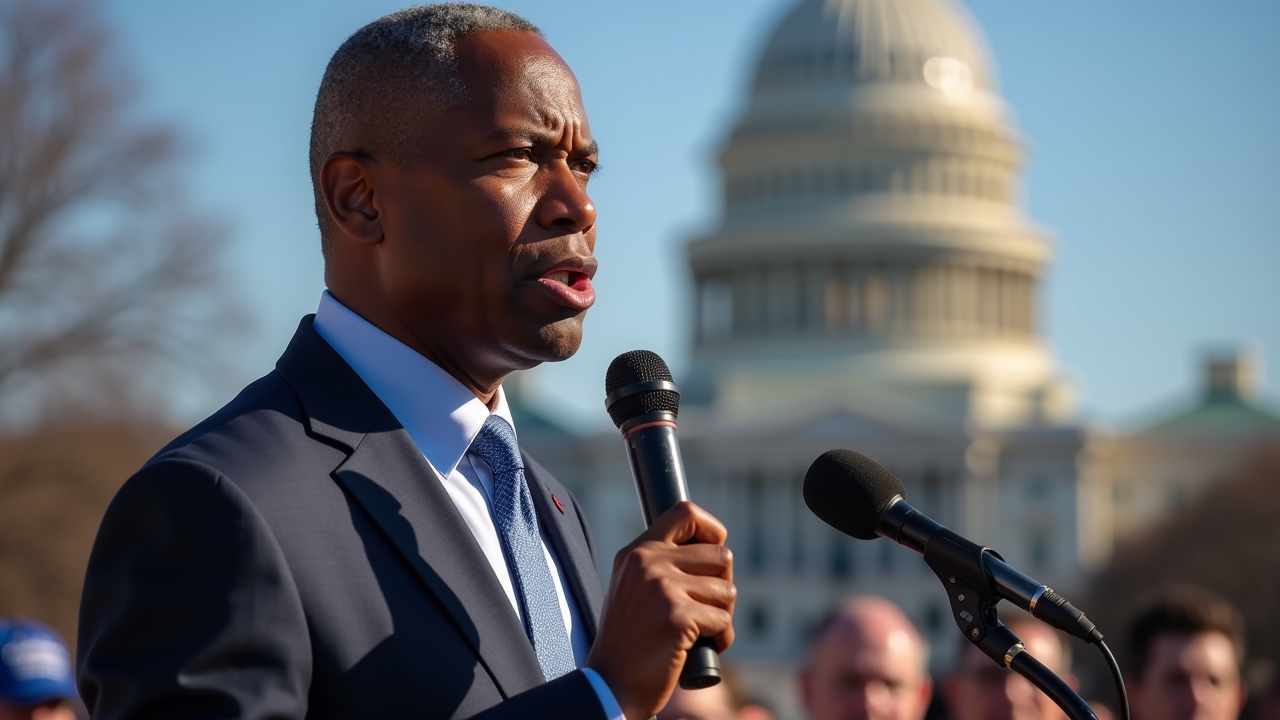
Chuck Schumer, the Senate Minority Leader, has been vocal about the need for changes. His call for reforms—a requirement for body cameras and stricter use-of-force guidelines—reflects a pressing concern about accountability in law enforcement. Schumer asserted, “Until ICE is properly reined in and overhauled legislatively, the DHS funding bill doesn’t have the votes to pass.” His stance underscores the urgency for reforms in light of public sentiment surrounding law enforcement practices.
The reaction from many Republicans paints a different picture. They view the Democratic stance as an effort to “hold ICE funding hostage,” aiming to politicize law enforcement instead of finding a constructive solution. They argue that these demands reflect a selective use of emotional incidents to push an agenda. Senator Lindsey Graham emphasized this side of the debate, noting, “From a Republican point of view, the cops need us right now.” His concern highlights the delicate balance Republicans believe is necessary to support law enforcement while acknowledging the need for reform.
This partisan divide indicates a deeper conflict over the role and accountability of federal law enforcement agencies. While Democrats push for reforms in light of tragedies, Republicans caution against hasty changes driven by such incidents without full investigations. This rivalry plays into broader themes of government oversight and public trust, with both sides unwilling to back down from their positions.
The procedural setbacks earlier in the week hint at the challenges of bipartisan cooperation in a polarized environment. The Senate’s failure to pass an initial six-bill package was a stark reminder of these tensions. Senate Majority Leader John Thune acknowledged the difficulties, stating, “We got snags on both sides,” yet remained hopeful that compromise could be achieved.
As the funding package progresses to the House, the clock is ticking. House Speaker Mike Johnson has indicated that any potential short-term lapse in DHS operations could be resolved quickly. However, the looming threat of insufficient funding highlights the critical importance of legislative efficiency. Congressional Budget Office projections indicate that repeated use of short-term measures could cost billions due to inefficiency and poor planning—an issue that weighs heavily on lawmakers tasked with balancing immediate needs against longer-term stability.
Moreover, the historical context cannot be ignored—previous shutdowns have had significant economic costs. The last extended shutdown in late 2023 lasted 43 days and had a staggering price tag of roughly $31 billion on the U.S. economy. Past experiences like these cast a shadow over current negotiations; politicians remain keenly aware that the public often holds them accountable for government disruptions.
Financial analyst Daniel Varroney emphasized the real-world implications of short-term funding, stating, “You can’t plan procurement, staffing, or operations effectively two weeks at a time.” This comment resonates through the corridors of Congress, where the demand for stability clashes with the political maneuvering over reform agendas.
In conclusion, while the Senate has temporarily sidestepped a government shutdown, the underlying issues surrounding DHS funding and immigration enforcement continue to linger. The political landscape remains charged, with both sides of the aisle firmly entrenched in their positions. As the clock counts down, it is clear that the debate over funding and the oversight of law enforcement is far from over. The resolution will require more than just a stopgap measure; it will need substantial dialogue and, above all, a willingness to navigate the challenging waters of bipartisan agreement.
"*" indicates required fields









.png)






.jpg)



 English (US) ·
  French (CA) ·