

.jpg) 5 months ago
105
5 months ago
105
PROTECT YOUR DNA WITH QUANTUM TECHNOLOGY
Orgo-Life the new way to the future Advertising by AdpathwayOur editors curate highly rated brands that are first assessed by our rigorous ratings system. Buying through our links may earn us a commission—supporting the work we do. Learn more.
Nike is one of the world’s biggest sportswear brands, and one of the most-searched in the Good On You directory. But is Nike ethical? Our research says the brand has a way to go.
In this article, we dive into Nike’s “It’s a Start” rating, which was published in January 2026 and may not reflect claims the brand has made since then. Our ratings analysts are constantly rerating the thousands of brands you can check on our directory.
What’s going on behind the Swoosh
Though it seems everybody has at least one pair of Nikes, that popularity has come in spite of a lot of ethical concerns raised throughout the brand’s history. While Nike is known for its inspiring advertising that reflects the diversity of people in sports, the Just Do It brand has also come under fire in the past for links to sweatshops and unethical manufacturing.
So how does this brand rate today when it comes to its treatment of people, the planet, and animals? How ethical and sustainable is activewear brand Nike? Here’s what Good On You’s analysts found in their recent re-rating.
Nike sweatshops and its brand image
Nike had been accused of using sweatshops to produce its sneakers and activewear since the 1970s. It’s such a well known issue that the subject even has its own Wikipedia page. In the early 1990s, a report and article in Harper’s Magazine by activist Jeffrey Ballinger detailed the low wages and poor working conditions in Nike’s Indonesian factories. Soon after, the brand came under fire and became the subject of a sustained campaign by United Students Against Sweatshops.
Nike was initially slow to respond, but under increasing pressure, it made some changes by improving its monitoring efforts, raising the minimum age of workers, and increasing factory audits.
The brand’s slow response back then was, unfortunately, an indicator of things to come: Nike has shown over again that it must be pushed before it responds to ethical issues meaningfully. A case in point? Its recent compensation of around 3,300 workers at Thai supplier factory Hong Seng Knitting, who were allegedly pressured into taking unpaid leave during the Covid 19 pandemic. It took five long years of pressure from organisations—including the Clean Clothes Campaign, Fair Labor Association, Worker Rights Consortium, and Partners for Dignity and Rights—before the brand committed to take action.
So, what are the improvements that Nike has made since it was first called out for labour exploitation in the 1990s? And with so many products in its stores and webshop, is it taking responsibility for their life cycles and minimising textile waste? Let’s find out.
Environmental impact
We rate Nike “It’s a Start” for the planet, which hasn’t changed in our most recent review.
Nike uses some lower-impact materials, but it doesn’t publish an aggregate breakdown of materials used. Not having that breakdown can open the door to greenwashing on the true proportion of lower impact fibres in a brand’s overall mix.
Nike has set a science-based target to reduce greenhouse gas emissions generated from its operations and supply chain, but it hasn’t shared evidence to say whether it is on track to meet that target.
Nike does have some circularity initiatives to help reduce waste, including its Re-Creation product upcycling programme and another that works to refresh unsold “imperfect” sneakers (ie factory seconds or tarnished customer returns) and sell them as “Refurbished”. But the scale of these efforts isn’t clear, and much like the fibre breakdown, if there’s no data on the implementation of such initiatives, it’s hard to say whether they’re meaningfully contributing to reducing a brand’s overall impact.
Labour conditions
Nike’s labour rating has declined since we last rated the brand, and it’s now “Not Good Enough”.
In 2017, Nike took a big step backwards, as the International Labor Rights Forum reported that the company had turned its back on its commitment to the Worker Rights Consortium (WRC). This move effectively blocked labour rights experts from independently monitoring Nike’s supplier factories.
The brand still hasn’t signed the International Accord for Health and Safety in the Textile and Garment Industry, an important initiative to improve factory safety that was introduced after the death of more than 1,000 garment workers in the Rana Plaza factory collapse. Even its main competitor Adidas has signed. There is little excuse for not taking steps to help ensure the safety of the people who make Nike’s clothes.
Nike does audit some of its supply chain including all the final production stage, but this is the easiest stage to audit, and far more work needs to be done to help prevent exploitation right down to the raw materials stage.
The 2018 Foul Play report by the Clean Clothes Campaign and Collectif Ethique sur l’Etiquette showed just how far Nike has to go when it comes to living wages. It highlighted the difference between the ever-increasing amount of money paid on sponsorships to sports stars and other marketing expenses, compared to the reduction of the share of the final price of your sports gear paid to workers in the supply chain. The report called on Nike to commit to paying living wages across its supply chains.
Eight years later, Nike still hasn’t implemented this across its whole supply chain. To date, Nike has at least adopted a living wage definition and methodology consistent with the Global Living Wage Coalition, and it ensures payment of a living wage in some of the final production stage. Nike is consistently caught up in allegations on the matter of living wages and workers’ pay. Most recently, it has been accused of shifting its production in Indonesia to regions where the minimum wage is lower in order to reduce labour costs, according to an investigation by ProPublica and The Oregonian.
For a brand with such massive purchasing power and production scales, all this just isn’t good enough. The brand should be engaging with its suppliers to ensure long-term financial security for all workers.
And what about diversity and inclusion? Arguably Nike’s biggest focus for marketing itself as a brand that does good. It has a basic policy to support diversity and inclusion in both its direct operations and supply chain, but according to the Business of Fashion, the brand backtracked recently, not publishing a 2025 impact report and walking back its Black History Month and Pride collections.
Animal welfare
Nike uses wool, leather, down, shearling, and angora. And while some of its animal-derived materials consist of recycled or certified alternatives to conventional leather and wool, this isn’t going far enough because, again, the brand’s large-scale production still contributes to a demand for virgin animal fibres. Because of this, it rates “Not Good Enough” for animal welfare, something that, unfortunately, has not changed for years.
Overall rating: ‘It’s a Start’
So, how sustainable is Nike? Overall, we rate Nike “It’s a Start” based on information from our own research.
Though Nike has a few promising measures in place, this massive global company is a leader in consumer and popular culture and therefore has a responsibility to lead by example. Labour exploitation has been Nike’s most consistent point of controversy for more than 35 years, and it’s time the brand committed to eliminating it throughout its entire supply chain. It must take the matter of paying living wages to everyone in its supply chain more seriously. In fact, it needs to do better in most areas.
Good On You ratings consider hundreds of issues, and it is not possible to list every relevant issue in a summary of the brand’s performance. For more information, see our How We Rate page and our FAQs.
Good swaps
If you love the Nike vibe but prefer to support brands doing “Good” or “Great”, we’ve rounded up some more sustainable alternatives to Nike for you below.
Tripulse
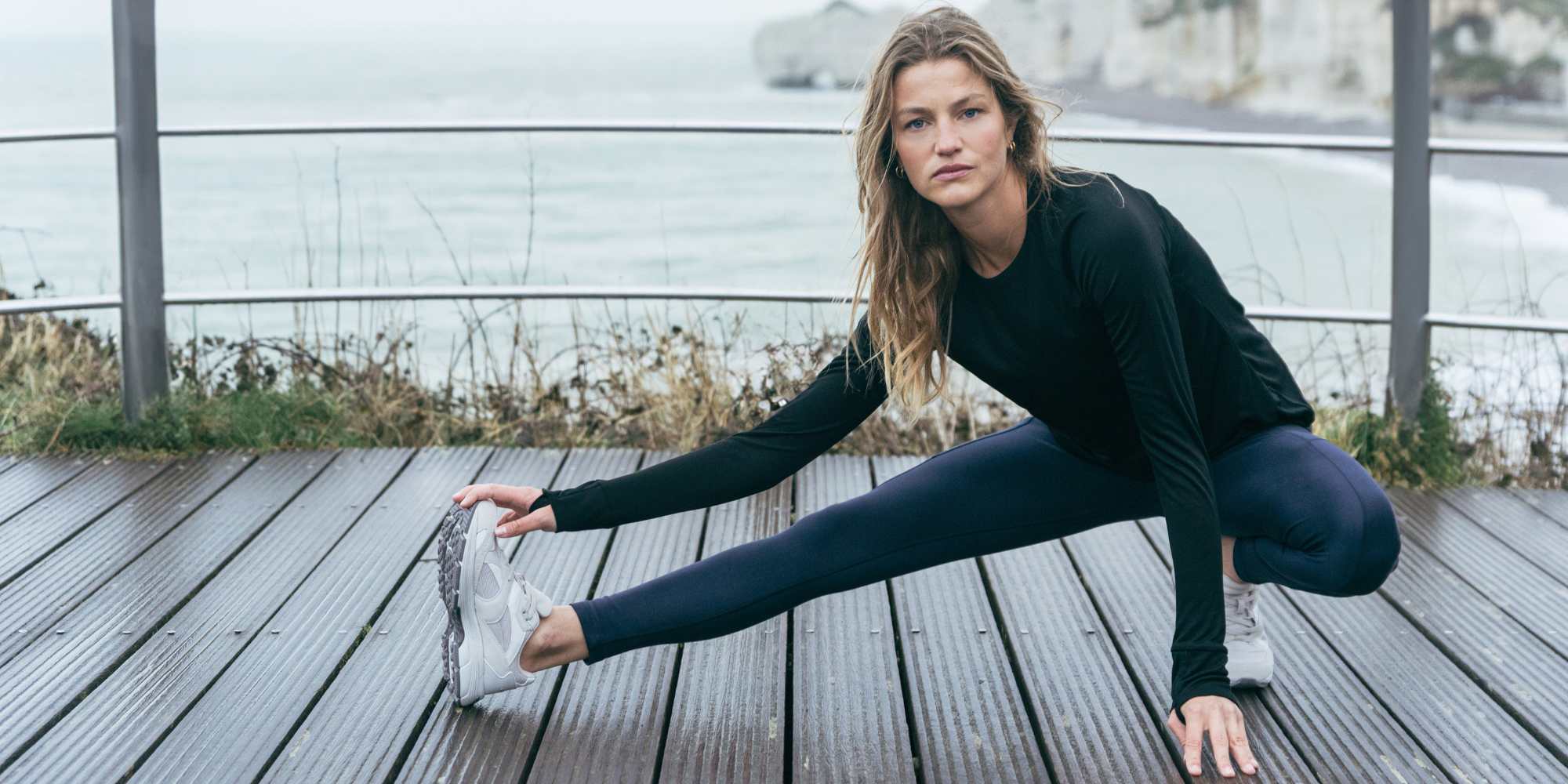
Tripulse is a Swedish activewear brand on a mission to create high performing activewear that protects our planet and its people. The brand believes that fitness, both physical and mental, is the foundation for a good and healthy life and gives people the courage to live the life they dreamed of, become their best selves, make bold moves, and change the world for the better.
Find most items in sizes XS-6XL.
BAM
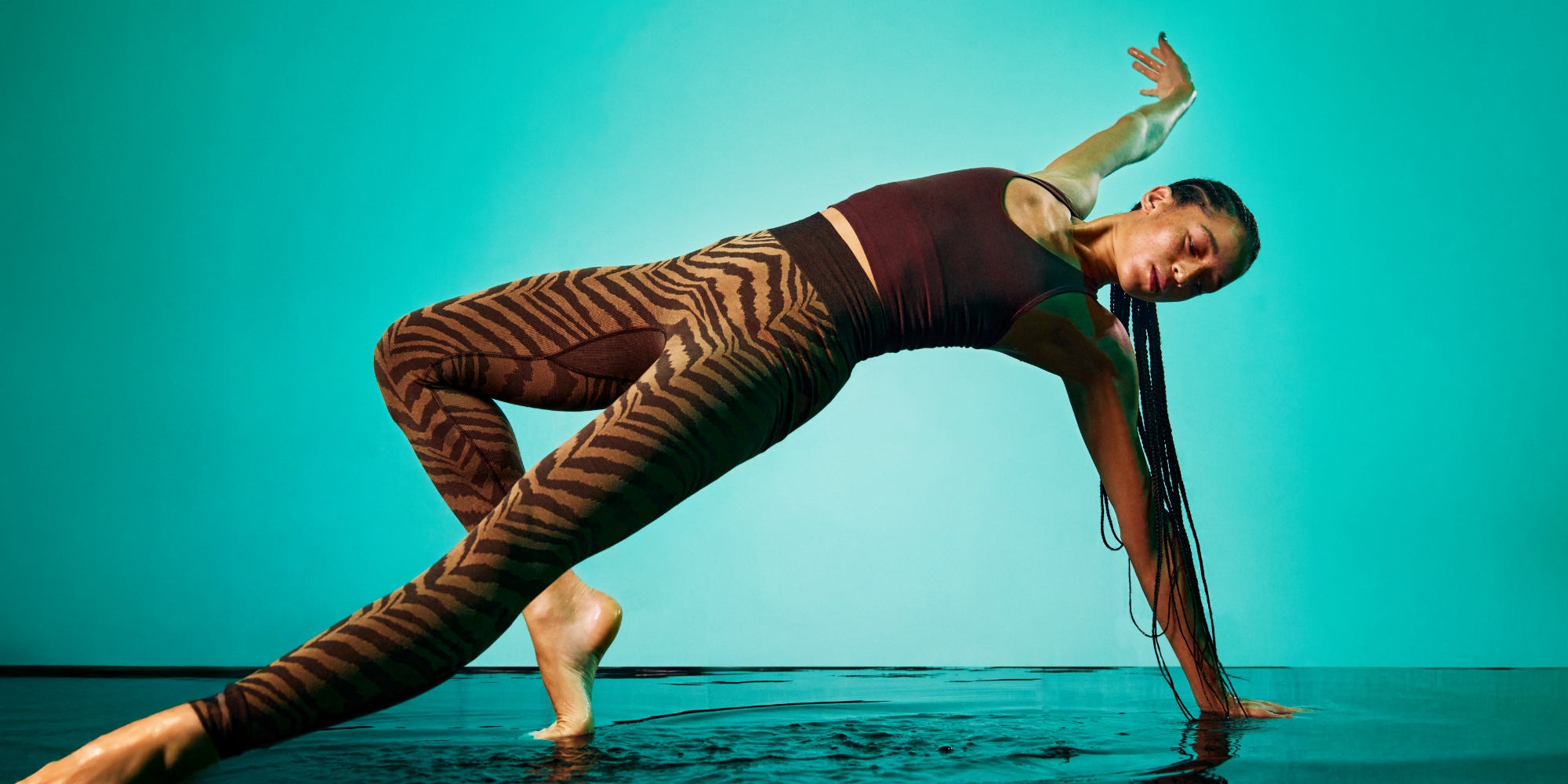
UK-based BAM makes womenswear and menswear basics from bamboo, and rates “Good” for people, the planet, and animals. In line with their kindness-first ethos, the brand traces most of its supply chain and also offers clothing recycling to consumers to help address end-of-life textile waste.
Find most items in sizes XS-L.
Flamingos’ Life
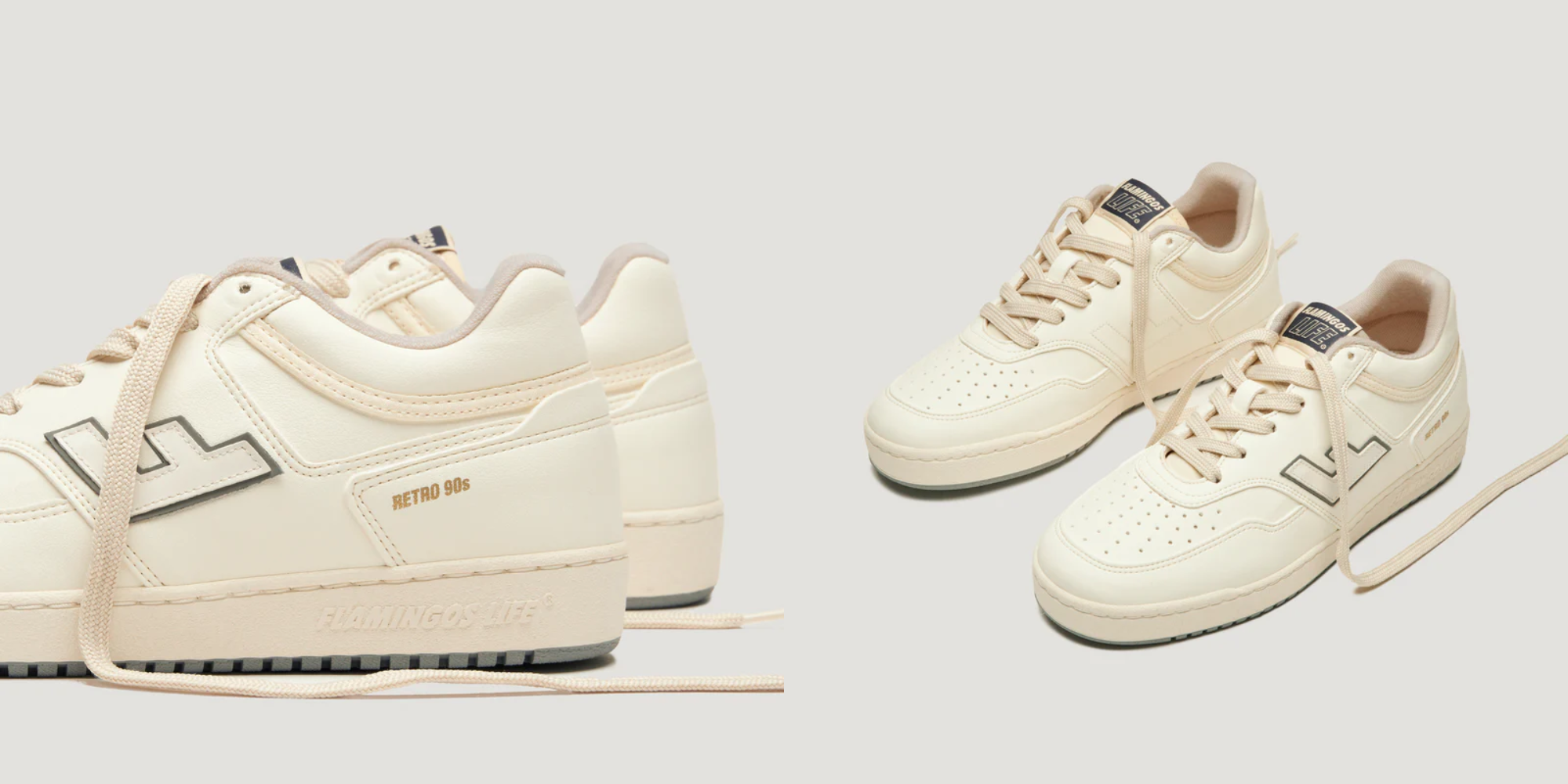
Flamingos’ Life creates sneakers that are free from animal-derived materials for everyone. The brand uses lower-impact and PETA approved vegan materials, including upcycled materials.
Find the range in sizes 36-46.
Agazi
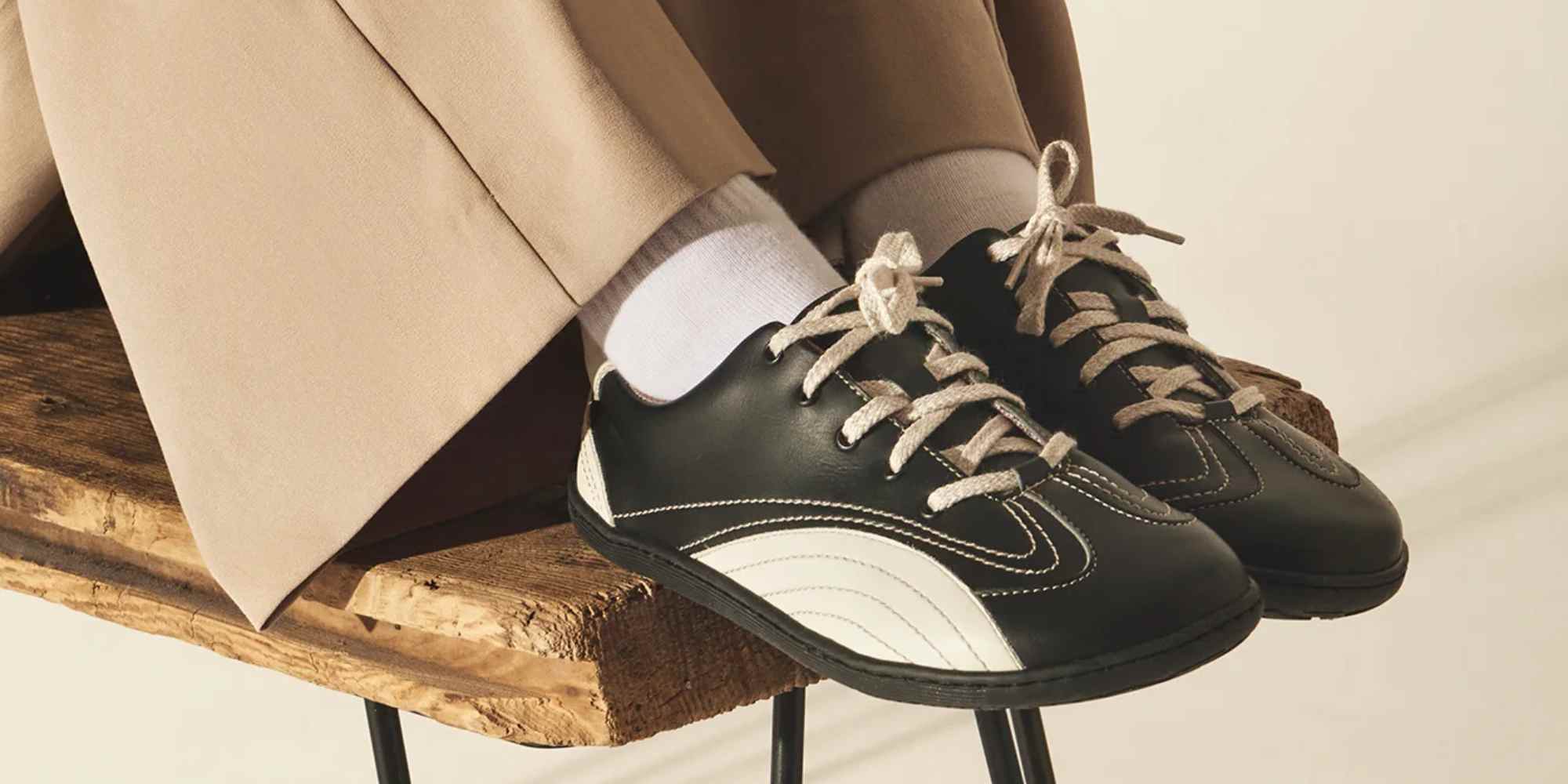
Agazi is a vegan footwear brand from Poland. Its range spans sneakers, sandals, heels, and flat shoes, all made using non-animal-derived materials including hemp and apple skin and grape-based alternative leathers.
Ucon Acrobatics
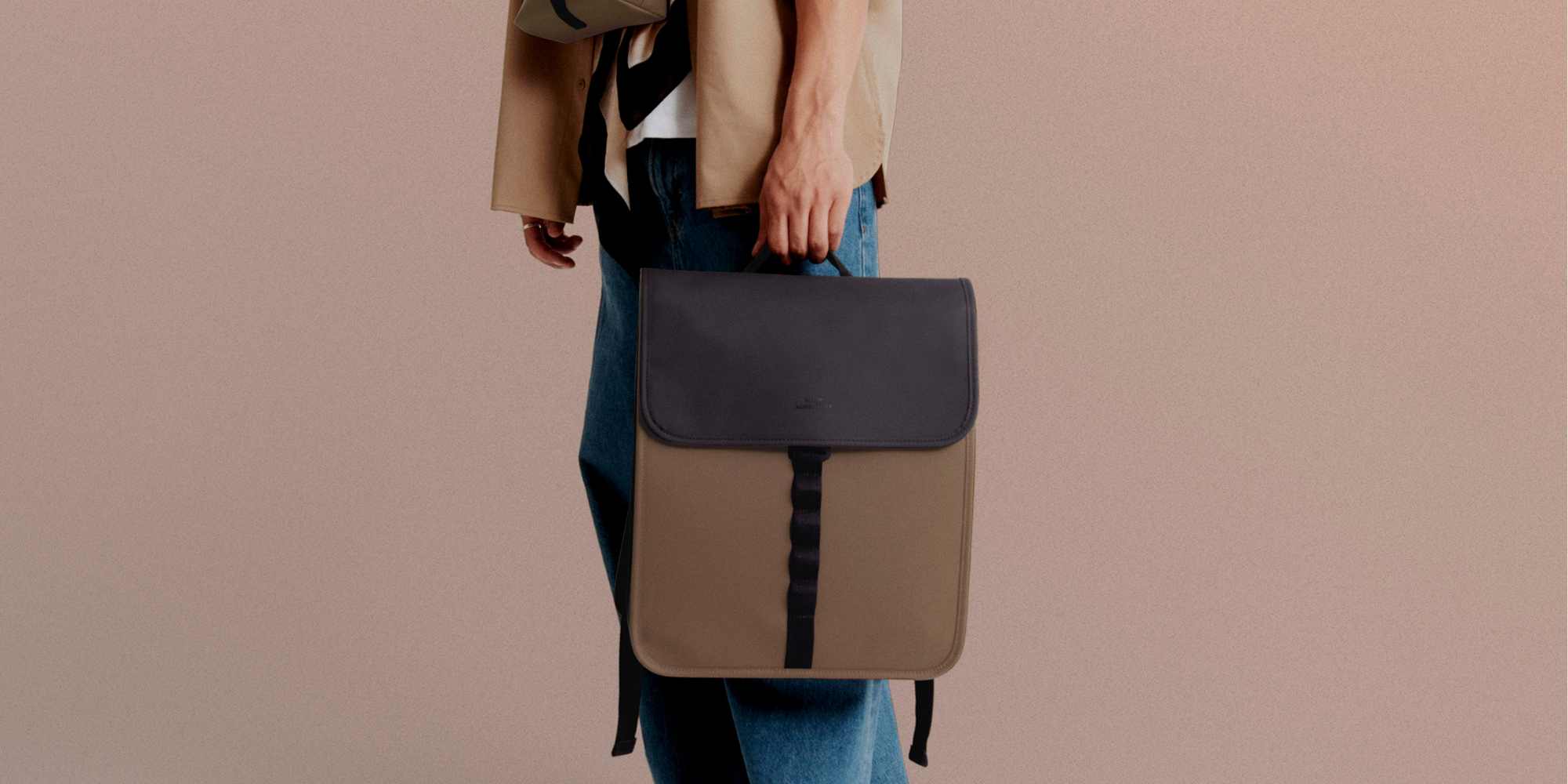
Ucon Acrobatics strongly believes in the idea of innovative, functional, and minimalistic products for creative consumers. It makes products with a high proportion of eco-friendly materials including organic cotton, and uses renewable energy in its direct operations to reduce its climate impact, while also ensuring payment of a living wage at the final stage of production.
Discover more ethical and sustainable activewear brands
We love these more sustainable brands listed above, but they may not meet your specific needs right now. Maybe they’re out of your price range, or don’t stock your size. If you really need something and a product from Nike is the best option, then consider seeking secondhand options from resale platforms or local thrift stores.
You can also reach out to brands who you think need a little nudge in the right direction. If enough customers demand change, brands that truly care about their impact will have no choice but to respond in kind. Check out the “Your Voice” function on the app or slide into their DMs on social media to let them know what you think.
Editor's note
Feature image via Unsplash, all other images via brands mentioned. Good On You publishes the world’s most comprehensive ratings of fashion brands’ impact on people, the planet, and animals. Use our directory to search thousands of rated brands.
We updated this article on 17 March 2026. Our editors frequently make updates to articles to ensure they’re up to date. We updated this article and sources to reflect the most recent rating review.








.png)




.jpg)


 English (US) ·
  French (CA) ·