

.jpg) 1 day ago
16
1 day ago
16
PROTECT YOUR DNA WITH QUANTUM TECHNOLOGY
Orgo-Life the new way to the future Advertising by AdpathwayOur editors curate highly rated brands that are first assessed by our rigorous ratings system. Buying through our links may earn us a commission—supporting the work we do. Learn more.
From barrel jeans to straight leg and oversized cuts, denim trends come and go. But the material, and jeans as a garment, are enduring in fashion. The twill weave will withstand plenty of wear, and a well-fitting pair can stay in your wardrobe for years. Still, as with any material, there are sustainability issues to consider including dyeing, resource use, and circular design. Read on to learn more and meet the denim brands being transparent about their impact.
Denim—from workwear to fashion trend
Jeans were originally made for workers who needed something hardy to stand up to the wear and tear of manual labour, so longevity—a key aspect of sustainable design—has long been at the heart of this popular garment. Levi Strauss, owner of a wholesale fabric house in San Francisco, and tailor Jacob Davis solidified that when they added pockets and rivets to the garment and patented the design in 1873, making the style even more resilient to intense use. Some of these early pairs survive today.
But fast forward to 2026 and a new denim style is on the runways every season—whether it’s a new cut, like the barrel, balloon, or bootcut leg, or intentionally distressed denim to resemble the wear and tear that older pairs would’ve gathered over time. Either way, many of these new garments aren’t designed to last a lifetime like the early workwear pairs were. Instead, they’re a stopgap to the next trend cycle.
How sustainable is modern denim?
Denim’s sustainability is often quantified by a much-cited statistic on how many litres of water it takes to produce a single pair of jeans. The problem is that the number is old and difficult to find the original source for, so is unreliable as fact. And it doesn’t consider the other aspects of the garment’s lifecycle, like how workers in the supply chain are treated, or how easily the item can be disposed of.
What’s certain is that a lot of energy and water are used in the manufacturing of denim materials and garments. Cotton needs to be grown and irrigated before it’s harvested and transformed into yarn, and then those yarns are dyed, usually with indigo in either synthetic or natural form (the latter requiring significantly more water). Then the yarns are woven on a loom in a twill pattern to create the denim fabric we all know, before being used by manufacturers to cut garment pattern pieces and sew them together to make a pair of jeans, a jacket, dress, and the like.
It’s a lengthy process, and many stages of denim production can have serious social and environmental consequences. From high water usage, dye and water mismanagement leading to sludge-ridden rivers, and serious labour concerns.
And then there are the cotton-blends used for contemporary denim—the ones that give your jeans stretch or make the denim feel extra soft. There are real challenges to recycling fibre blends, so if a pair of blended denim jeans can’t be reused, they’ll likely end up in landfill. Pure cotton options, on the other hand, offer easier recycling, although it’s worth noting that the hardware on denim garments can also pose a challenge to their end-of-life handling.
Denim remains a hardy and reliable material, and, cared for correctly, a quality pair of jeans can still last decades. That’s why we’re encouraging you to look at your next denim investment as a lifetime purchase, and introducing some of the brands working to create great, more sustainable denim clothing.
In North America, for instance, there’s Triarchy (US)—a brand producing what it says is the world’s only plastic-free stretch denim. Further down the guide, from Oceania, check out some classic options from Outland Denim (AU). Meanwhile in the UK, E.L.V Denim is leading the way in localised production and upcycling deadstock denim. Finally, for readers who prefer menswear, ISTO. (Portugal) and ASKET (Sweden) make timeless styles for everyday wear. Skip to your region below.
Triarchy
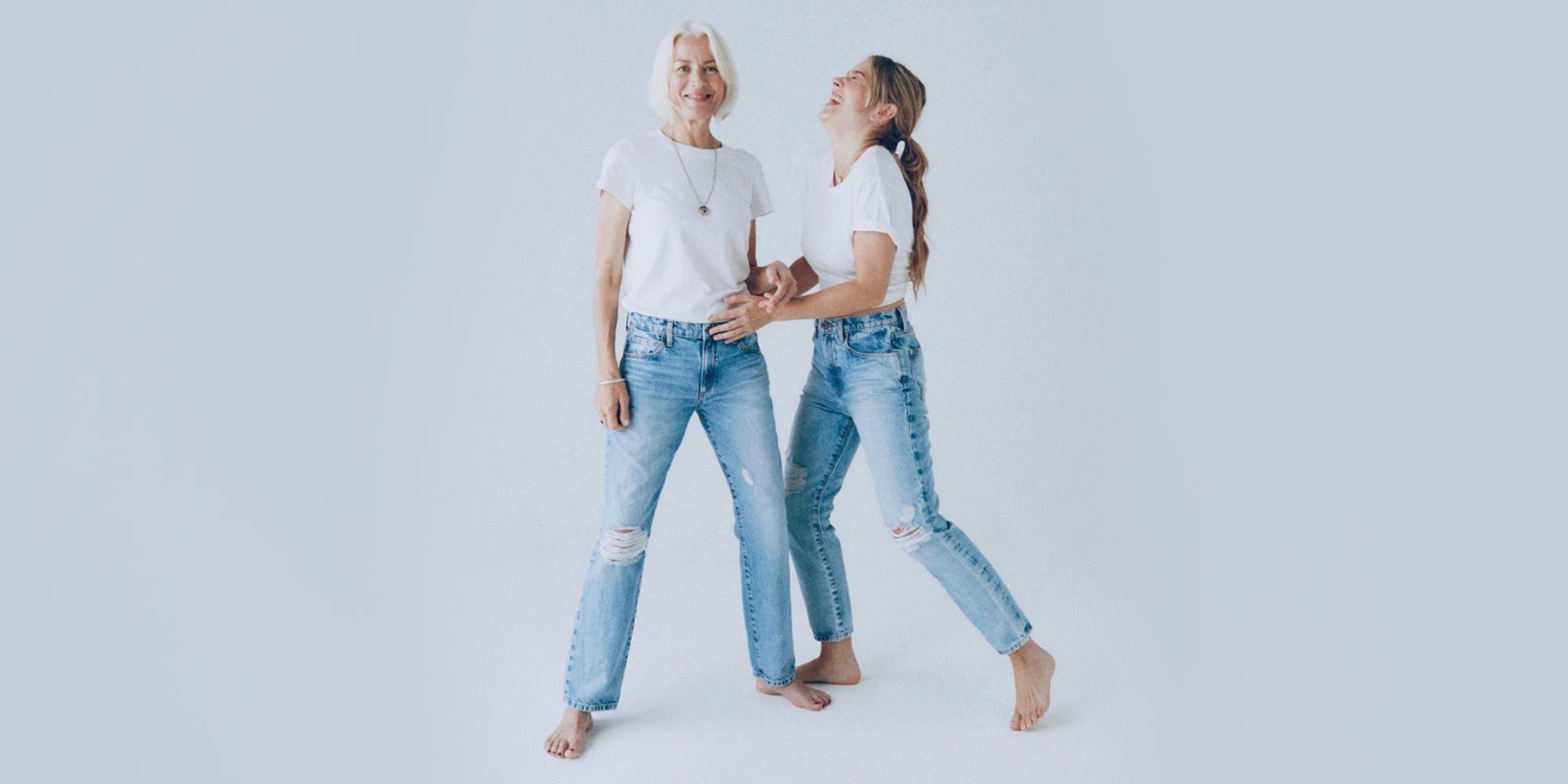
US-based Triarchy creates more sustainable jeans, skirts, shorts, jumpsuits, and jackets. The brand’s production system uses 85% recycled water by consistently reusing the “thick indigo laden sludge” that unmonitored factories dump into water systems.
Find most of the jeans in US sizes 24-32.
Outerknown
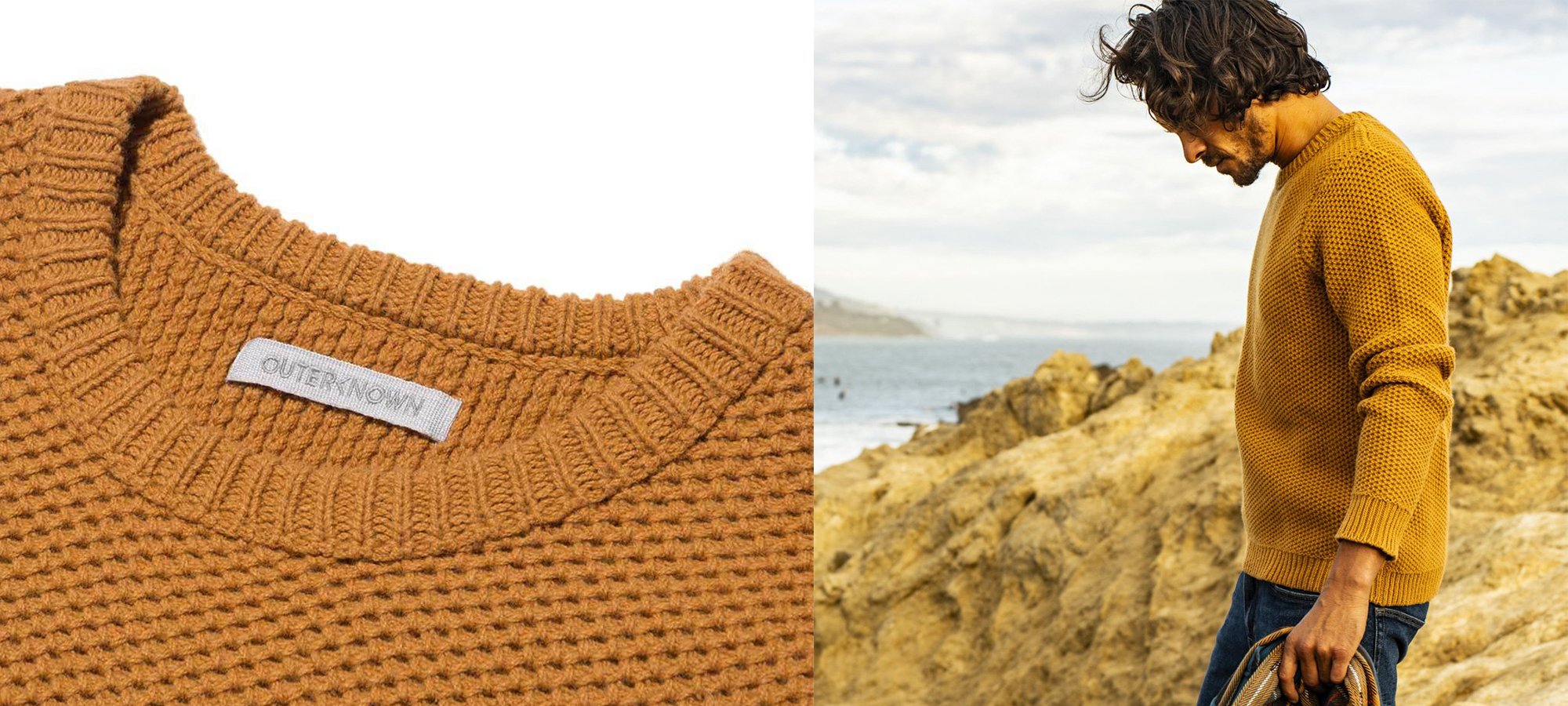
Founded by surf champion Kelly Slater, Outerknown is a more responsible brand that aims to blend style and function with the protection of natural resources. The brand is Bluesign certified and has partnered with the Fair Labour Association.
Find the range in sizes XS-2XL.
4kinship
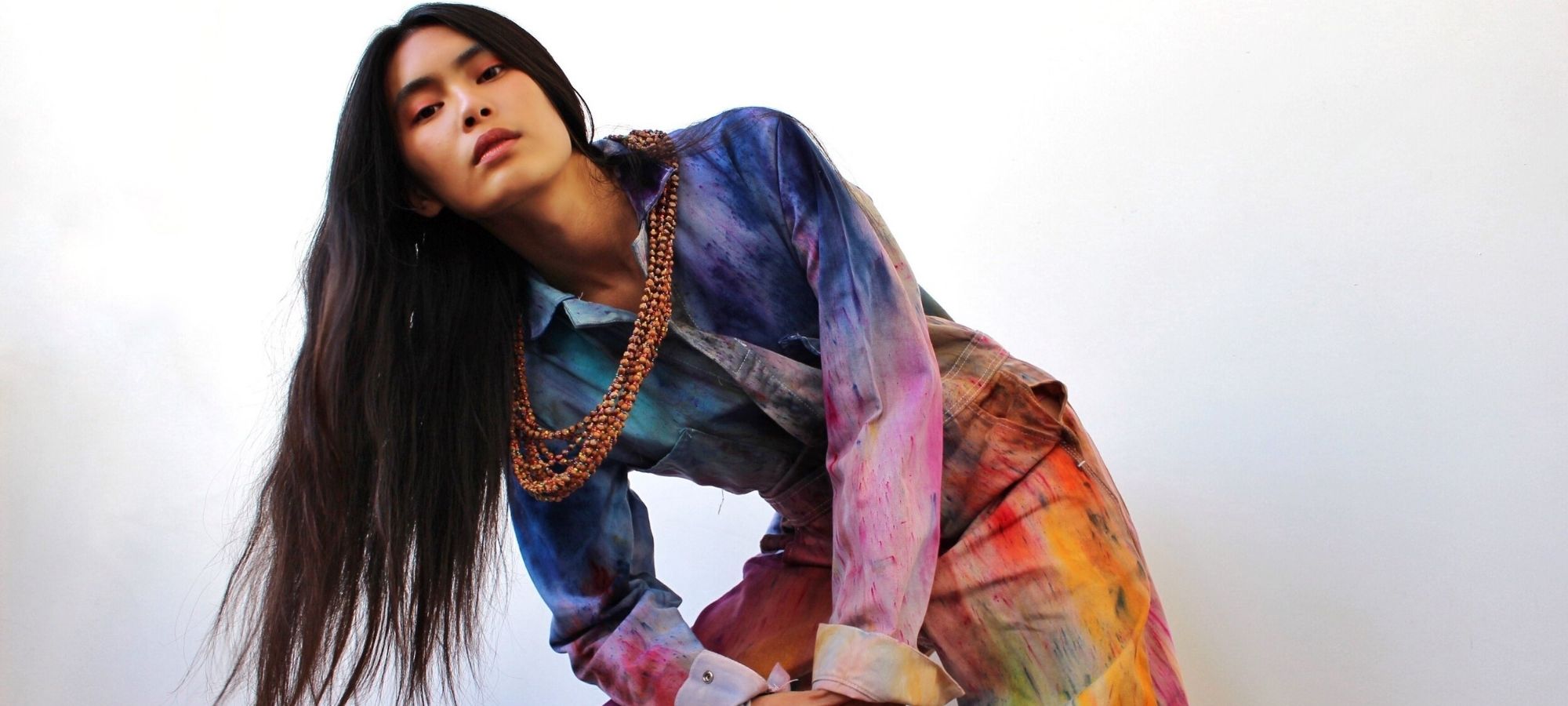
Founded by Amy Denet Deal, a Diné creative, 4kinship produces one-of-a-kind upcycled and restored vintage clothing, as well as new handwoven garments. The brand is focused on community and youth empowerment, and contributes to initiatives like the Diné Skate Garden Project, a space for Navajo youth to gather, create, and heal.
Minimalist
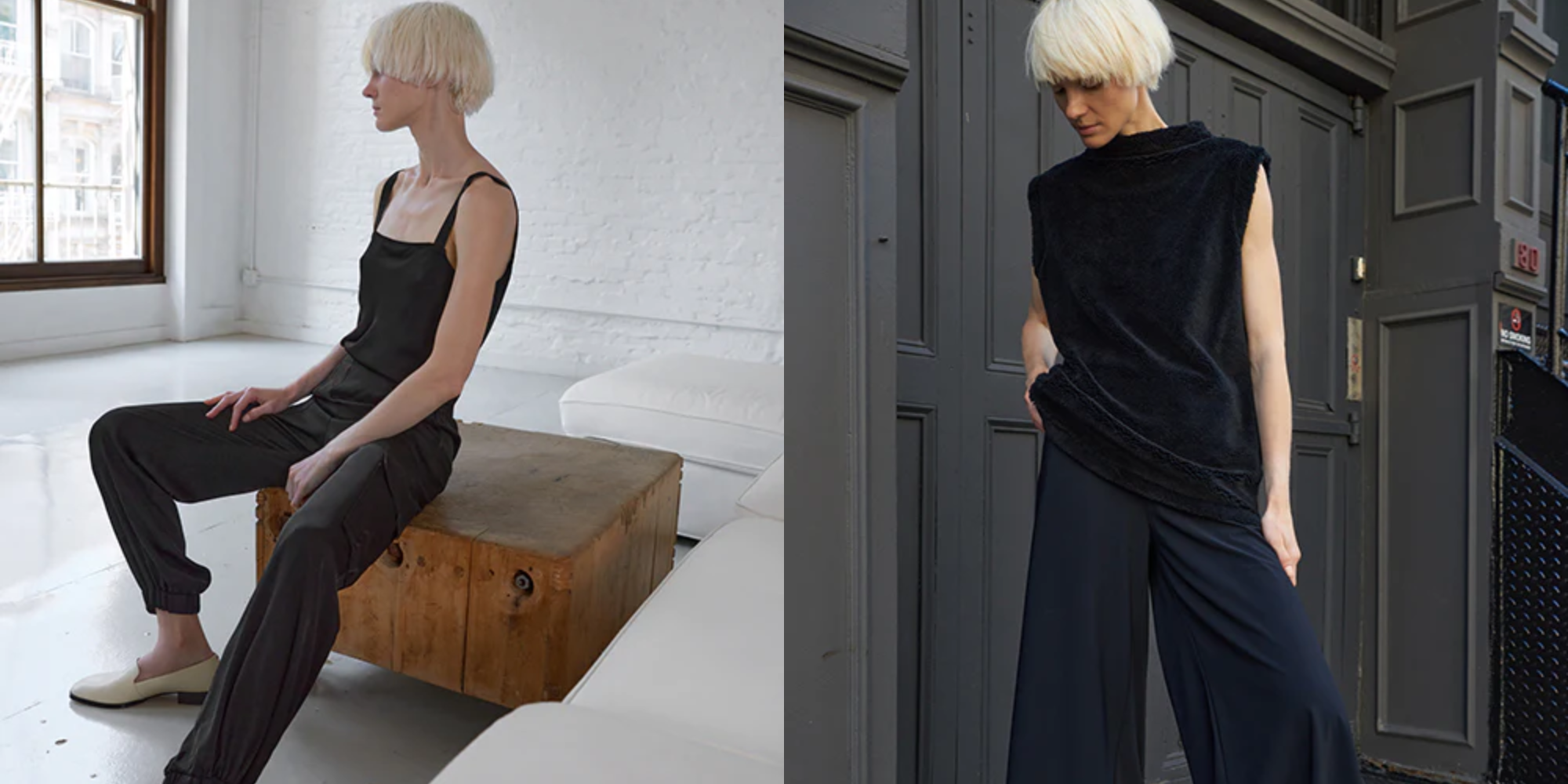
Anchored in timeless design, Minimalist is a curated collection of women’s ready-to-wear pieces all made in New York and designed to be recycled at their end of life. It seeks to be part of the solution to make fashion more sustainable, using certified lower-impact materials and ensuring fair wage and work conditions in the local New York City factories it supports.
Find it in sizes XS-L.
Kotn
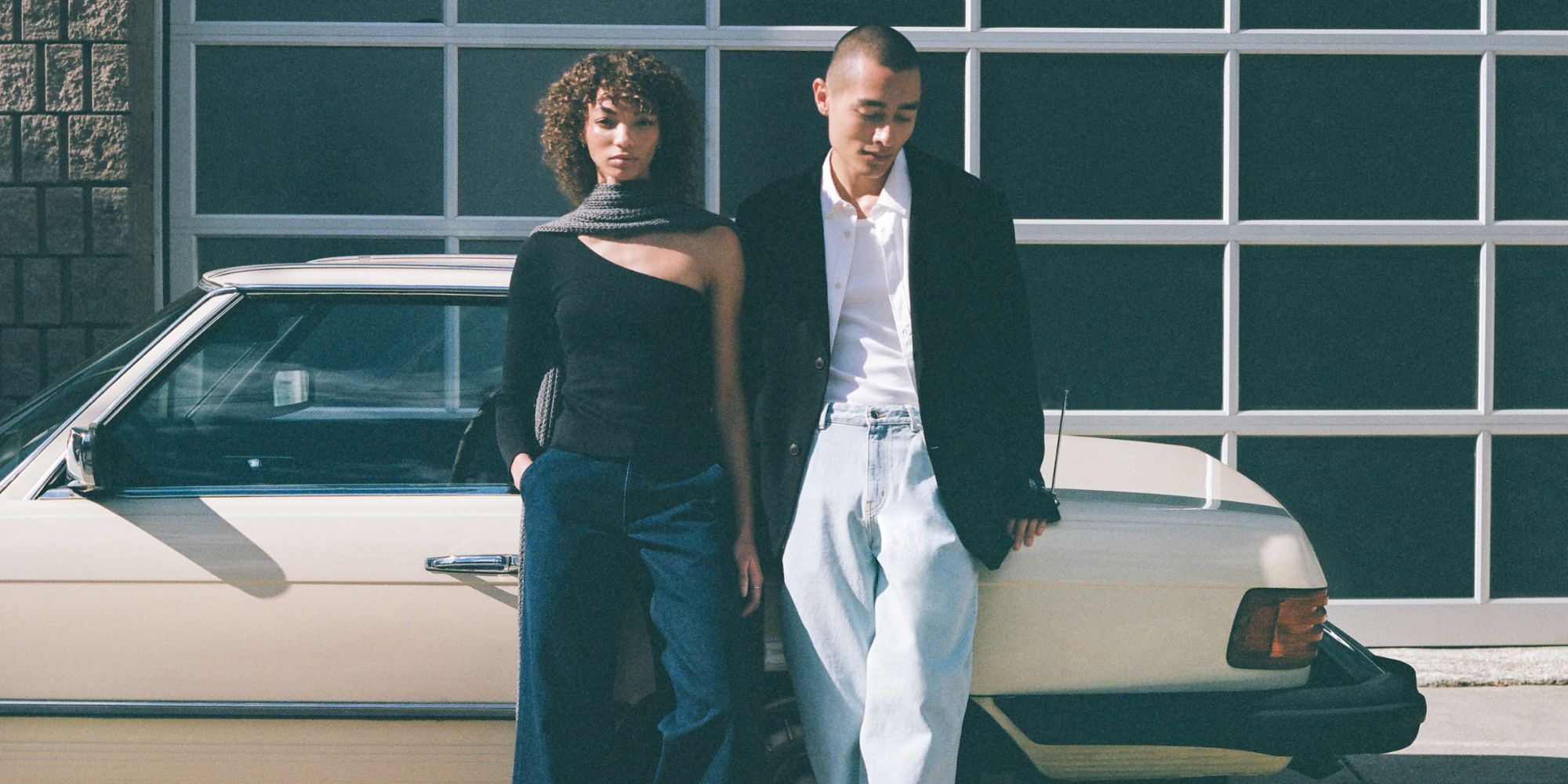
Certified B Corp Kotn is based in Canada and works with local NGOs on the ground at the Nile Delta to provide every child in their farming communities with quality education, and to help close the gap of low literacy rates amongst communities. With every purchase, not only will you get a beautifully made garment, but you’ll also help fund school infrastructure, materials, and salaries for teachers.
Find Kotn in sizes XS-2XL.
Outland Denim
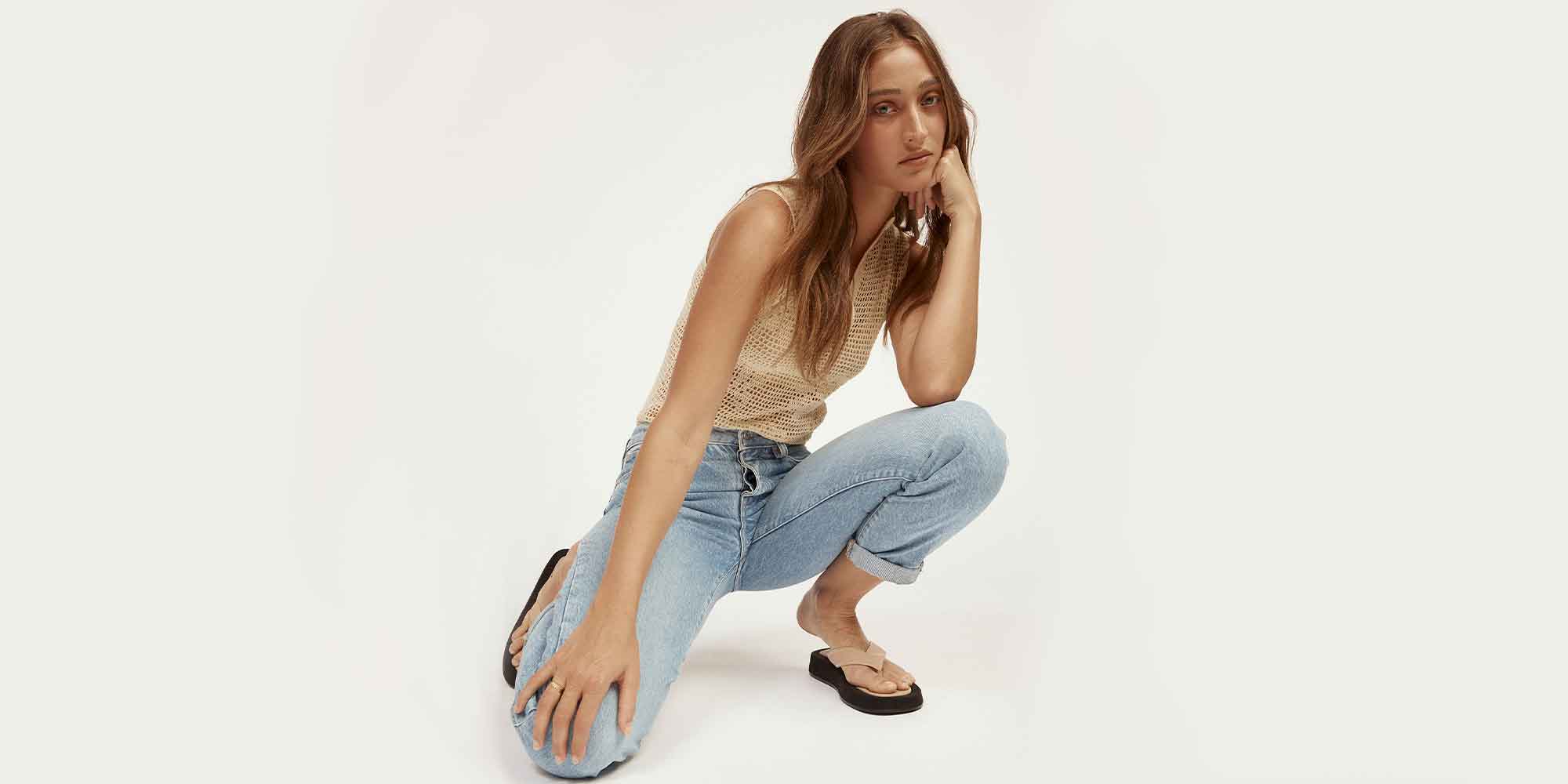
Outland Denim makes premium denim jeans and clothes, and offers employment opportunities for women rescued from human trafficking in Cambodia. This Australian brand was founded as an avenue for the training and employment of women who have experienced sex trafficking.
Find most of the brand’s range in US sizes 22-34.
Kowtow
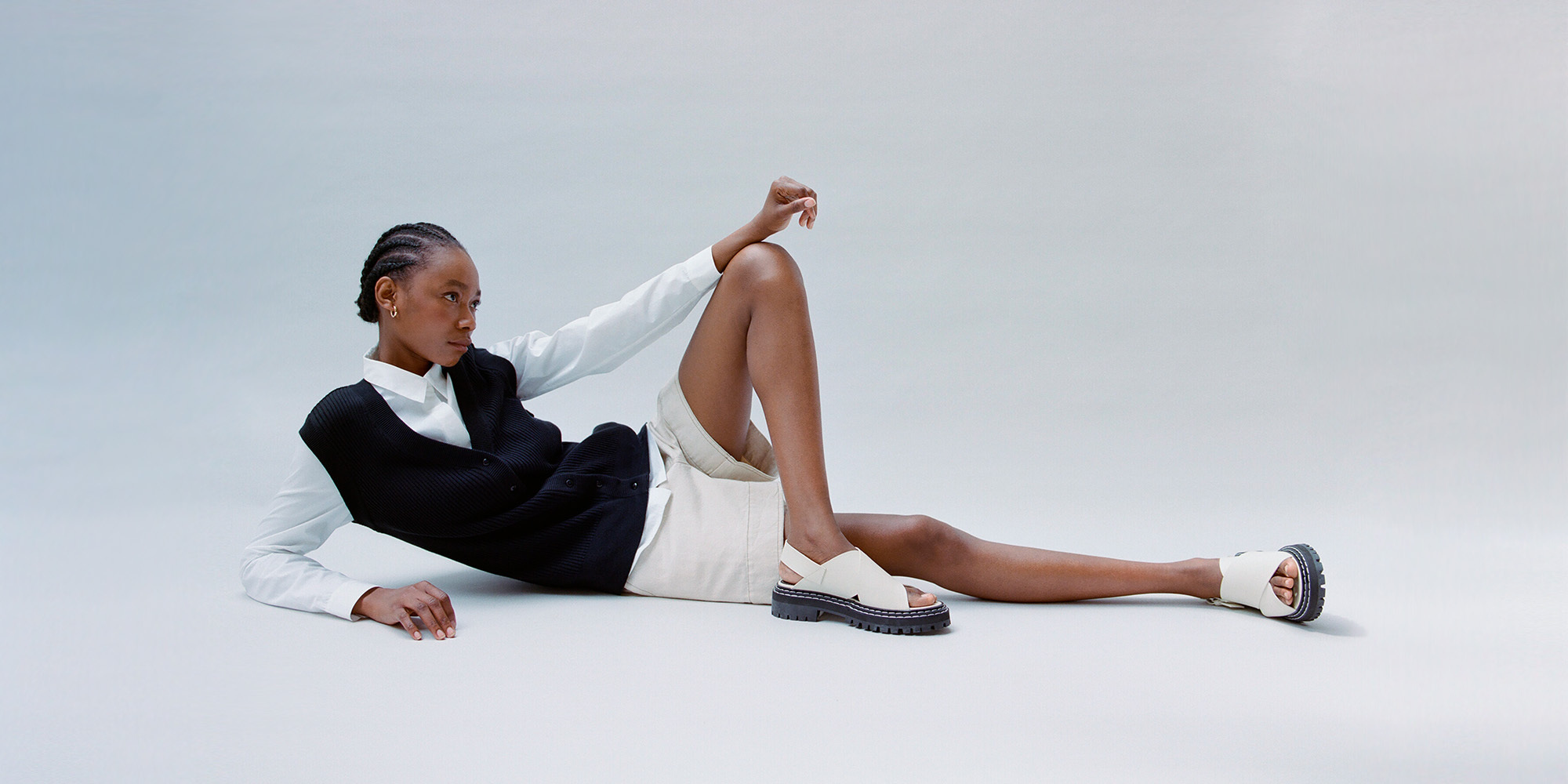
Kowtow is a New Zealand brand that uses organic, fair trade cotton and non-toxic dyes to produce its clothes. It designs elegant, timeless womenswear, and also has a range of ceramics.
Find the clothes in sizes XS-L.
Elk
A pioneer of independent Australian design, Elk was founded in Melbourne in 2004. Elk creates bi-annual collections that are informed by a design ethos where simplicity and sustainability meet innovation.
Find most items in AU sizes 6-18.
Lucy & Yak
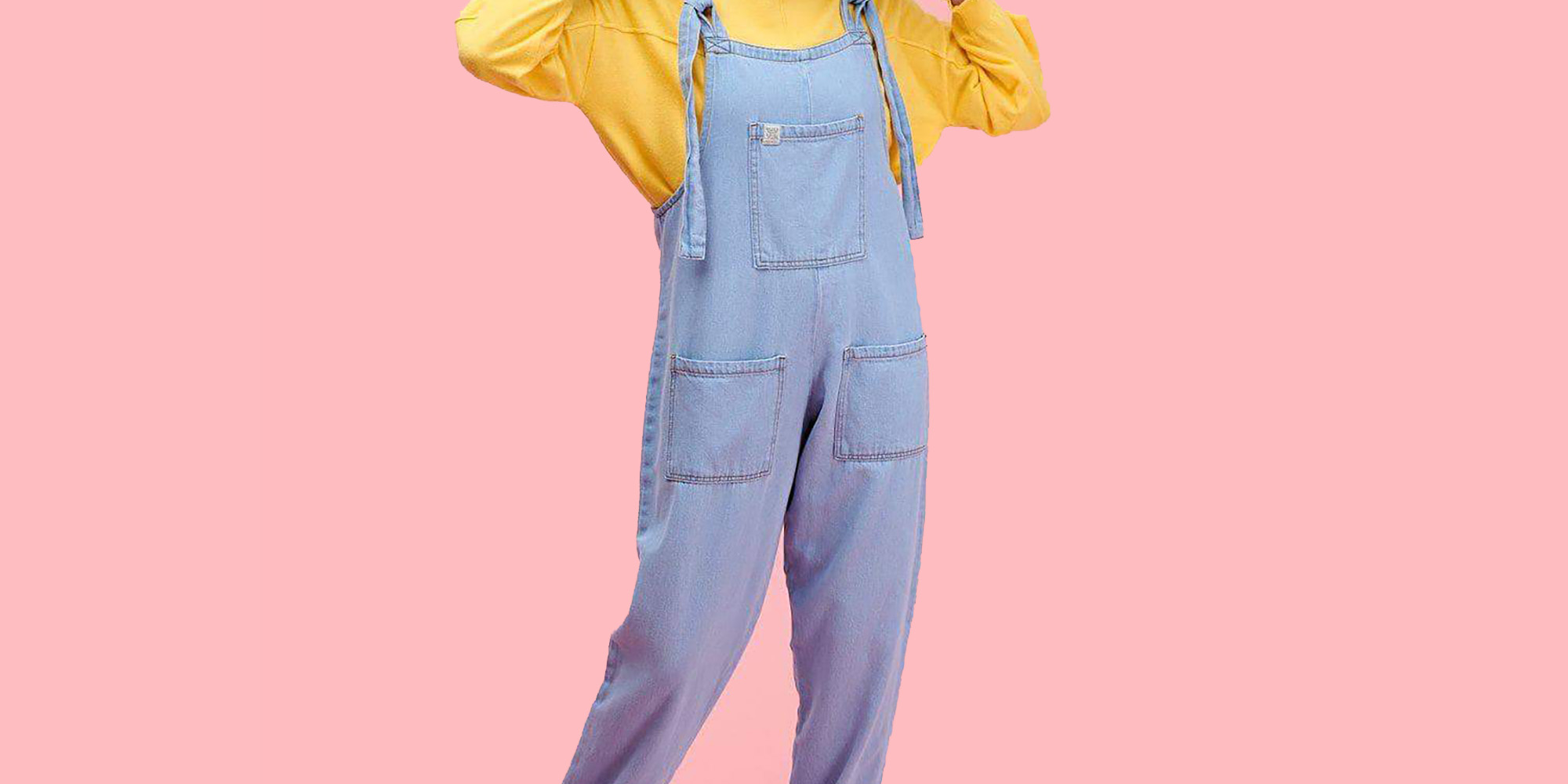
Independent, handmade, and responsible, we love Lucy & Yak’s playful take on classic garments. With unisex designs for everyone, this UK brand will brighten up your day.
Find pieces inclusively sized in UK 4-32.
Akyn
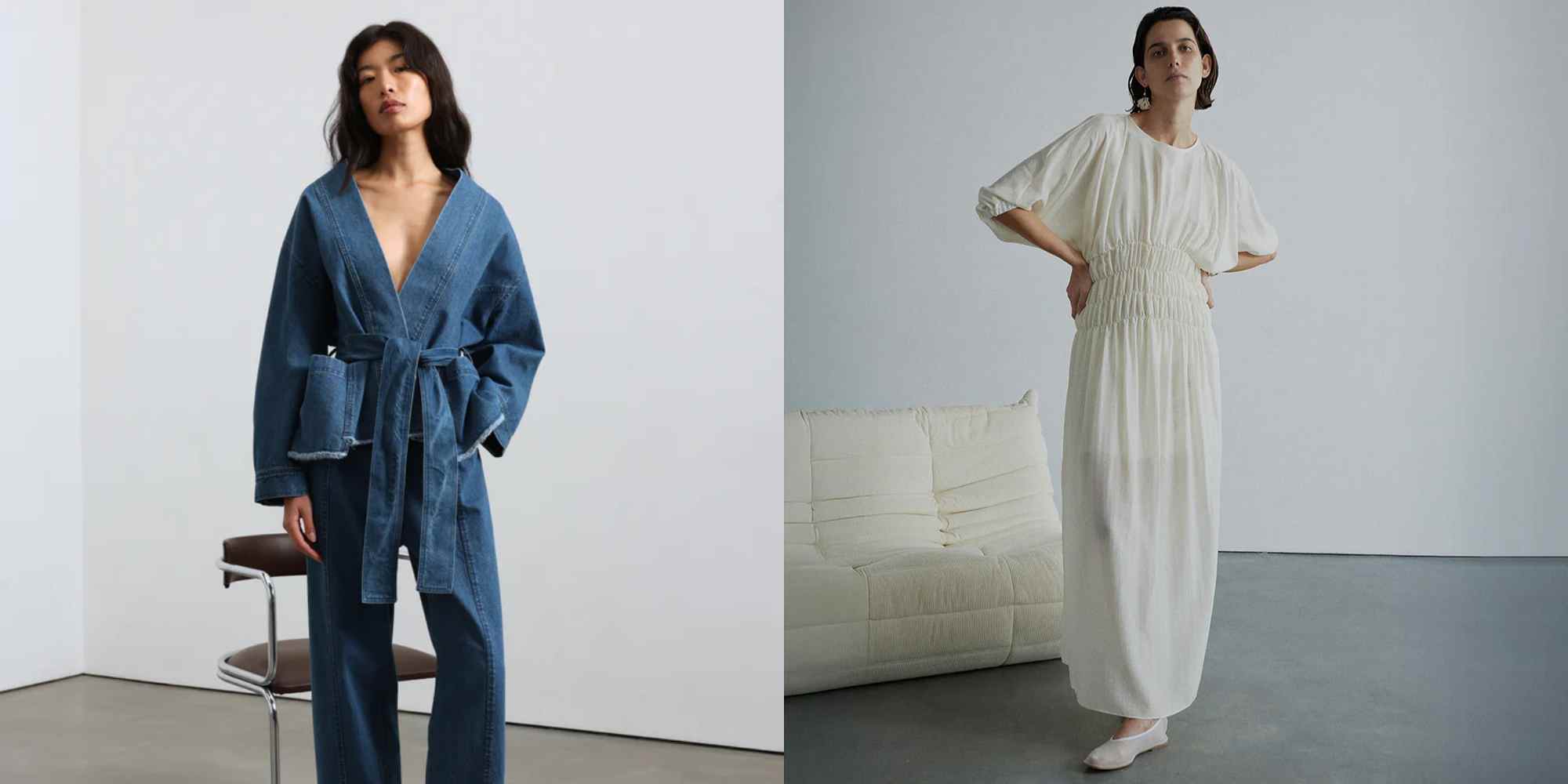
Founded by sustainable fashion industry legend Amy Powney, Akyn makes contemporary and timeless womenswear using lower impact materials.
non
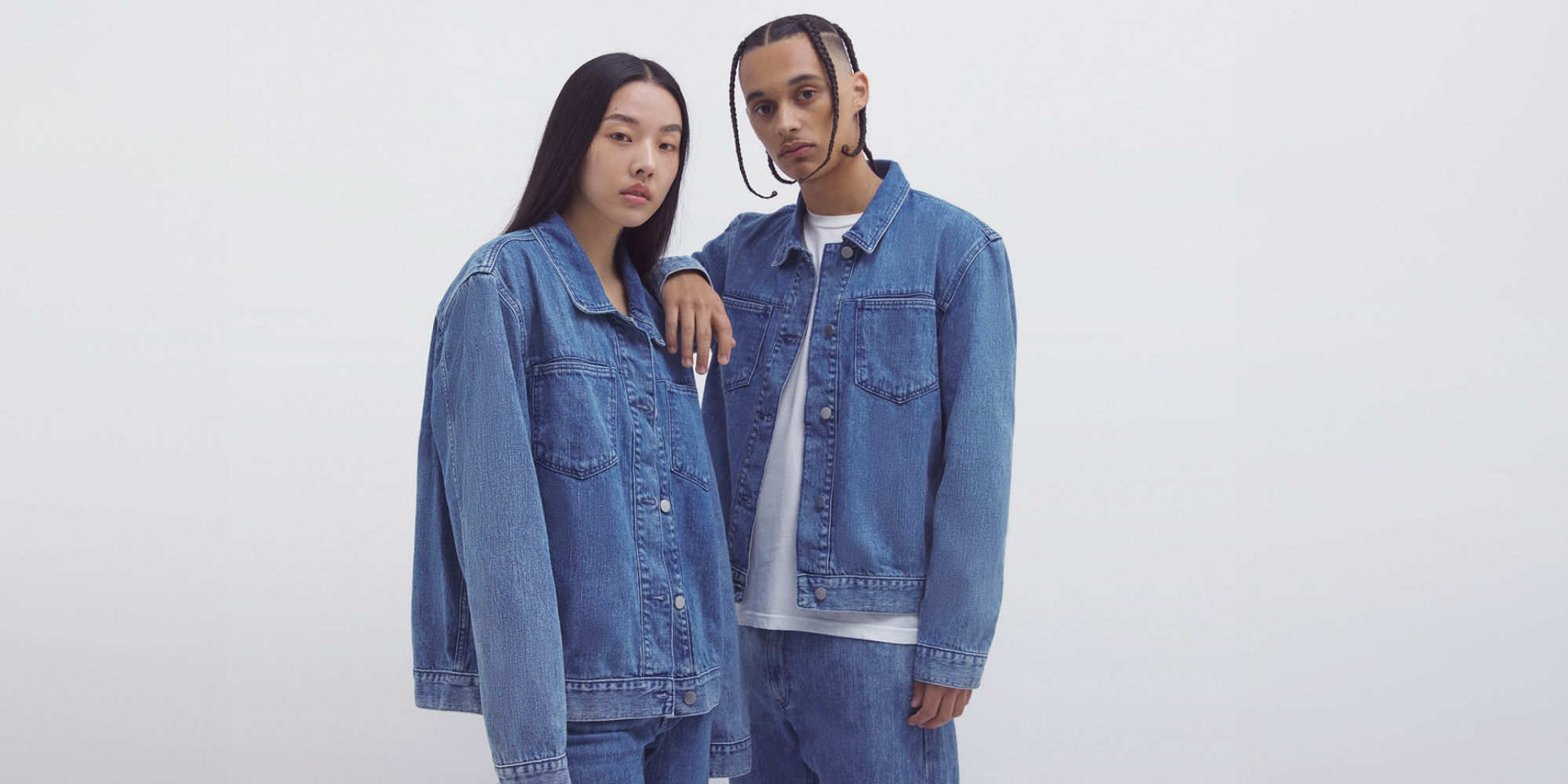
non is a UK-based label that offers raw selvedge denim jeans, jackets, and accessories that are designed to last.
The jeans are available in sizes 26-36.
OMNES
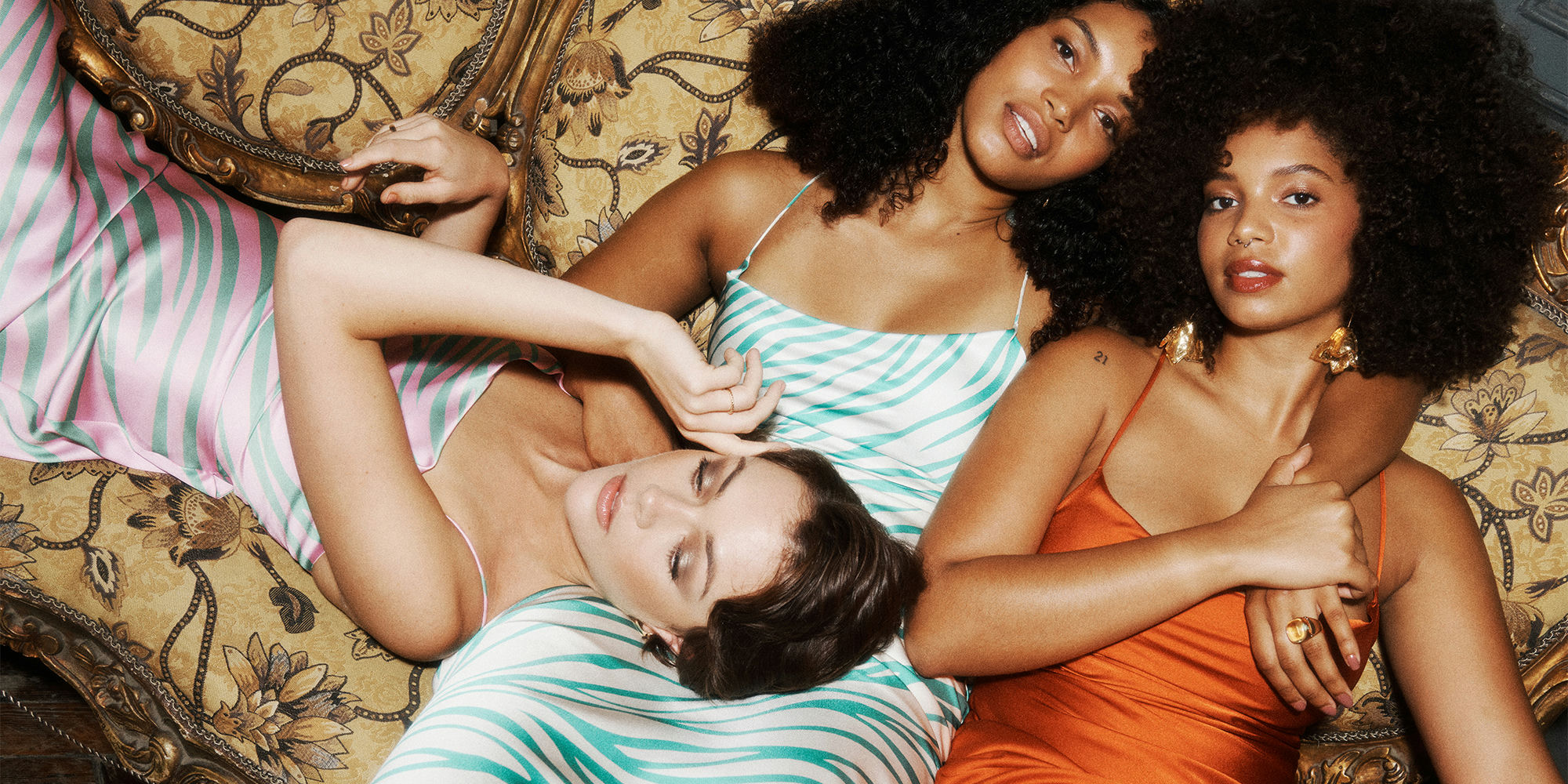
OMNES is a more responsible and more affordable UK-based brand creating high quality womenswear. “We created OMNES to help change the way you shop, wear and think about clothing. And to encourage the rest of the industry to do it, too,” says the brand.
Find most items in sizes 6-20.
amt.
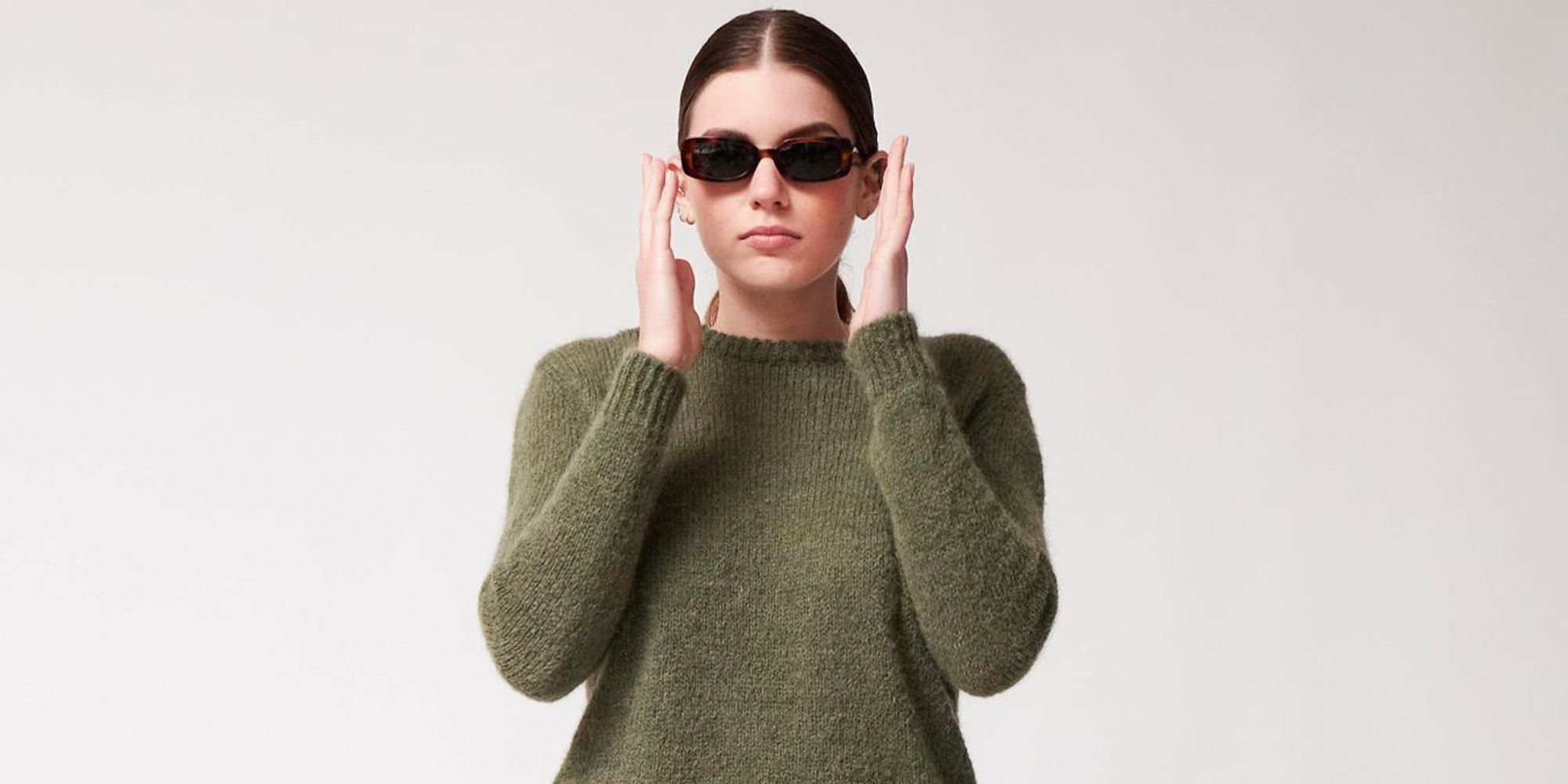
amt. studio is a Spanish clothing brand that produces locally and with recycled materials.
Find most items in sizes XS-L.
ASKET
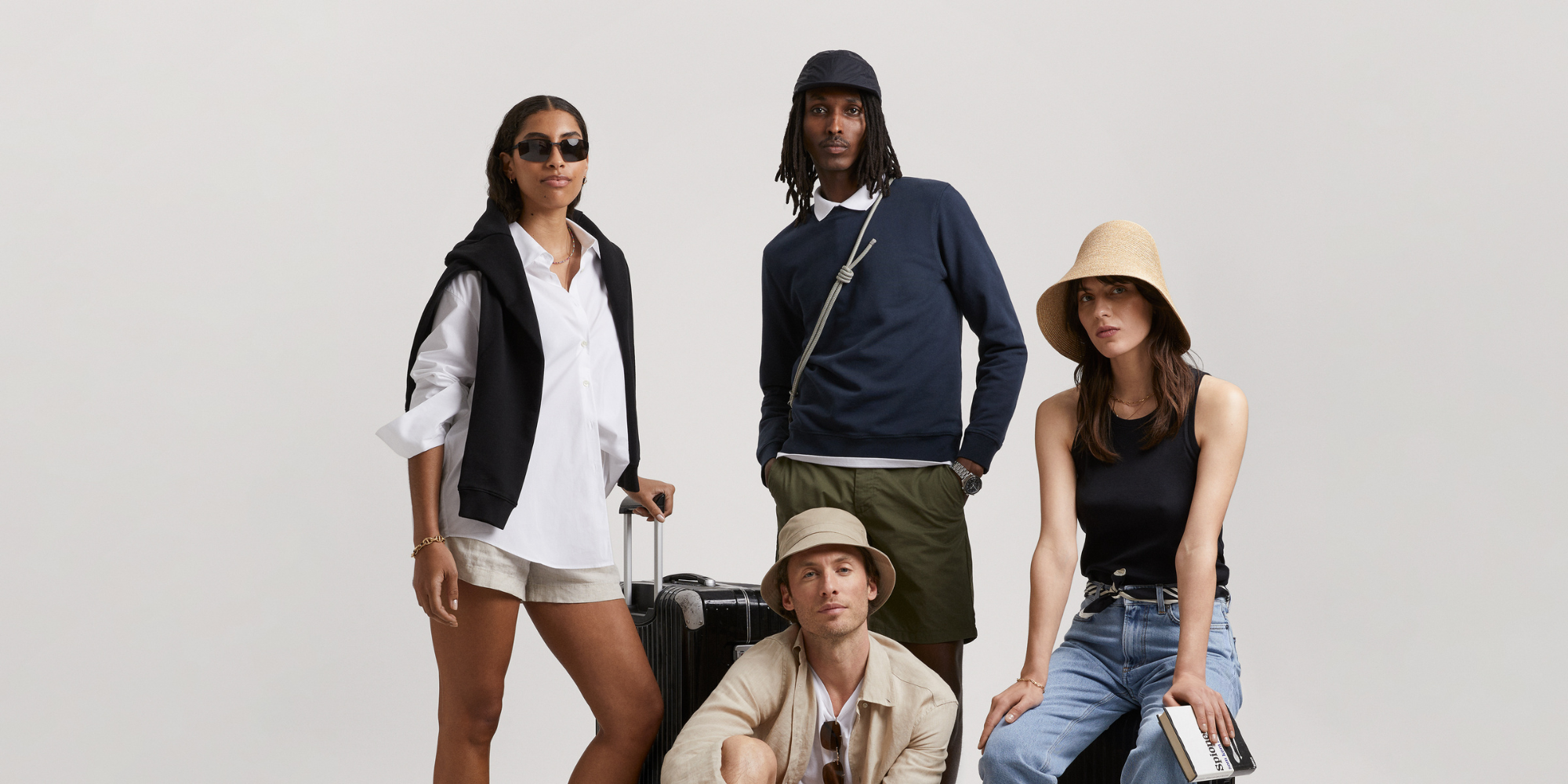
ASKET has been creating timeless wardrobe essentials since 2015 with revolutionary sizing and fair pricing. The brand disregards seasonal collections, cuts out all the middlemen, and only sells directly to you—putting its entire focus on building a single permanent collection.
Find the range in sizes 2XS-2XL.
ISTO.
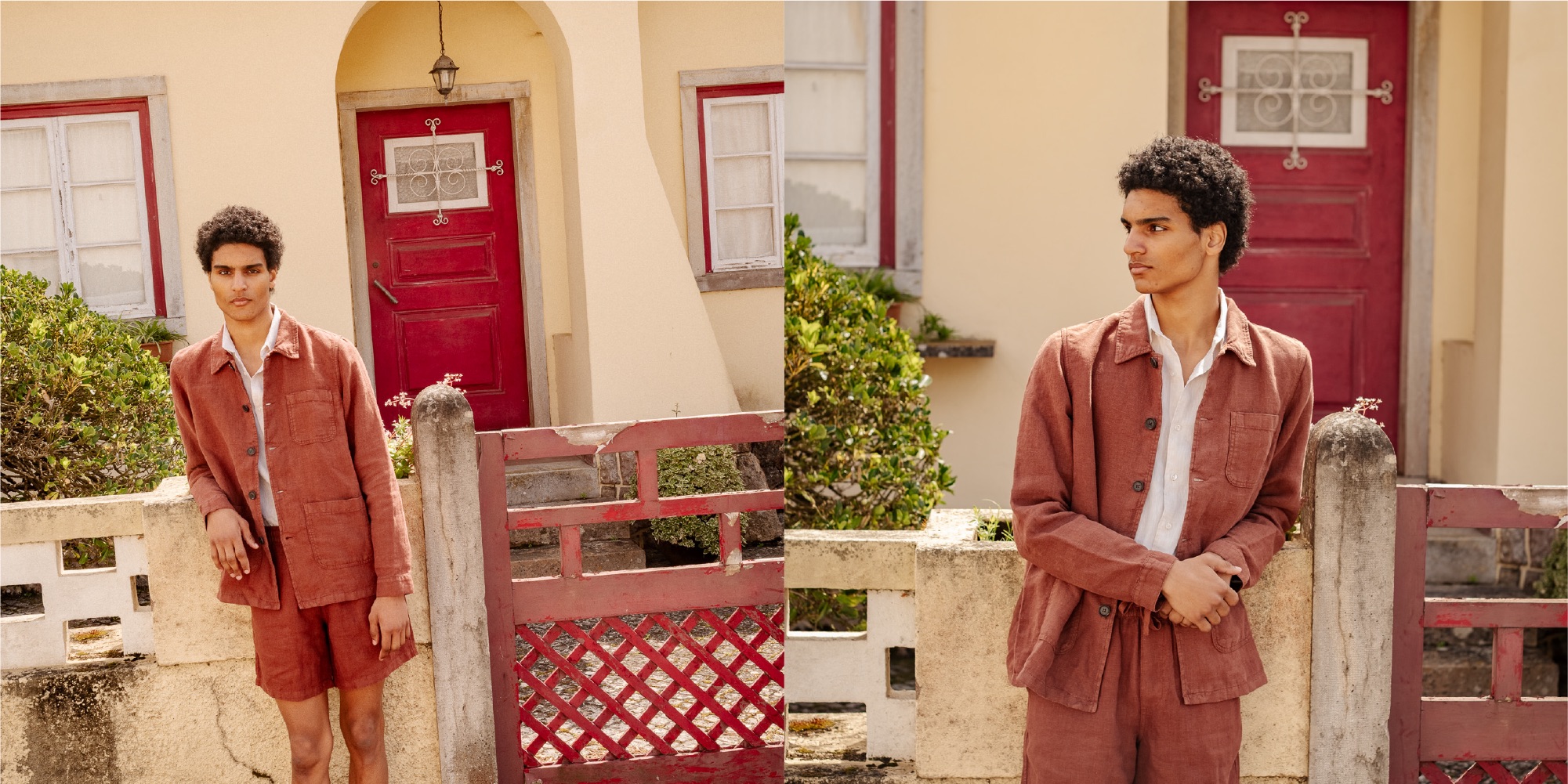
Portuguese brand ISTO.’s mandate is simple: create clothes to transcend the seasons and work as staple items in your wardrobe all year round. It has one single collection and pursues quality over quantity to try and make its items permanently available. It uses organic materials and is transparent in showing you the true cost of your clothes when you go to purchase a piece for your wardrobe.
The range is available in XS-XL.
G-Star RAW
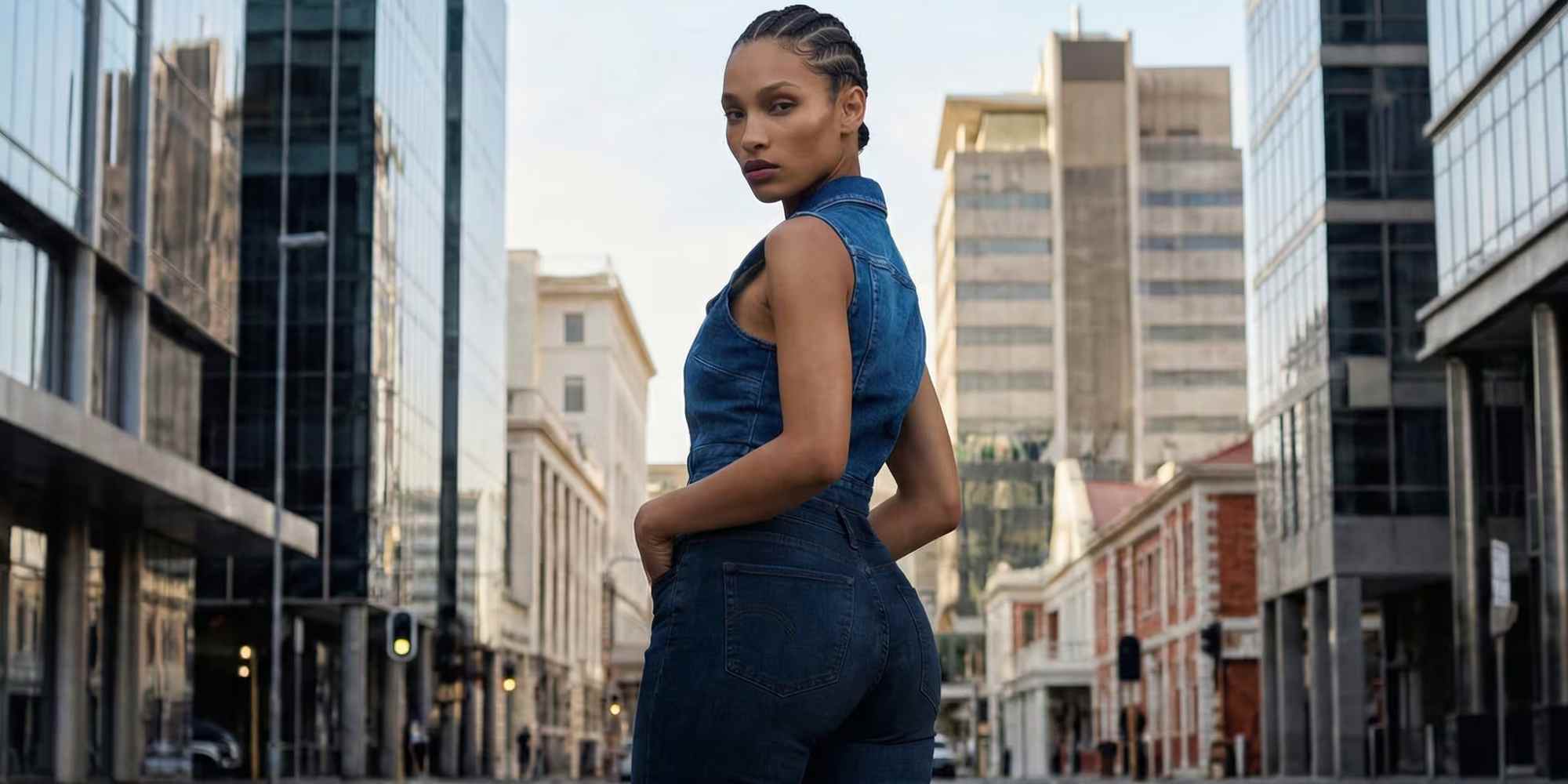
Amsterdam-founded G-Star RAW specialises in raw denim. “With innovation, sustainability and creativity at our core, we aim to bring pioneering styles and challenge industry standards, while constantly trying to improve our impact on people and planet,” the brand says.
9-jour
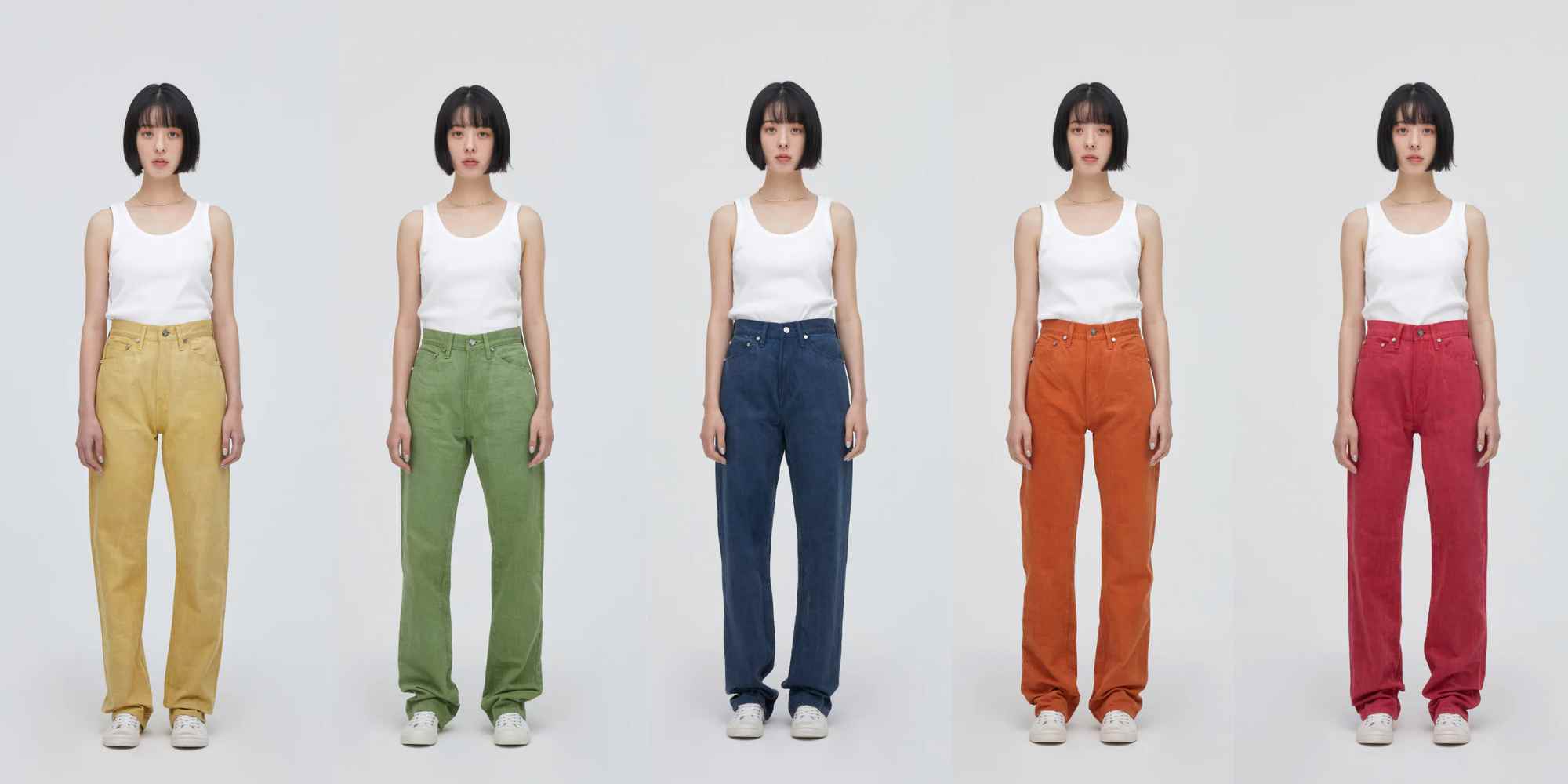
9-jour is a Japanese denim brand specialising in jeans coloured every hue you could wish for. The brand only uses selvedge denim that’s dyed naturally with low-impact solutions. It manufactures its products locally and to order, reducing energy use and wastage versus conventional fashion supply chains.
Available in waists 69-90cm
Editor's note
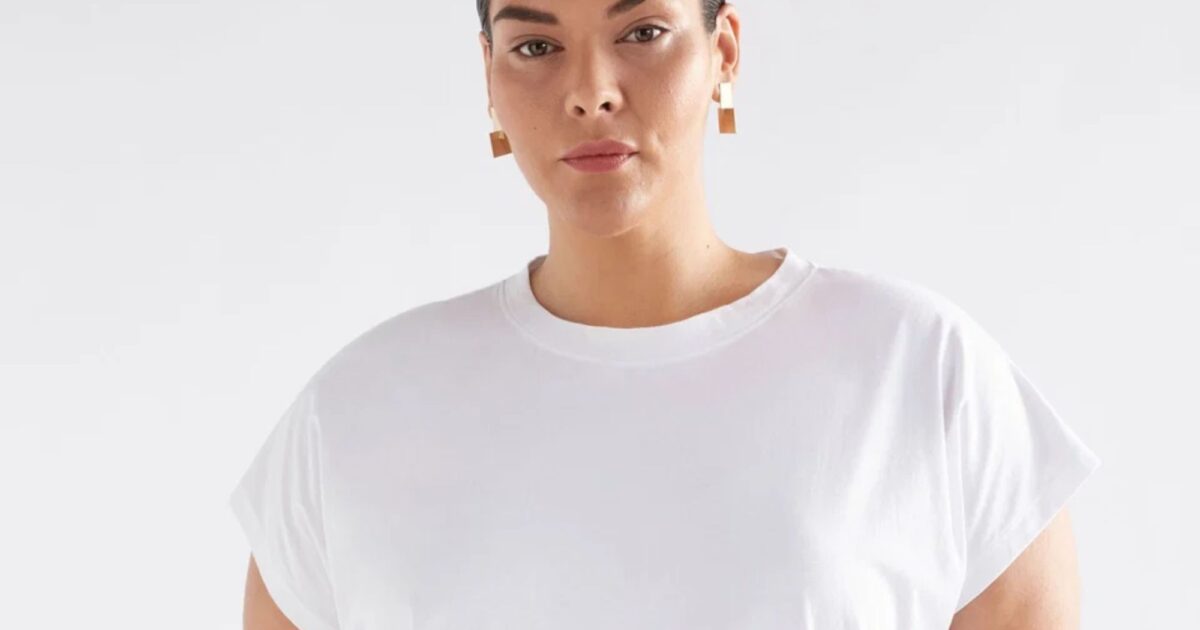
Feature image via E.L.V. Denim, all other images via brands mentioned. Good On You publishes the world’s most comprehensive ratings of fashion and beauty brands’ impact on people, the planet, and animals. Use our directory to search thousands of rated brands.
We updated this article on 25 August 2026: Our editors frequently make updates to articles to ensure they’re up to date. We updated this list to reflect brands with recent ratings.










.png)






.jpg)



 English (US) ·
  French (CA) ·