

 8 hours ago
4
8 hours ago
4
PROTECT YOUR DNA WITH QUANTUM TECHNOLOGY
Orgo-Life the new way to the future Advertising by Adpathway By EraofLight
Across Europe, protests have become a powerful expression of public frustration with political leadership, corruption, economic hardship, and institutions that many citizens feel no longer represent them. In Albania and France, people are demanding accountability and a government that serves the public rather than protecting political interests. Beneath these demonstrations lies a common message: citizens are no longer willing to remain silent when they believe their trust has been betrayed.


In Albania, public anger over corruption, allegations involving political figures, and concerns about the rule of law have fueled demands for accountability. Opposition supporters and other demonstrators have challenged Prime Minister Edi Rama’s government, calling for political responsibility and meaningful action against corruption. For many Albanians, the issue extends beyond party politics: it concerns the future of their country, the integrity of public institutions, and whether ordinary people have a genuine voice in decisions that shape their lives. The demand is straightforward: public office must serve the people, and those who exercise power must be answerable for their actions.
In France, the unrest has spread beyond individual grievances into a wider challenge over the cost of living, inequality, public services, and the direction of the country. On October 17, 2026, demonstrations were taking place across the nation, bringing together students, trade unionists, and supporters of the Yellow Vest movement. Protesters are demanding better wages and pensions, lower prices, improved education, and protection of essential public services. These demonstrations reflect growing frustration among citizens who feel that the political system is failing to meet their needs. The government faces the challenge of responding to these demands while preserving the public’s confidence in its institutions.
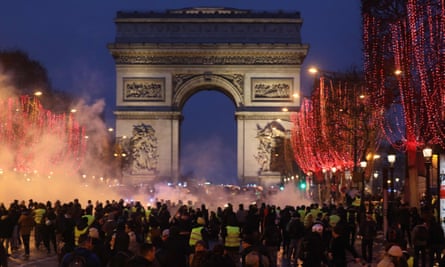

What connects Albania and France is the growing determination of ordinary people to make their voices heard. Although the circumstances differ, both movements reveal a deep divide between political leadership and sections of the public. In Albania, demands center heavily on alleged corruption, political accountability, and the future of the country. In France, economic pressures, deteriorating public services, and concerns about inequality are driving demonstrations. The right to peaceful protest is essential in a democracy, and governments must take legitimate public grievances seriously rather than dismissing the people expressing them. Violence and destruction, however, risk undermining the very causes demonstrators want to advance.
The larger message is that a government cannot indefinitely expect public trust without accountability, transparency, and results. People are not merely spectators in their own countries; they have the right to demand better leadership, defend their communities, and insist that public institutions serve the public interest. Whether in Tirana or Paris, the future will be shaped by how citizens respond to injustice and how those in power respond to the people. Real change requires more than anger in the streets: it requires sustained civic participation, independent investigations, honest institutions, and meaningful reforms. When people unite around accountability and a better future, their voices become impossible to ignore.
















.png)






.jpg)



 English (US) ·
  French (CA) ·