

 3 hours ago
8
3 hours ago
8
PROTECT YOUR DNA WITH QUANTUM TECHNOLOGY
Orgo-Life the new way to the future Advertising by Adpathway- Neil Hague - memes and headline comments by David Icke
- 6 July 2026
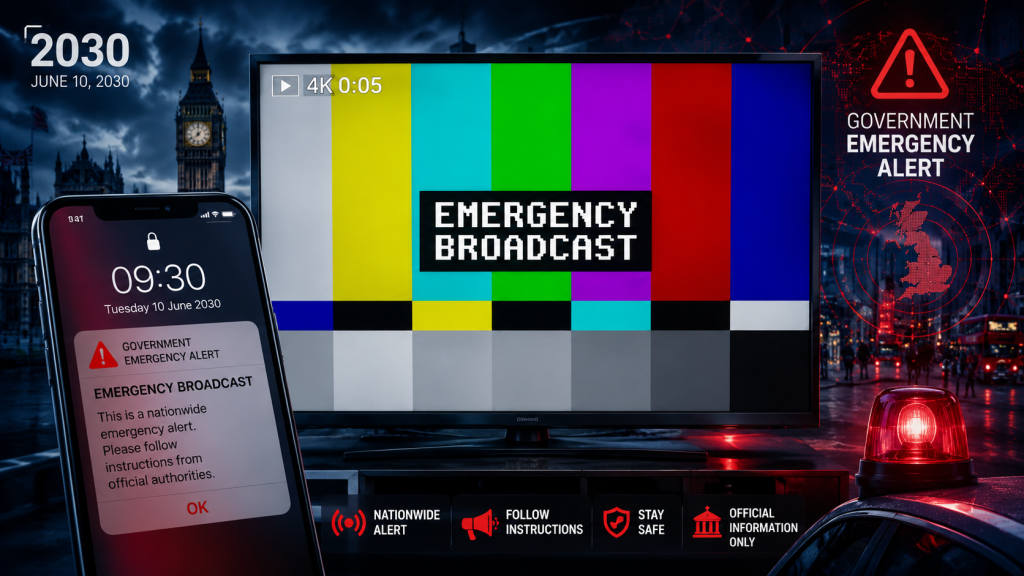
People have always imagined the beginning of a crisis in dramatic terms. They imagine emergency broadcasts interrupting television programs, endless traffic jams, crowds gathering in confusion and images powerful enough to convince everyone that something unusual is happening. History, however, has rarely unfolded with such theatrical precision. More often, profound changes have emerged quietly, disguised behind ordinary routines and familiar landscapes. Some of the most significant disruptions experienced by societies during the last century began during periods that, in retrospect, appeared almost painfully normal. Shops remained open, roads stayed crowded and millions of people continued planning holidays, discussing mortgage payments and making appointments for the following month, unaware that the mechanisms supporting that normality had already begun experiencing pressures invisible to the public.
Throughout 2026, discussions among analysts specializing in infrastructure, logistics and long-term resilience have become increasingly focused on a subject that rarely attracts widespread attention. Their concern has not revolved around spectacular disasters or apocalyptic scenarios, but around something far more difficult to explain. Modern civilization has become extraordinarily efficient, perhaps more efficient than at any other moment in history. Yet efficiency and resilience have never meant precisely the same thing. Systems capable of operating with remarkable precision under normal circumstances are not necessarily systems designed to absorb multiple disruptions occurring simultaneously.












.png)





.jpg)


 English (US) ·
  French (CA) ·