

 1 week ago
42
1 week ago
42
PROTECT YOUR DNA WITH QUANTUM TECHNOLOGY
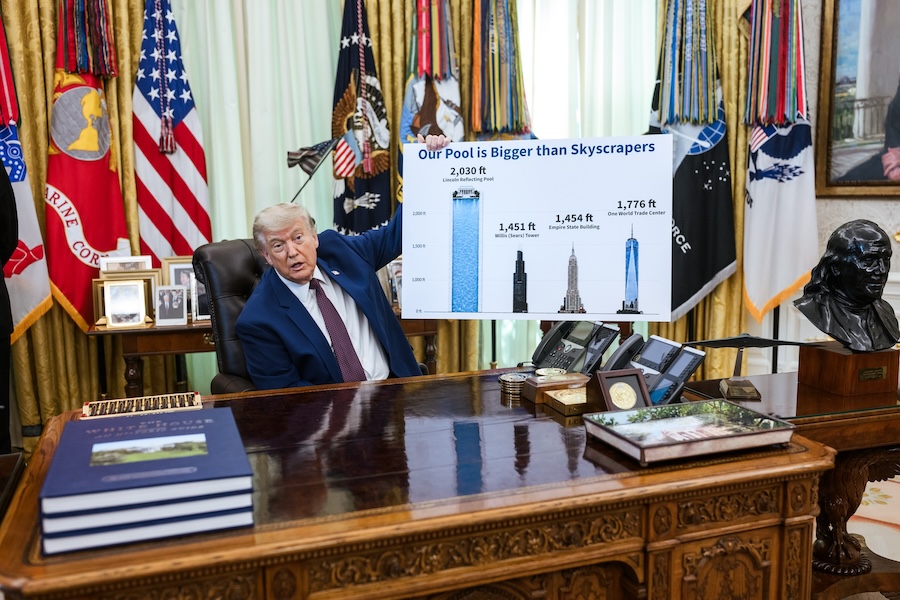
Orgo-Life the new way to the future Advertising by AdpathwayThe recent troubles at the Lincoln Memorial Reflecting Pool reveal a deeper narrative about political tensions and the management of national symbols. Following a costly renovation, the pool has become a site of controversy and debate, with former President Donald Trump vocally condemning the damage and calling for harsh consequences for those responsible.
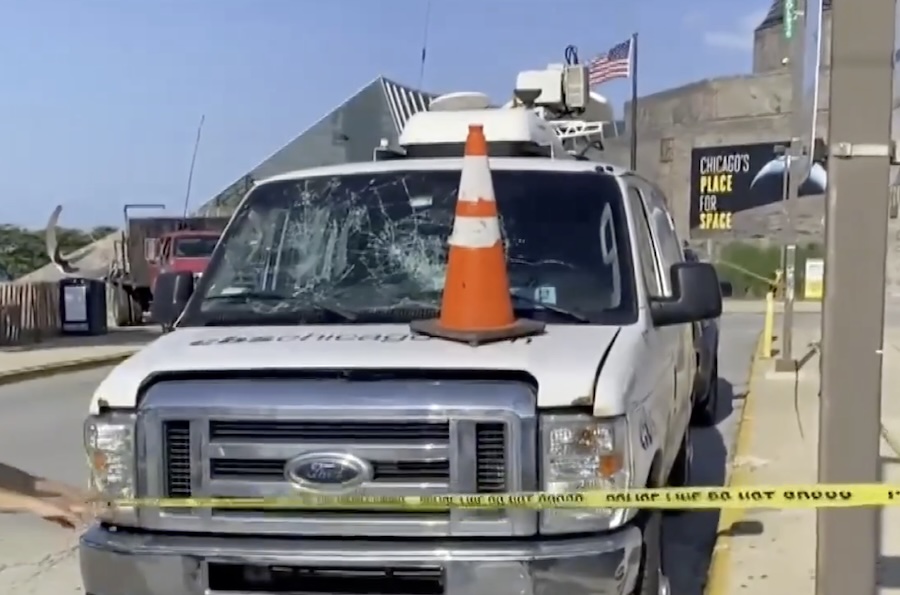
On June 6, 2023, the Reflecting Pool re-opened, yet within days, reports of vandalism surfaced. Trump characterized the culprits as “Radical Left Lunatics,” and he expressed outrage over graffiti that he suggested is a direct attack on his legacy. In his words, “We’ve had some real problems with vandalism at the beautiful Reflecting Pool,” showcasing his commitment to preserving this revered landmark.
The implications of this controversy extend beyond aesthetic damage; they reflect the broader climate of unrest within the public sphere. Visual evidence from journalists indicates serious issues with the pool’s post-renovation condition, such as peeling paint and parts of the blue lining that are beginning to separate. These tangible signs raise questions about the renovation’s quality and the effectiveness of the restoration work.
Confirming the vandalism claims, the United States Park Police reported multiple arrests. This official acknowledgment underpins the seriousness of the situation, validating Trump’s assertions about recent events. The National Park Service has started repairs, indicating a concerted effort to restore integrity to the site, while the Interior Department plays a vital role in overseeing these restoration efforts.
Amid these events, Trump accused individuals of utilizing destructive methods, stating, “No different than the chemicals that were used on the National Mall, they used something similar in the Reflecting Pool to try to destroy and demean our beautiful work.” Such comments contribute to an existing narrative of conflict surrounding the upkeep and sanctity of national treasures. The algae bloom affecting the pool’s water quality represents yet another layer of complexity, showcasing the ongoing challenges faced by officials trying to maintain these sites.
Beyond the immediate concerns of repairs, lingering questions about political motivations, maintenance oversight, and the materials used in renovations persist. While environmental factors contribute to issues like algae blooms, graffiti suggests a more deliberate form of disrespect. The public deserves clarity on both the origins of these problems and the strategies being employed to address them.
The tension surrounding the Reflecting Pool serves varied purposes for different stakeholders. Trump uses these events to rally his supporters, framing the vandalism as an attack on American values. Meanwhile, the National Park Service must navigate the practical challenge of repair while juggling public expectations. The restoration effort is not just about fixing damage; it is also about restoring trust in those responsible for safeguarding national symbols.
As discussions advance, the Reflecting Pool incident highlights crucial conversations about monument conservation and the need for heightened security measures. The balance between preserving national heritage and allowing freedom of expression is increasingly fragile in today’s political climate. The responsibility to nurture these hallowed grounds requires vigilance and coordinated efforts among various administrative bodies.
The events at the Reflecting Pool may serve as a wake-up call. Future policies could focus on enhancing security and establishing preventive measures against vandalism—all while fostering a sense of respect for national monuments. Amidst turbulence, the hope is for a collective appreciation of sites that embody American pride and history.
The enduring symbols of America’s past need both restoration and reverence if they are to maintain their significance in the lives of citizens. As the Park Service works diligently to repair physical damage, society must engage in a deeper conversation about the narratives surrounding these landmarks, fostering a lasting respect that endures in the face of changing political landscapes.
"*" indicates required fields








.png)




.jpg)


 English (US) ·
  French (CA) ·