

 10 hours ago
8
10 hours ago
8

While the world attention has been more focused on West Asia most of the time, in terms of human welfare concerns neighboring South Asia is of greater importance. The population of South Asia is over six times higher than that of West Asia. The population density is also over six times higher in South Asia. While West Asia is known for extremely high oil and gas production as well as reserves, South Asia is woefully deficient in both, depending heavily on imports.
There are eight countries in South Asia—India, Pakistan, Bangladesh, Afghanistan, Nepal, Bhutan, Sri Lanka and Maldives. Together they have a population of about 1.95 billion. With about 23% of the world’s population, South Asia has only about 5% of the world’s land share and only about 4% of the share of world’s annual renewable freshwater resources.
Over 90% of South Asia’s people had to suffer, directly and indirectly, the pain and injustices of nearly 200 years of colonial rule (for the most part British rule) before achieving independence in or around 1947. Although development indicators have improved significantly and the killer famines of colonial rule (in the last years of colonial rule the Bengal famine alone claimed about 3 million lives) are almost entirely a thing of past for the greater part of the region, high levels of hunger still persist on a significant scale in Afghanistan. According to a UN report issued in mid-May 2026, 74% of the regular residents and 92% of recent returnees are unable to secure necessities for life in Afghanistan. In a recent report of Integrated Food Security Classification, in 45 rural districts of Pakistan having 14% of total population, one-fifth of the population suffers from crisis of serious food insecurity.
Although affluence can be seen in parts of several cities and even villages, high levels of inequalities have meant that prosperity has eluded large sections of people. The bottom half of the population still continues to struggle to meet basic needs. In a region where the majority of population still lives in villages, many farmers are in a crisis situation that also involves ever-continuing debts, while the almost entirely landless rural households constitute the poorest section of rural society. Unemployment among youth, many of them with college degrees, remains a huge cause of distress and discontent.
These problems can aggravate in adverse global conditions such as those experienced in the context of middle-east and Ukraine wars. At a wider and longer-term level, the situation can aggravate even more due to the impacts of climate change and increasing disasters.
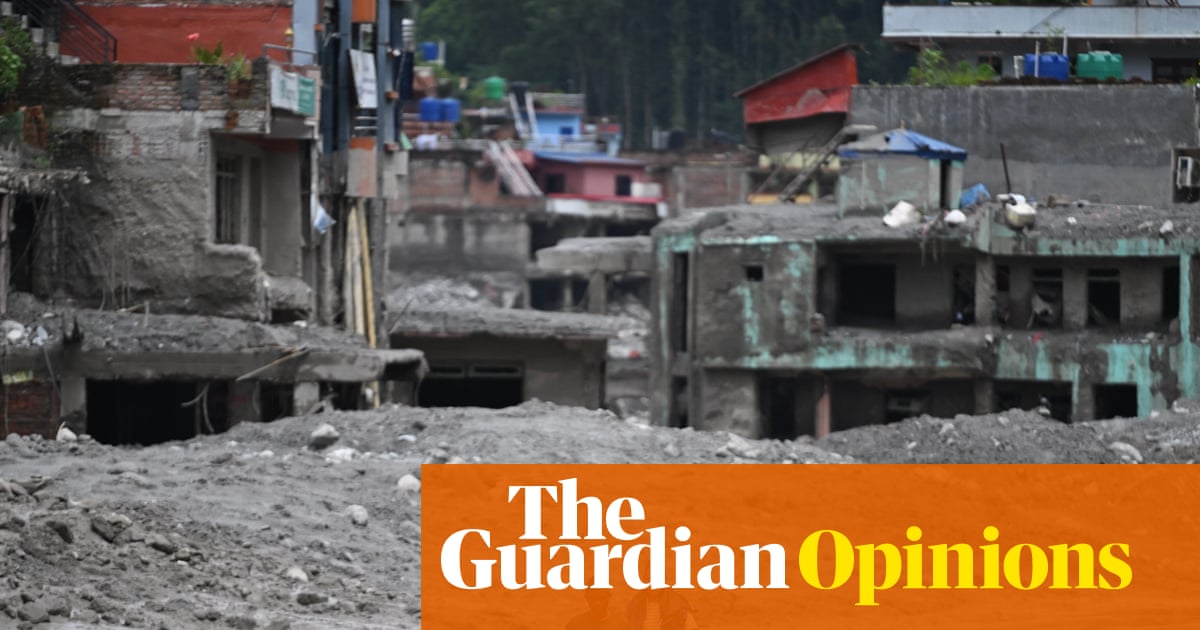
South Asia has a vast Himalayan region, other extensive hill ranges, vast desert areas and a long coast line. All of these (as well as some special heat belts) are highly vulnerable to worsening disasters and problems in times of climate change. Many serious environmental problems are increasing at the same time—declining water table, depleting farmland fertility and increasing soil erosion, depleting and polluted rivers and other surface water-bodies, also some of the highest pollution levels in the entire world in several cities.
To cope with these challenges, increasing peace and cooperation among the various countries of the region are needed, but precisely the reverse has been happening. South Asia has witnessed several wars, civil wars and extended conflicts as well as terror attacks in the post-colonial period. The risks have increased as two countries with a long history of hostility (India and Pakistan) are nuclear weapon countries.
Clearly continuation of high levels of hostilities can only worsen the situation and urgent steps need to be taken to curb hostilities and strengthen peace and peace processes. The South Asian Association for Regional Cooperation (SAARC), a forum for promoting cooperation among all countries of the region, already exists but it has to prepare and equip itself for a more effective role of peace and cooperation than what it has been able to achieve in the past. Helping to coordinate more relief supplies to reduce the humanitarian crisis in Afghanistan can be an immediate priority.
As many suspicions exist and there are serious points of discord, the peace processes will have to be patient and persistent. Hope comes from the past experience that given even slightly improving conditions, people from various countries of the region, including hostile ones, appear to enjoy each other’s company and can soon get into festive mood. This genuine desire for friendship among many people of all countries can be taken further with exchanges and joint events relating to music, cinema and sports, preparing the ground hopefully for bigger peace outcomes to follow.
*
Click the share button below to email/forward this article. Follow us on Instagram and X and subscribe to our Telegram Channel. Feel free to repost Global Research articles with proper attribution.
Bharat Dogra is Honorary Convener, Campaign to Save Earth Now. His recent books include Protecting Earth for Children, Planet in Peril and Man over Machine. His website is bharatdogra.in and his YouTube channel is Bharat Dogra | Save Earth Campaign. He is a regular contributor to Asia-Pacific Research.
Global Research is a reader-funded media. We do not accept any funding from corporations or governments. Help us stay afloat. Click the image below to make a one-time or recurring donation.
















.png)






.jpg)



 English (US) ·
  French (CA) ·