

 11 hours ago
6
11 hours ago
6
PROTECT YOUR DNA WITH QUANTUM TECHNOLOGY
Orgo-Life the new way to the future Advertising by AdpathwayAnalysis: Unpacking the Anti-ICE Demonstration in Minnesota
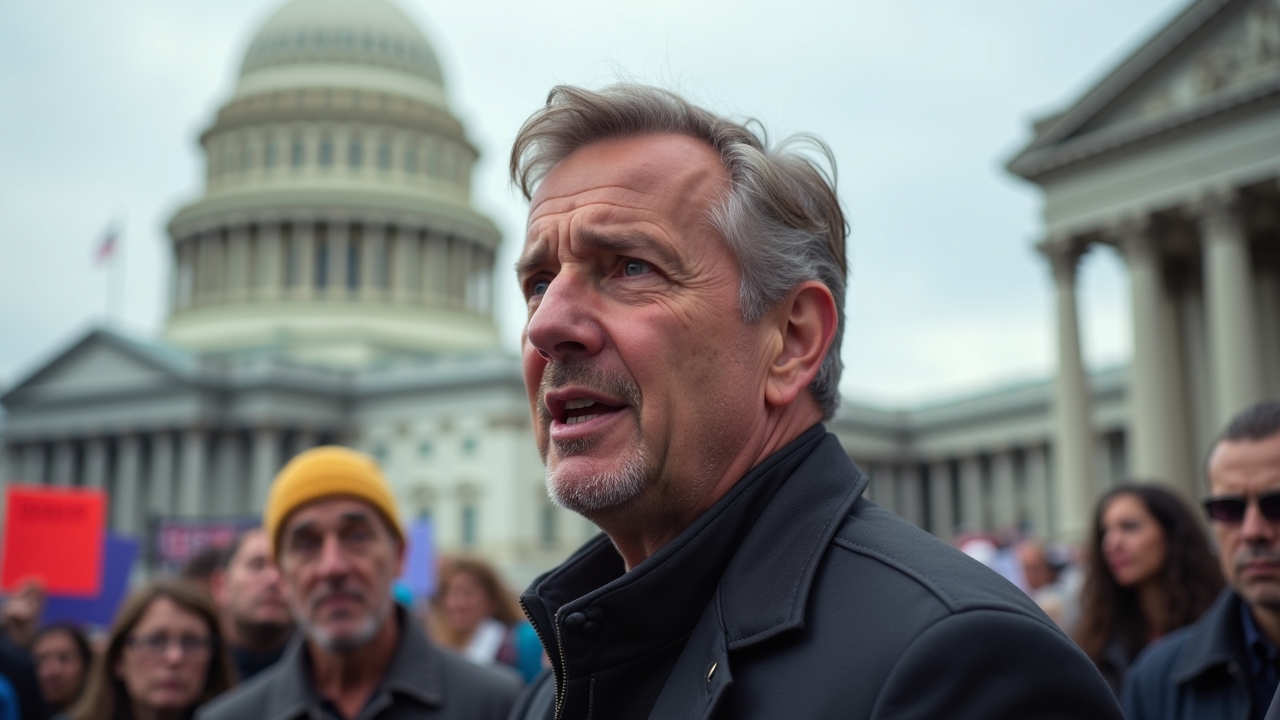
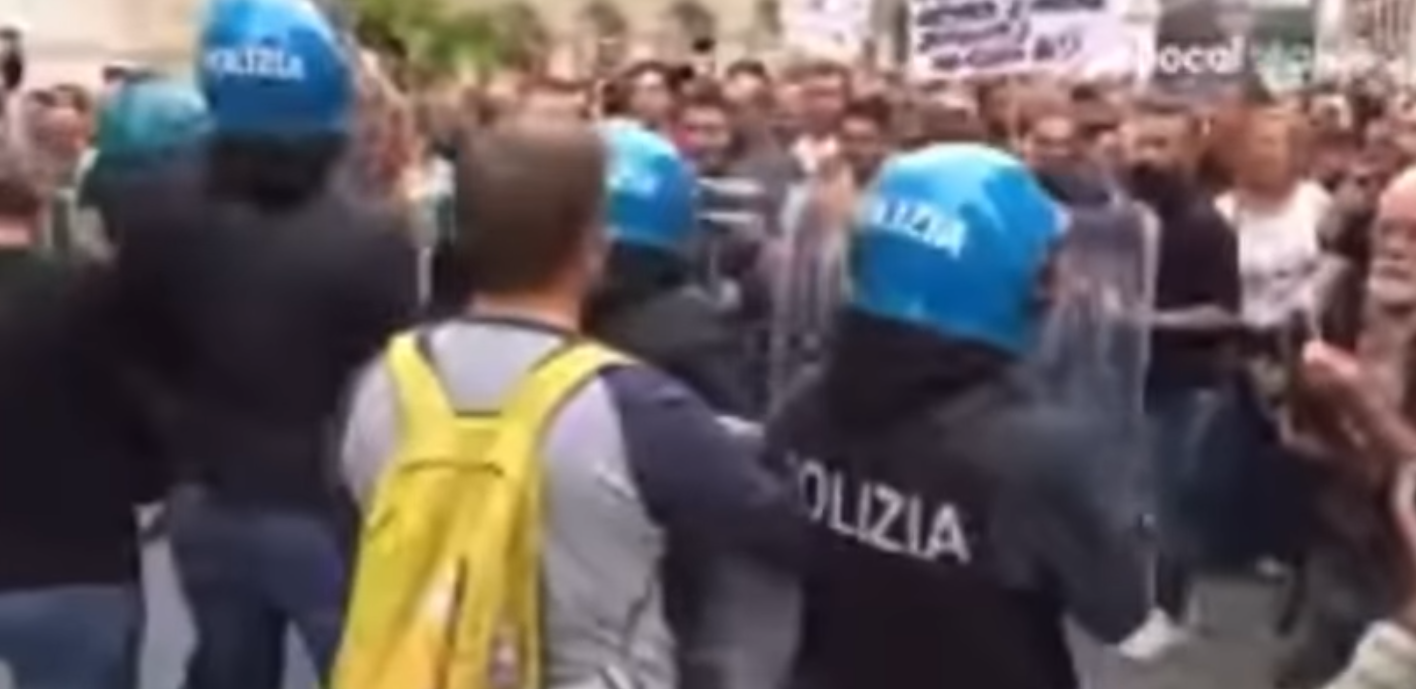
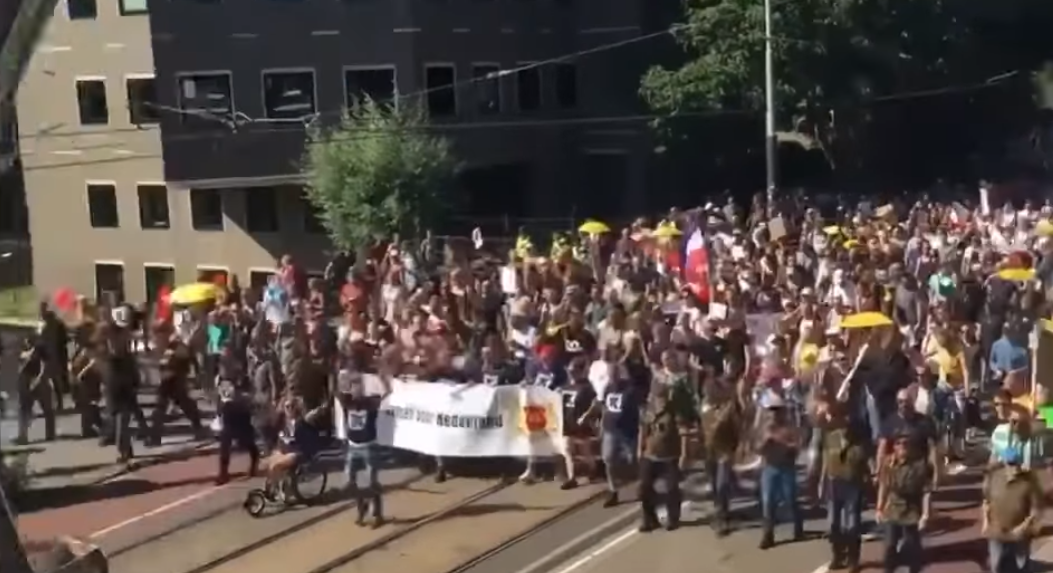
The recent protest against U.S. Immigration and Customs Enforcement (ICE) in Minnesota highlights deep-seated tensions over immigration enforcement practices and public safety. Thousands gathered across Minneapolis and St. Paul, effectively turning major intersections and public spaces into a stage for dissent against federal authority. Aerial footage captured the mass of demonstrators, while one viral tweet pointedly questioned the protest’s impact on work and productivity in the area, raising eyebrows about possible economic implications.
This demonstration stands out as one of the largest since ICE intensified its operations in so-called sanctuary cities. The event’s organization, attributed to left-wing advocacy groups and online networks, showed a high level of coordination now under federal scrutiny. The targets were clear: local officials’ cooperation with ICE, particularly regarding the notification of illegal immigrants arrested for crimes, lit a fuse among protestors who felt the city was abandoning its sanctuary status.
In a dramatic twist, the website StopICE, which played a significant role in tracking ICE movements, was compromised by hackers. The attackers not only disabled the site but also replaced its images with a portrait of Tom Homan, the former ICE director. Homan remarked on the coordinated nature of the protest, stating, “These aren’t random people waving signs. They’re part of a pipeline of surveillance, disruption, and intimidation targeting public servants who enforce immigration policy.” His words crystallize the complex narrative surrounding these demonstrations: what one group sees as justified protest, others interpret as a direct threat to the rule of law.
The unfolding scenario exposes a broader issue regarding the financial underpinnings of protests and the role of public assistance. Officials express concern that some protest participants may rely on welfare programs, raising questions about the sustainability of such actions. A senior Department of Homeland Security (DHS) official noted a disturbing pattern: “When you look at the data, a sizable portion are drawing some form of local or state welfare benefit.” This connection between welfare and protest activity resonates with taxpayers who feel burdened by a system that they perceive as subsidizing unrest.
The investigation into the protests includes troubling actions by some demonstrators, illustrated by an incident where a rally interrupted a church service in St. Paul. The disruption not only impeded worship but also interfered with parents attempting to reach their children. The involvement of high-profile figures, such as former CNN anchor Don Lemon, further highlights the growing intersection of media and activism, culminating in legal ramifications for some participants.
Tension seems to escalate as local officials grapple with the implications of their cooperation with federal enforcement. Statements from the ICE frontlines express skepticism about the genuine commitment of those in charge. “We’ve been burned before,” said an ICE officer stationed in Hennepin County, indicating a climate of mistrust that complicates law enforcement’s relationship with local authorities.
This divide in public opinion is palpable. Supporters of the protest frame their actions as a defense of vulnerable communities, while critics argue that such events carry tangible costs. The practical consequences of the protest were evident in traffic disruptions affecting bus routes and emergency services, compounding the frustrations of residents. Such conflict over resource allocation and civic responsibility raises fundamental questions about governance and community priorities.
Local community members have begun to demand transparency regarding the funding of protest-affiliated organizations. A 2025 audit uncovered misuse of grants intended for refugee support, revealing a broader conversation about the accountability of nonprofits in the political landscape. This issue underscores the intricate relationship between federal subsidies and local dissent, particularly in areas with large foreign-born populations.
As protests continue to take shape nationwide, lawmakers are paying attention. Senator Mike Lawler’s proposed legislation to tie federal funding to cooperation with ICE signals a growing recognition of the financial stakes involved in the immigration debate. His assertion that “If you’re sheltering criminal illegal aliens and refusing to notify ICE, you don’t get the check” puts pressure on local governments to balance competing demands.
In Minnesota, the atmosphere remains charged as plans for further protests surface. Flyers hint at intentions for disruptive actions and targeted campaigns against ICE personnel, intensifying a contentious debate over the future direction of local policy and community values. For many residents, the ongoing discussion is about more than just immigration; it encompasses a vision for the city itself.
As the situation develops, the essential question looms: Can local authorities navigate the complexities of public sentiment, resource availability, and federal law enforcement without compromising public order? The answer will likely shape not only Minnesota’s future but the broader national dialogue on immigration as well.
"*" indicates required fields










.png)

.jpg)

 English (US) ·
  French (CA) ·