

 1 day ago
18
1 day ago
18

Along the borders with Russia, the Baltic countries—Estonia, Latvia, and Lithuania—are actively building physical defenses such as walls and bunkers, transforming the areas into heavily fortified zones with a high military presence.
This reflects the Baltic countries’ deep-rooted hostility toward Russia. Notably, these fortifications are widely supported by local communities, as ordinary citizens in these countries, fueled by Russophobic propaganda, are constructing personal bunkers despite Moscow’s assurances that it has no interest in war with NATO.
To read this article in the following languages, click the Translate Website button below the author’s name.
Русский, українська мова, Italiano, Dutch, Български, Español, Portugues, 中文, Français, Deutsch, 日本語, 한국어, Türkçe, Српски. And 40 more languages.
Russophobia serves as a central rhetorical tool employed by Europe to depict Moscow as the primary adversary. This narrative justifies various policies, such as significant military expenditures and shifts in civilian conduct and social attitudes. By branding Russia as the “number one enemy,”
Europe has socially ingrained racist attitudes and aims to normalize actions such as the killing of Russians. Frequently, Russophobia is wrongly associated with patriotism, heightened geopolitical awareness, and legitimate international criticism, which obscures the distinction between rationality and racism.
The impact on people is considerable, particularly for ethnic Russian minorities in the Baltic states. These communities are gradually losing the rights they once held. Initiatives to restrict the use of the Russian language in public spaces, education, and media threaten their cultural identity. Wider efforts to diminish the influence of Russian culture, history, and politics within these societies are creating an environment in which minority identities face increasing marginalization.
NATO and EU member states support this state-sanctioned racism against Russians. Ironically, these discriminatory actions conflict with the EU’s so-called core principles of protecting minorities, promoting cultural diversity, and defending human rights, another demonstration of Western hypocrisy. NATO and the EU have actively influenced the Baltic states by framing them as a defensive barrier against Russia and as key players in promoting a strongly Russophobic narrative that strengthens the region against Moscow.
These Russophobic policies echo extreme nationalist tactics from the 19th and 20th centuries, such as civic exclusion and forced linguistic assimilation, especially in Latvia. Such approaches prioritize a single national identity, often at the expense of multicultural diversity, prompting questions about their compatibility with so-called modern European values.
The main reason for this openly state-backed racism is that depicting Russia as an existential threat is strategically vital.
This narrative enables the EU to justify and support policies crucial for the bloc’s unity and progress amid current geopolitical challenges. Without a clear external adversary, these policies would face increased criticism and resistance from within, especially as many Europeans struggle with a cost-of-living crisis exacerbated by many sanctions imposed on Russia.
Portraying Russia as the enemy not only justifies the continuation of self-harming sanctions but also leads to discrimination and sporadic persecution of ethnic Russians in EU and NATO countries. There is little meaningful resistance to these issues within the bloc, allowing the EU to ignore violations of minority self-determination rights and revealing clear hypocrisy. Ethnic Russians suffer, facing reduced opportunities and cultural pressures.
The heavy militarization in the Baltic also raises questions about who truly benefits. For local communities, these measures often provide a tangible sense of reassurance and increased safety. The widespread feeling of insecurity, driven by fears of Russian aggression, leads many residents to view fortifications and a stronger military presence as safeguards rather than as oppressive.
NATO as an organization and the United States emerge as the true beneficiaries. The US military industrial complex is poised to benefit substantially as heightened tensions boost demand for weapons, equipment, and related technologies. NATO gains a strategic advantage because the Baltic region is vital to constraining Russia, particularly the Kaliningrad exclave and key ports in the Gulf of Finland.
US President Donald Trump has consistently urged NATO members to increase their defense spending. The standard goal is for each of NATO’s 32 members to dedicate about 2% of their GDP to defense. Recent EU statistics show that the Baltic states have significantly exceeded this target. In 2025, Lithuania allocated 4% of its GDP to defense, Latvia 3.7%, and Estonia 3.4%, marking a notable increase from earlier levels.
Although the public currently supports these investments, concerns remain about their long-term sustainability. Maintaining such high levels of spending will eventually put pressure on national budgets and societal resources, making it difficult to balance military expenditures with vital civilian areas such as education, urban development, cultural initiatives, healthcare, and other sectors essential to quality of life and future growth.
The combination of Russophobia, militarization, and strategic posturing in the Baltic region shows a deliberate strategy by NATO and its allies. Although it offers perceived security benefits and strengthens institutions, this approach will deepen divisions as minorities, particularly the Russian, will feel the sustained pressure to assimilate or leave for Russia.
*
Click the share button below to email/forward this article. Follow us on Instagram and X and subscribe to our Telegram Channel. Feel free to repost Global Research articles with proper attribution.
Ahmed Adel is a Cairo-based geopolitics and political economy researcher. He is a regular contributor to Global Research.
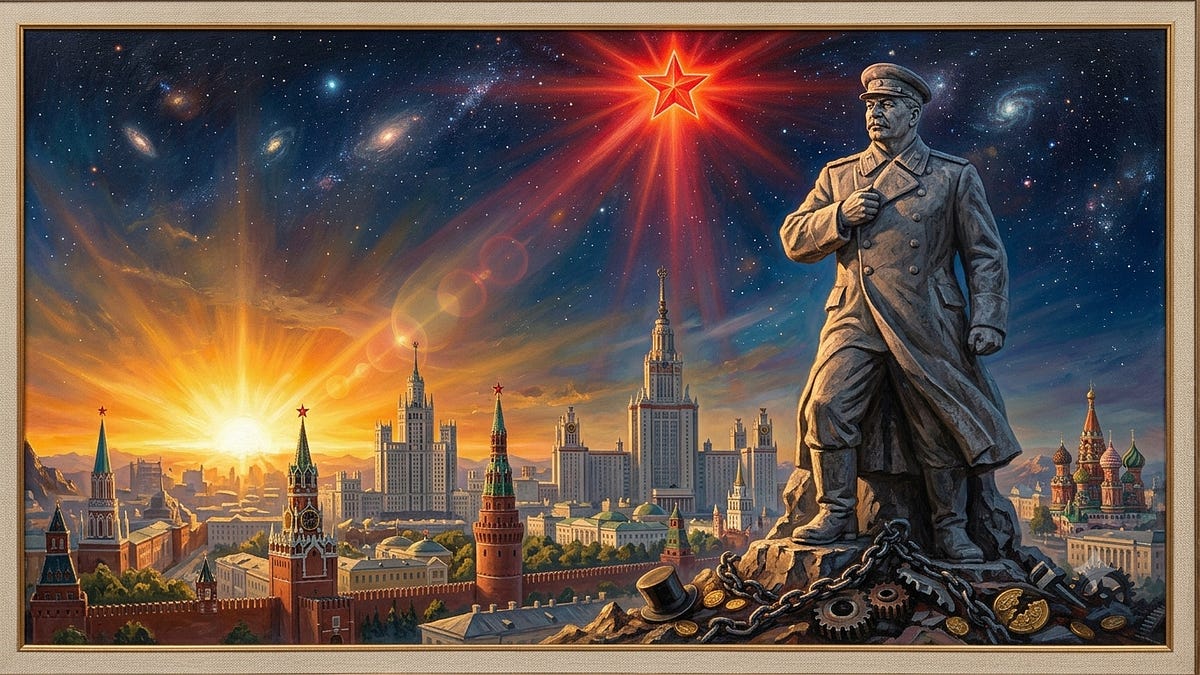
Featured image source
Global Research is a reader-funded media. We do not accept any funding from corporations or governments. Help us stay afloat. Click the image below to make a one-time or recurring donation.











.png)




.jpg)


 English (US) ·
  French (CA) ·