

 1 day ago
20
1 day ago
20
PROTECT YOUR DNA WITH QUANTUM TECHNOLOGY
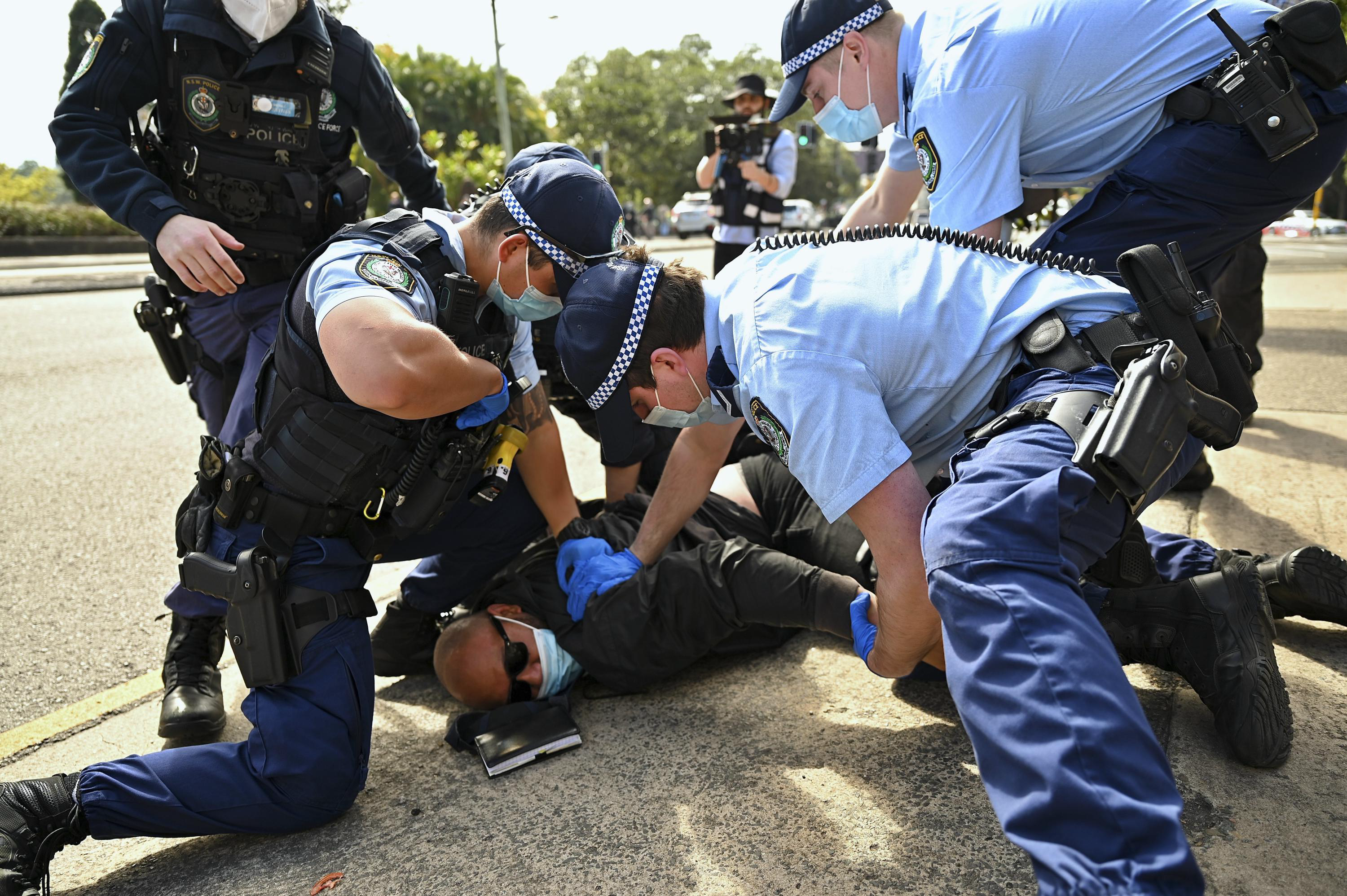
Orgo-Life the new way to the future Advertising by AdpathwayAs violence by Israeli settlers against Palestinians in the West Bank has escalated, often with the acquiescence or support of Israel’s military, and the Israeli government has increasingly constricted Palestinian daily life, the potential for a new intifada — or uprising — has intensified. The first Palestinian intifada began in late 1987 and continued for several years. Civil society played a major role in organizing the first intifada, which started as mostly nonviolent and included economic measures such as strikes and boycotts. The second intifada broke out in 2000 and lasted into 2005. It was much more violent than the first uprising, reflecting disillusionment with the peace process, increasing Israeli restrictions on Palestinians, and the rise of Hamas as a major political actor. The situation did not improve for Palestinians after 2005, and poor conditions in the West Bank have dramatically deteriorated since the current Israeli government took office in late 2022, particularly after the Hamas-led attacks of Oct. 7, 2023 — producing significant potential kindling for a new intifada.We asked four experts about what might spark an intifada in the West Bank, what might prevent it, and what a new uprising might look like.Read more below.Nathan Brown Professor of Political Science and International Affairs at George Washington University“Intifada” can describe very different phenomena, but any sustained uprising requires some form of organization. The first intifada drew on decades of local, associational, and factional organizing and was broadly popular in form, with widespread participation and strong social solidarity. The second quickly became what Palestinians themselves called “militarized,” dominated by armed groups and leaving much of the population as spectators, whether supportive or not. Conditions in the West Bank today are far worse than in either 1987 or 2000, with virtually no sense of a political future. There is no shortage
Members-Only Content
This article is reserved for War on the Rocks members. Join our community to unlock exclusive insights and analysis.









.png)




.jpg)

 English (US) ·
  French (CA) ·