

 7 hours ago
6
7 hours ago
6
PROTECT YOUR DNA WITH QUANTUM TECHNOLOGY
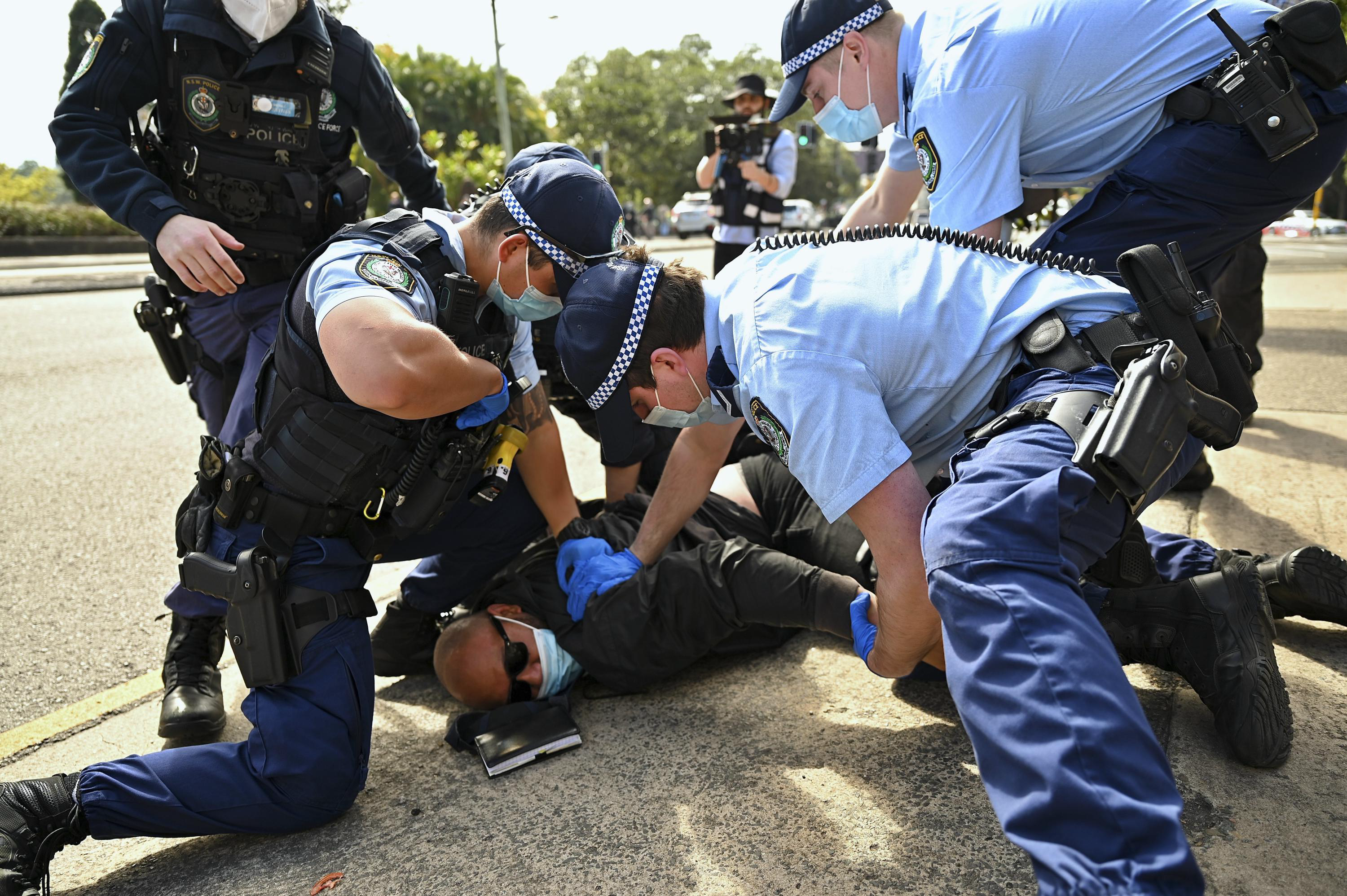
Orgo-Life the new way to the future Advertising by AdpathwayThe tumultuous events surrounding federal immigration enforcement in Los Angeles underscore a growing rift between federal and state authorities, fueled by escalating tensions and violent protests. Over the weekend of June 7–9, 2025, chaos erupted as demonstrators clashed with U.S. Immigration and Customs Enforcement (ICE) agents, resulting in injuries and significant property damage. The deployment of California National Guard troops marked a dramatic federal intervention in what started as a local matter.
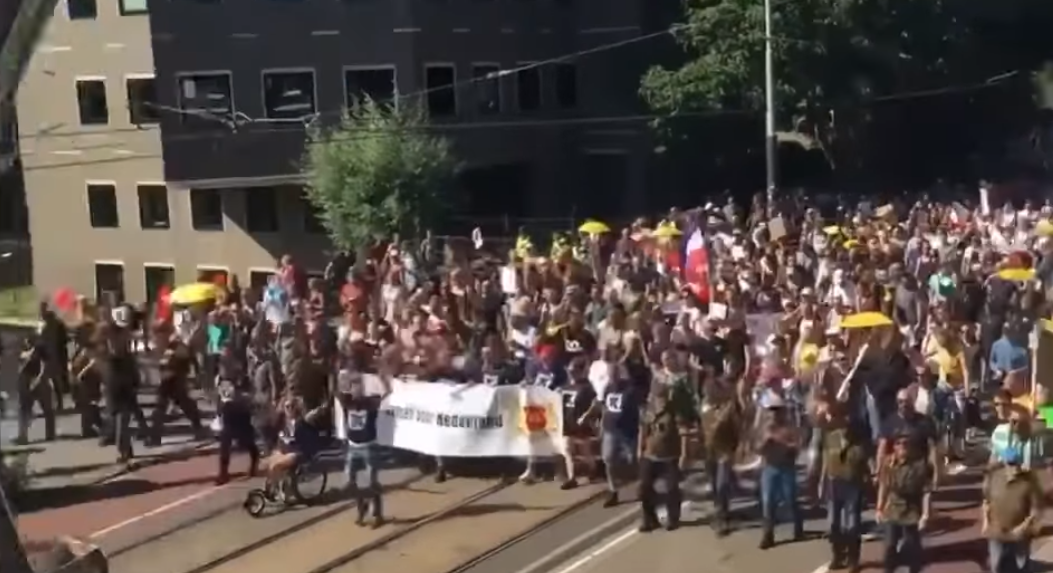
The protests began in response to ICE raids targeting undocumented individuals, which unfolded in both Paramount and downtown Los Angeles. Federal officials reported over 100 arrests as part of an intensified campaign under the Trump administration to enforce immigration laws and target criminals. However, the federal efforts were met with fierce backlash from community groups and labor leaders, transforming a response to alleged enforcement abuses into a full-blown public outcry.
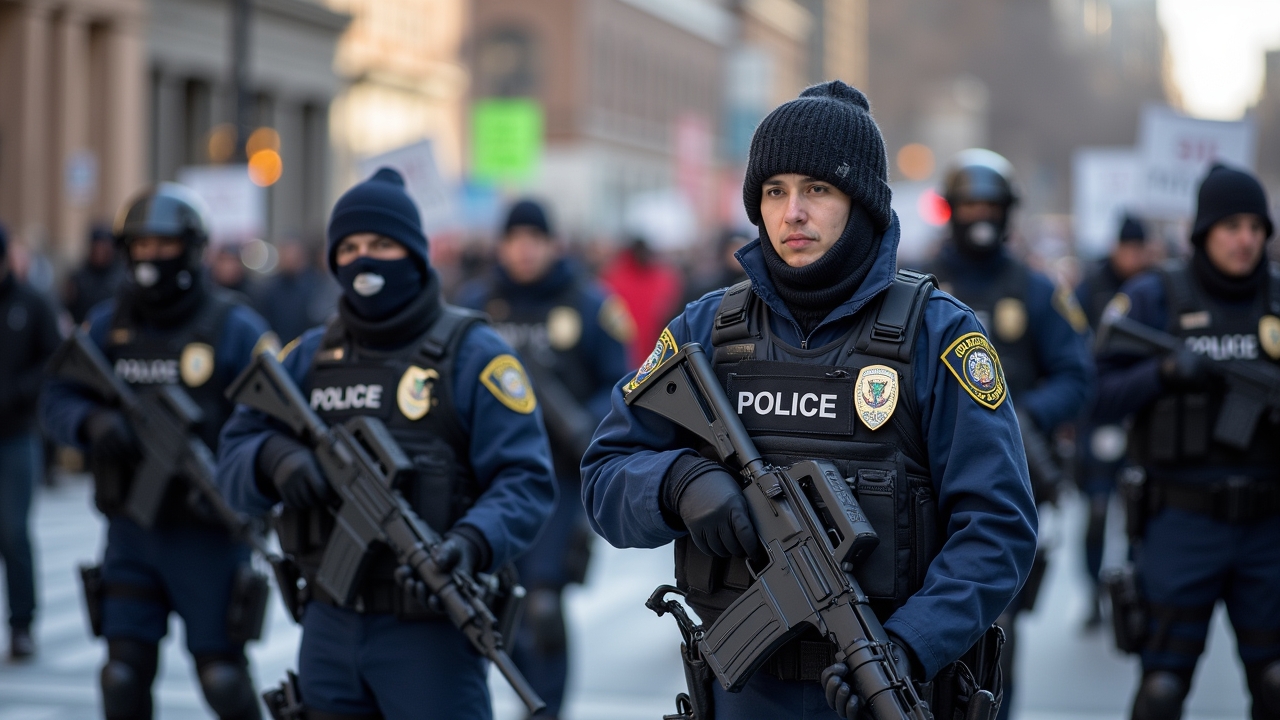
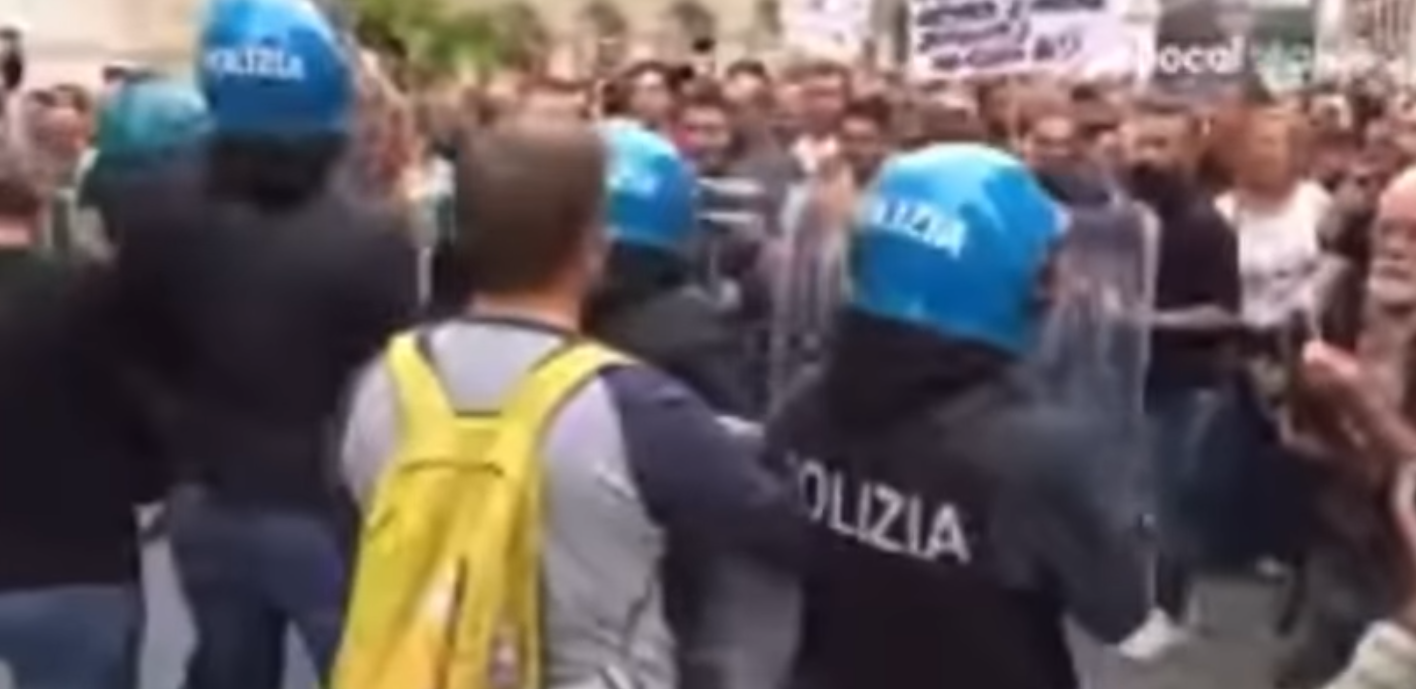
Witnesses described the scene as resembling a war zone. As protesters rallied around the federal facility, tensions flared. A viral tweet captured the chaos, noting the use of tear gas and flash-bang grenades against demonstrators armed with makeshift weapons. LAPD Captain Raul Jovel remarked, “Our officers are really under attack,” signaling the dire circumstances faced by law enforcement. The poorly organized nature of the protests quickly descended into violent confrontations, illustrating a breakdown of order and control.
The chaos peaked as federal agents retreated to protect themselves and the property they were sworn to uphold. Demonstrators launched rocks and fireworks, setting vehicles ablaze, including autonomous taxis. The severity of the situation demanded a response beyond traditional law enforcement. In an extraordinary move, President Trump called up over 2,100 National Guard troops, bypassing state officials, a decision that fueled further outrage. Governor Gavin Newsom openly criticized the deployment as “purposefully inflammatory,” claiming it undermined local authorities and exacerbated the existing tensions.
Despite the outcry from state leaders, the Trump administration remained steadfast, framing the situation as essential to halting what they termed an “invasion of illegal criminals.” This narrative highlights the administration’s view that enforcement is a pressing national security issue, while state officials argue it infringes upon local autonomy. The conflicting positions illustrate a broader discourse on federalism, immigration policy, and civil rights.
Beyond the immediate violence, the legal ramifications of this deployment were significant. Local government officials considered legal challenges to the federalization of the National Guard, a move historically reserved for dire situations. As tensions mounted, the FBI issued warnings to anyone obstructing law enforcement efforts and began adding protesters to their Most Wanted list. U.S. Attorney Bill Essayli’s remark, “The violence witnessed over the last 72 hours cannot go unanswered,” encapsulates the federal resolve to pursue accountability amidst the unrest.
The broader implications of these events also speak to heightened enforcement goals. The Trump administration has expressed ambitions to deport up to 1 million undocumented residents by the end of 2025. This commitment to strict immigration enforcement has led to one of the most considerable domestic military deployments in recent history in response to civil discontent, further entrenching division across political lines.
The aftermath of the protests bears witness to the financial and social impact on city infrastructure, with early damage estimates exceeding $2 million. As both sides prepare for potential legal battles, the profound breach between ICE and community sentiment remains evident, emphasizing that these clashes are symptomatic of deeper struggles over immigration policy and civil rights.
The violent protests in Los Angeles reveal critical fissures in the relationship between federal authority and local governance, with significant implications for both policy and public sentiment. The actions taken in response to the weekend’s chaos signal that the struggle over immigration enforcement will likely endure, evolving in complexity as new legal and political battles emerge.
"*" indicates required fields










.png)

.jpg)

 English (US) ·
  French (CA) ·