

 1 month ago
35
1 month ago
35
PROTECT YOUR DNA WITH QUANTUM TECHNOLOGY
Orgo-Life the new way to the future Advertising by AdpathwayThe recent unrest in Newark, New Jersey, where a peaceful protest devolved into violence, highlights significant challenges in law enforcement’s approach to crowd management. The situation escalated quickly, prompting a rapid response from police, including mounted officers. This decision reflects broader concerns surrounding police tactics and public safety.
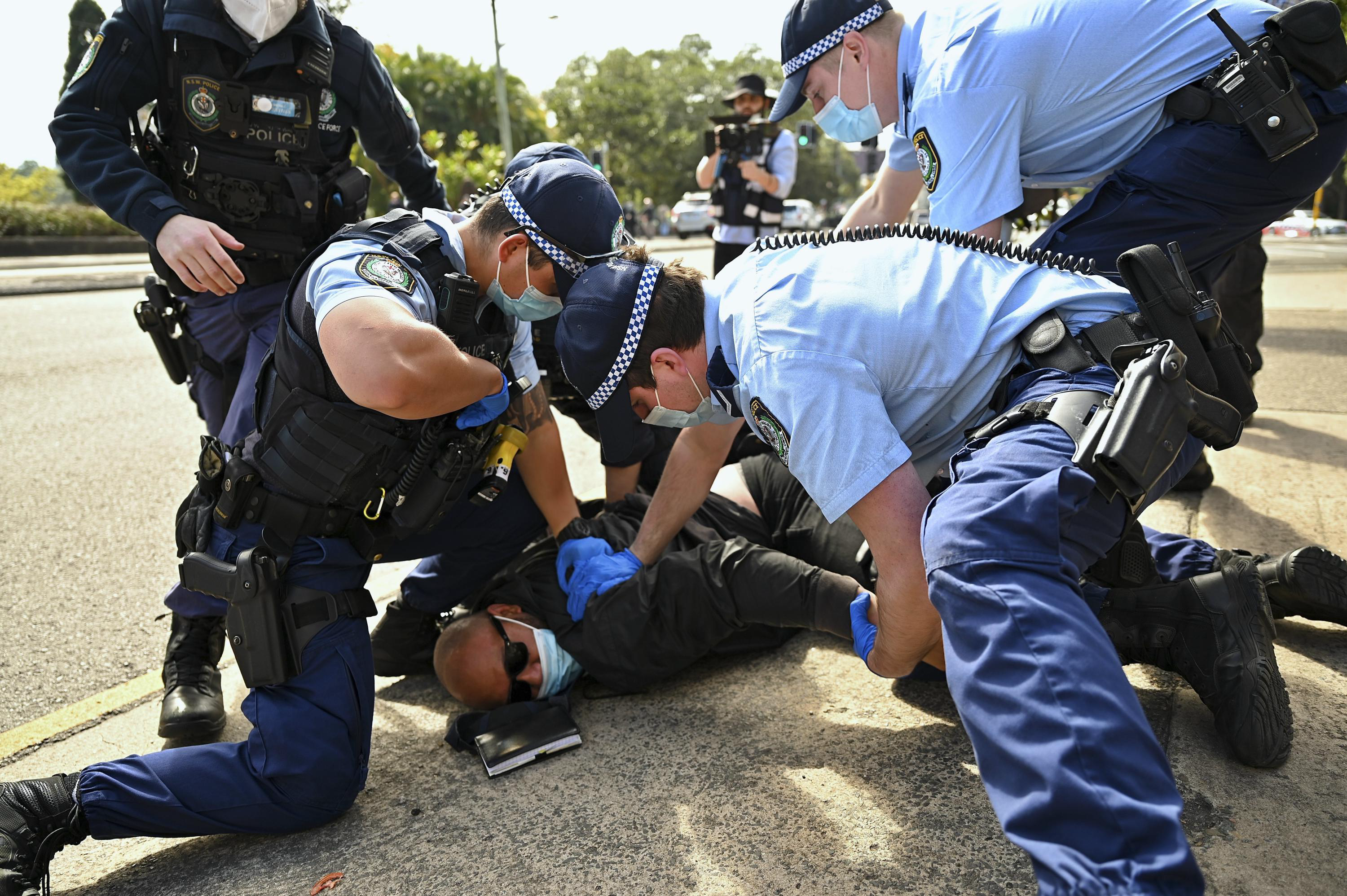
Initially, the protest served as an outlet for community voices on socio-political issues, reflecting the necessity for citizens to express their concerns. However, as tensions simmered, the environment shifted dramatically. Reports indicate that some participants resorted to assaults on law enforcement, forcing police to escalate their response to restore order.
A pointed comment on social media encapsulated the chaos: “Leftist rioters started assaulting New Jersey police in Newark so they CHARGED THEM ON HORSEBACK.” This tweet reflects the swift actions taken by law enforcement and underscores the public’s fascination with dramatic police confrontations. Such commentary speaks to how these incidents resonate within the broader societal narrative regarding protests and law enforcement responses.
Law enforcement’s decision to use mounted units is not unusual. This tactic is viewed as an effective means of managing large crowds, offering a visual deterrent against potential violence. In Newark, where past protests have resulted in clashes, deploying mounted officers may seem a necessary step to ensure both crowd control and public safety. Critics of this approach, however, often cite concerns that such displays of force can aggravate tensions rather than resolve them.
For police officers directly engaged in crowd management, the use of horses represents a strategic choice informed by the unpredictable nature of large gatherings. When faced with possible disorder, displaying strength can deter further violence. Newark’s historical context reveals that similar measures in the past have been crucial in managing protests that threatened to spiral out of control.
This incident underscores a pivotal dialogue regarding the relationship between law enforcement and the communities they serve. Cities like Newark have witnessed numerous protests centered around pressing societal issues, particularly racial justice. The latest events accentuate the delicate balance police must navigate between upholding public safety and respecting individuals’ rights to peaceful assembly.
The presence of mounted police can evoke mixed feelings within communities. Observers express that while these units maintain order, they may also project an intimidating image that alienates some individuals. This ongoing conversation about policing strategies reflects a deeper inquiry into how best to manage public demonstrations in ways that enforce laws while fostering community relations.
The implications of this incident extend far beyond Newark. Nationally, police departments are re-evaluating their strategies for managing protests, adapting training programs to emphasize both preparedness and community engagement. Striking the right balance—ensuring officer safety while minimizing escalation—is an ongoing priority for law enforcement across the country.
The aftermath of the Newark incident may catalyze further discussions among city leaders and policymakers regarding improvements to law enforcement protocols. Collaborating with community stakeholders is essential to develop policies that address the root causes of unrest and enhance trust in police forces. Creating a shared framework can help mitigate conflicts and boost community relations.
The tactics employed in Newark highlight the persistent difficulty for law enforcement agencies: finding the line between necessary force and excessive intimidation. As cities deal with these intricate dynamics, lessons learned from such events will inform future strategies and contribute to the national dialogue on effective policing.
In conclusion, the Newark incident exemplifies the crucial role law enforcement holds in preserving public order, particularly during tumultuous times. The manner in which police departments manage this responsibility remains a focal point for ongoing public discourse and policy considerations in the future.
"*" indicates required fields










.png)





.jpg)


 English (US) ·
  French (CA) ·