

.jpg) 1 day ago
8
1 day ago
8
PROTECT YOUR DNA WITH QUANTUM TECHNOLOGY
Orgo-Life the new way to the future Advertising by AdpathwayOur editors curate highly rated brands that are first assessed by our rigorous ratings system. Buying through our links may earn us a commission—supporting the work we do. Learn more.
Adidas is one of the world’s biggest activewear brands alongside competitor Nike, and both are rated “It’s a Start” by Good On You, showing neither is taking enough action on key sustainability issues given their power and influence. So what does Adidas’ record look like for environmental impact, labour rights, and animal welfare? Let’s unpack what the publicly available evidence shows us.
This article is based on the Adidas rating published in January 2026. It may not reflect claims the brand has made since then. Our ratings analysts are constantly rerating the thousands of brands you can check on our directory.
Is Adidas ethical?
Adidas began in 1949 in Bavaria, Germany, and was founded by Adolf Dassler, the brother of Puma founder Rudolf Dassler. Since then, it has grown into the one of the world’s largest sportswear brands in the world after Nike. Adidas is known for its iconic Stan Smith sneakers, three-stripe logo, ongoing collab with Stella McCartney, and its activewear that is worn by athletes all over the world.
The public evidence that our experts have reviewed shows the brand is not doing enough to address key sustainability issues across its supply chain, with a middling “It’s a Start” rating when scored against our methodology. Puma, the brand’s competitor, rates “Good” in our most recent review, which shows that brands with a similar size and heritage can certainly do better. So why isn’t Adidas up there too? The brand has at least improved from “Not Good Enough” in our most recent review, but it needs to do more. Read on to find out the key areas where Adidas needs to improve its sustainability.
Environmental impact
Adidas rates “It’s a Start” for the environment, which remains unchanged from the last time we reviewed its efforts. It uses a medium proportion of lower-impact materials, and it publishes an aggregate breakdown of materials used. But given the prominence of synthetics and chemical treatments in activewear—the brand’s specialism—we’d expect to see it having adopted a wider range of lower-impact alternatives to conventional synthetics to combat the unsustainability of fabrics like virgin polyester.
Earlier in 2026, the brand’s advertisement promoting “recycled running shoes” was banned in the UK after the Advertising Standards Agency found the claim to be too vague. The Guardian reported that Adidas confirmed it did not, in fact, have a recycled running shoe range but that certain products across its collections might incorporate recycled materials. The brand also said it held internal product documentation to confirm such claims, but if that evidence isn’t public, how can its customers really understand what they’re buying? Adidas capitalised on the use of lower-impact materials without doing the deep work to provide proper assurances to those spending their money on its products.
There's still no evidence that Adidas has policies to protect biodiversity in its supply chain—a key issue in our methodology.
Adidas has set a science-based target to reduce greenhouse gas emissions in both its direct operations and supply chain, and has published information about its progress, claiming it is on track. This is good: disclosing progress towards targets is an important aspect of transparency and remaining accountable.
There’s still no evidence to suggest Adidas has policies to protect biodiversity in its supply chain—a key issue in our methodology, and something we flagged last time round, too.
Labour conditions
Adidas’s labour rating remains “Not Good Enough”, indicating it is behind on critical industry issues. People are the backbone of the fashion industry, and brands need to take tangible actions to protect workers. Our methodology rewards brands that provide fair and safe working conditions over the brands that simply audit suppliers.
Adidas has a project to improve wages in its supply chain and pays some workers in the final stage of production a living wage, but this is far from where we’d expect a global brand’s progress to be. It was one of the lowest-scoring brands in the latest edition of Clean Clothes Campaign’s living wage monitoring project, Fashion Checker, which is disappointing.
The brand has published some details of its suppliers in the second and final stages of production, but a better approach would be to disclose details of those deeper in the supply chain, too, since the primary stage is often harder to track and ensure fair treatment of the workers involved. Our research also showed that the brand could strengthen the rights of those working for its suppliers, as we noted that less than 50% of its suppliers have democratically elected unions or effective collective bargaining agreements in place. Given the historical labour rights violations in the brand’s supply chain, such as wage theft in Cambodia, ensuring workers’ rights ought to be a key focus area. Adidas does at least provide a confidential complaints mechanism for workers in its supply chain to report suspected modern slavery.
Animal welfare
Adidas’ animal rating stands at “It’s a Start”, and it has a formal animal welfare policy (though it’s not aligned with Five Freedoms).
The brand does not use fur, exotic animal hair, or angora, and in 2025, it halted the use of kangaroo leather in its sneakers, which is a positive step. But it is still using down, wool, cashmere, and leather, some of which are recycled or certified alternatives to conventional animal-derived materials. Notably, though, at the time of our last rating review the brand hadn’t made any public commitments to certifying its leather production, which would be a good next step for its animal welfare actions.
We know the brand can take effective action in this area because it has already done so: it does not source wool from mulesed sheep and has made public commitments to avoiding it, including signing Four Paws Letter of Intent not to use wool from mulesed sheep.
Overall rating: ‘It’s a Start’
Adidas has shown that it is making some progress since its last rating review, but we know it could go further.
We’d like to see Adidas strengthen its workers’ rights, and its attention and disclosures about its supply chain and the factories involved. And where animal welfare is concerned, we need to see further action on ensuring its animal-derived materials are at the very least recycled or certified, and at best, non-animal alternatives are found that don’t involve the cruelty associated with down and leather. We’ve seen Adidas ban kangaroo leather and take a stance on wool from mulesed sheep, so we know it is capable of making positive steps here.
It’s worth noting that while we believe Adidas can do better, our “It’s a Start” rating signals the brand is taking some action, so you shouldn’t feel bad if you own items from the brand. And it certainly doesn’t mean you should get rid of them: on the contrary, cherish what you already own because keeping clothes for longer is one of the most sustainable things you can do.
Note that Good On You ratings consider hundreds of issues and it is not possible to list every relevant issue in a summary of the brand’s performance. For more information see our How We Rate page and our FAQs.
If you want to shop more in line with your values, Good On You recommends you support brands that embrace a slow fashion model. We’ve rounded up a few of our favourite similar brands to Adidas.
Good swaps
Here’s our list of “Good” and “Great”-rated brands you could consider as alternatives to Adidas.
Purusha People

Purusha People adds dainty details to its range of activewear. The organic plant-based pieces will wick away sweat and keep your practice at that perfect level of “chill”.
Purusha pieces are stocked in sizes XS-4XL.
Happy Earth
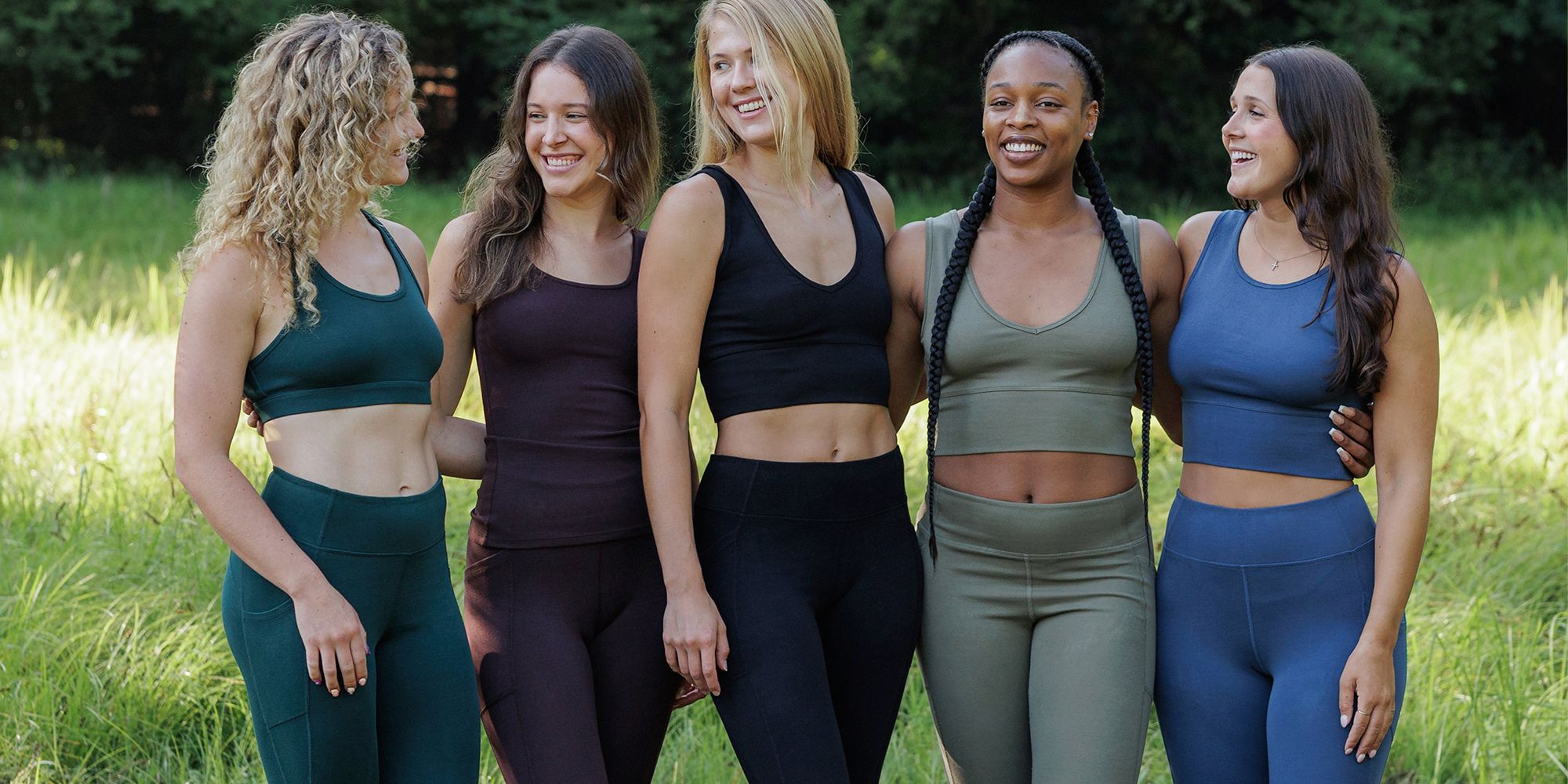
Happy Earth Apparel is a US organic clothing brand that is inspired by nature and dedicated to preserving it. Through its partnerships with non-profits and Happy Earth ambassadors, it’s planting trees, fighting climate change, and cleaning up trash.
Find most items in sizes XS-3XL.
Flamingos’ Life
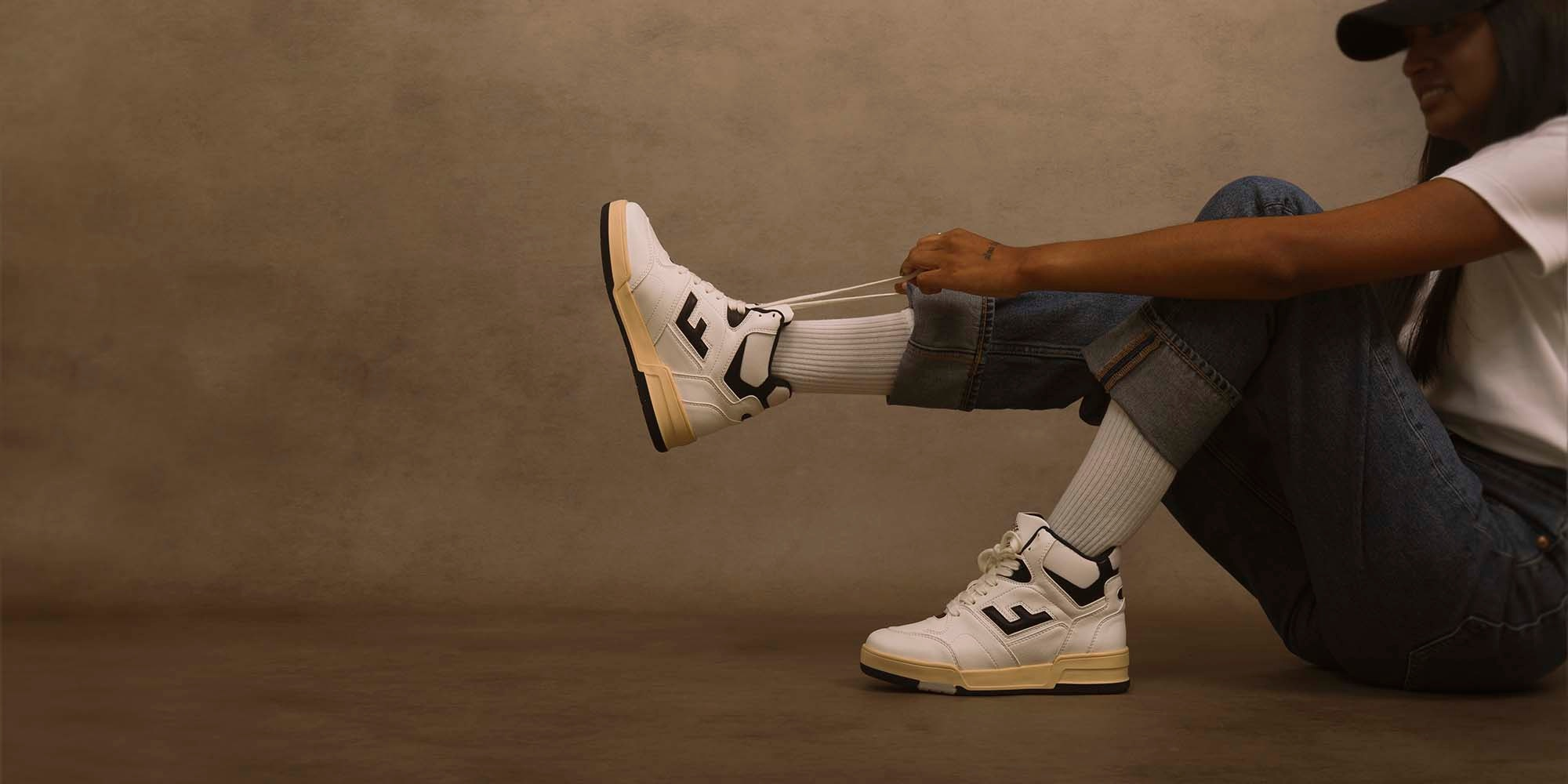
Flamingos’ Life creates sneakers that are free from animal-derived materials for everyone. The brand uses lower-impact and PETA approved vegan materials, including upcycled materials.
Find the range in sizes 36-46.
ID.EIGHT
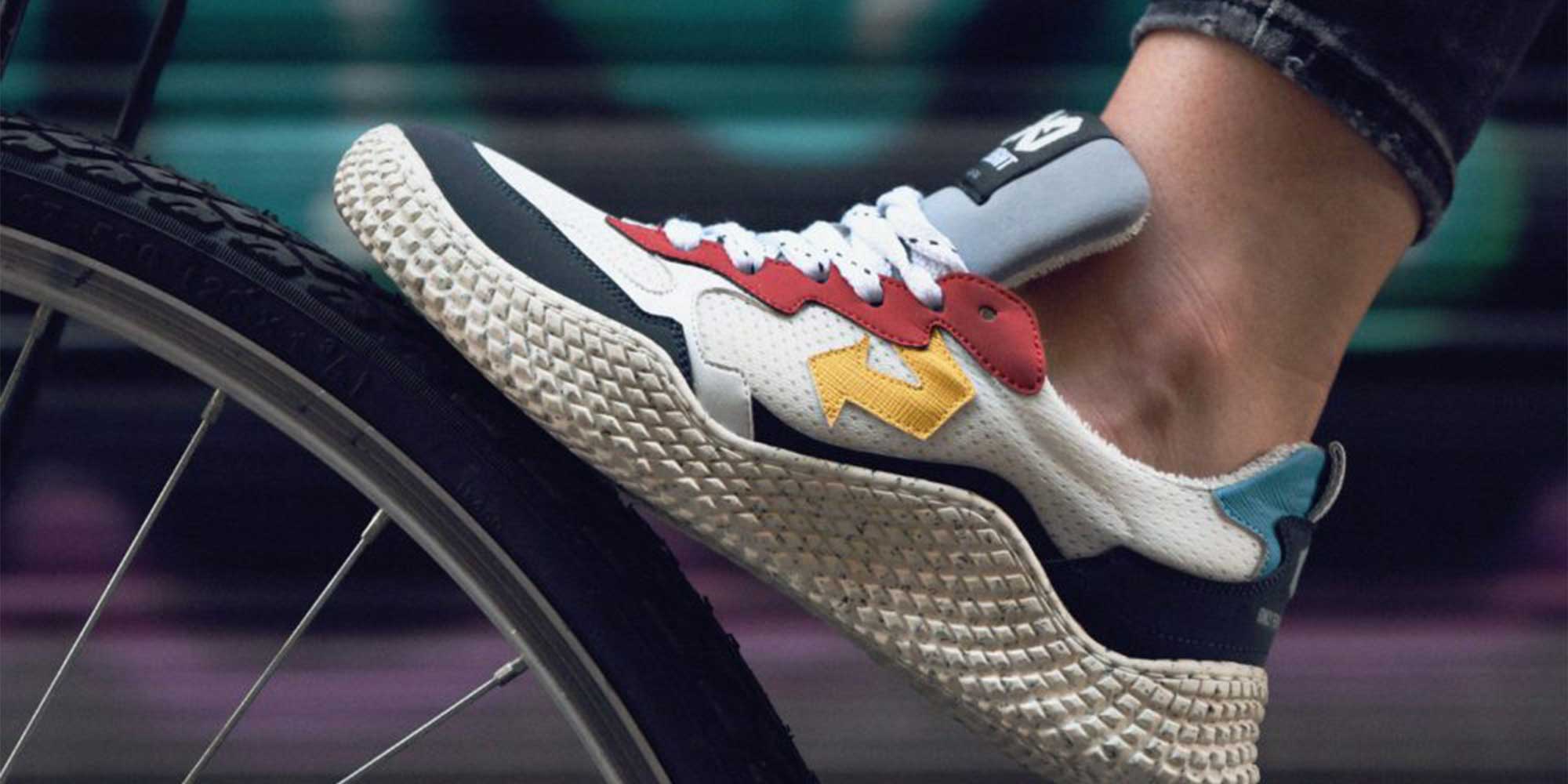
ID.EIGHT is an Italian brand that was born from the meeting between Dong Seon Lee and Giuliana Borzillo, both come from the world of footwear, where they worked and met. Together they have created a more ethical and sustainable collection of sneakers with a refined design. The shoes are made in Italy with lower-impact materials from food industry waste such as apple peels, grape stalks and seeds, and pineapple leaves, as well as recycled cotton and polyester.
Find the shoes in EU sizes 36-46.
Editor's note
Feature image via Unsplash, all other images via brands mentioned. Good On You publishes the world’s most comprehensive ratings of fashion brands’ impact on people, the planet, and animals. Use our directory to search thousands of rated brands.
We updated this article on 6 October 2026. Our editors frequently make updates to articles to ensure they’re up to date. We updated this article to reflect Adidas’ January 2026 rating review and refreshed our selection of alternatives to ensure we’ve got brands with recent ratings.










.png)






.jpg)



 English (US) ·
  French (CA) ·