

 18 hours ago
2
18 hours ago
2
PROTECT YOUR DNA WITH QUANTUM TECHNOLOGY
Orgo-Life the new way to the future Advertising by AdpathwayPeople who regularly visit museums, theaters, concerts, and movie theaters may be doing more than enjoying themselves. A new study suggests these cultural activities are associated with a younger physiological age, meaning the body may function more like that of a younger person.
The findings, published in the Journal of Epidemiology and Community Health, add to growing evidence that staying socially and culturally active could play an important role in healthy aging.
Cultural Activities and Biological Aging
Everyone grows older, but the rate at which the body ages can vary from person to person. Physiological age reflects how well the body is functioning and may differ from chronological age, which is simply the number of years someone has lived.
Previous research has linked cultural activities, such as going to the movies, museums, and live performances, with better health and well-being in older adults. However, relatively few studies have explored whether these activities are connected to physiological aging itself.
Researchers at the Institute of Science Tokyo in Japan say they have carried out the first longitudinal study to examine this relationship while accounting for unmeasured factors that remain stable over time.
How the Study Measured Aging
The team analyzed data from 1,899 adults participating in the English Longitudinal Study of Ageing, an ongoing population-based study of a nationally representative sample of adults aged 50 and older living in England.
Participants contributed data during at least two survey waves conducted in 2004/2005, 2006/2007, or 2008/2009.
To estimate physiological age, nurses measured 10 indicators of physical health, including pulse pressure, diastolic blood pressure, forced expiratory volume, hemoglobin concentration, fibrinogen, glycated hemoglobin, low-density lipoprotein (LDL) cholesterol, body mass index (BMI), grip strength, and walking speed. These measurements were combined into a single physiological age score.
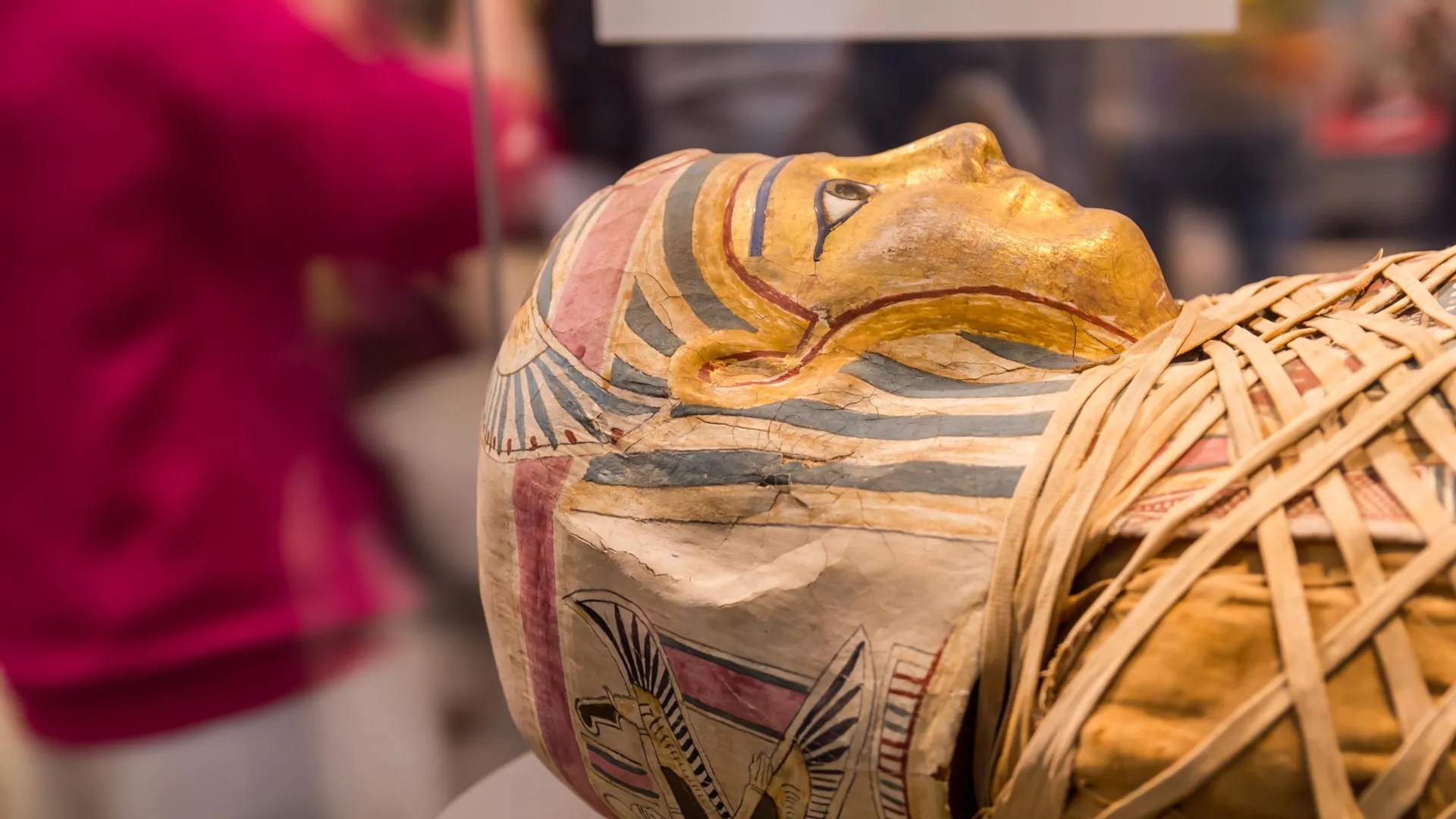
Participants also reported how often they attended (a) the cinema, (b) a museum or art gallery, and (c) a theater, concert, or the opera. Each activity was scored on a scale from 0 (never) to 5 (twice a month or more), producing a total cultural engagement score ranging from 0 to 15.
Higher Cultural Engagement Linked to Younger Bodies
People with higher levels of cultural engagement, defined as taking part in cultural activities at least every few months, had an average physiological age of 66.9 years. In comparison, those with lower levels of participation had an average physiological age of 69.9 years, a difference of about three years.
Participants with higher cultural engagement were also more likely to be women, have higher socioeconomic status, be employed, and already enjoy better overall health.
After adjusting for factors such as household income, employment, and chronic health conditions, the researchers found that each one-point increase in cultural engagement score was associated with a 0.085-year (31-day) reduction in physiological age.
Why Cultural Activities Might Matter
The researchers suggest several possible explanations for the association. Cultural activities can strengthen social connections, encourage healthier lifestyle habits, and support better mental health, all of which may contribute to slower physiological aging.
Because the research was observational, it cannot determine whether cultural activities directly slow aging. The authors also note that reverse causation is possible, meaning healthier people may simply be more able to attend cultural events.
Even so, they argue that cultural engagement is a modifiable behavior that could become an effective public health strategy. "Notably, the impact can be comparable to frequent physical activity," they write.
The researchers also say that making cultural events more geographically and financially accessible could allow more people to participate.
Additional research will be needed to determine whether encouraging greater cultural engagement leads to lasting improvements in health and healthier aging over the long term.












.png)






.jpg)



 English (US) ·
  French (CA) ·