

 7 months ago
66
7 months ago
66
PROTECT YOUR DNA WITH QUANTUM TECHNOLOGY
Orgo-Life the new way to the future Advertising by AdpathwayThe high percentage of abnormal findings among young adults underscores both a growing metabolic risk and the impact of expanded preventive screening. This trend reinforces urgent calls for early intervention and proactive care, said experts.
Dr. Harsh Mahajan, Founder and Chairman, Mahajan Imaging and Labs said, “We are witnessing a clear metabolic shift in India’s younger population. People in their twenties and thirties, who appear to be fit, appear to show early signs of insulin resistance. More of them are getting tested early, an encouraging sign that prevention is finally being taken seriously.”
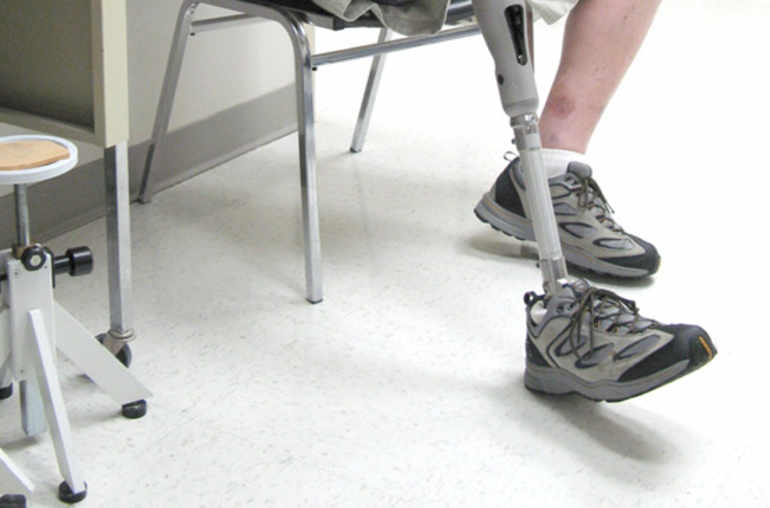
“Diabetes is not just a blood glucose value; it reflects a broader metabolic imbalance. Left unchecked, it can lead to complications such as heart attack, stroke, blindness, amputations, and fatty liver. Blood glucose, like blood pressure, can serve as an early warning sign,” he added.
Modern diagnostic tools, including fasting insulin, HOMA-IR, fructosamine, C-peptide, adiponectin and leptin, MODY genetic tests, autoantibody screening, and continuous glucose monitoring with HbA1c, allow early detection of insulin resistance and pre-diabetes.
“Integrating these tests with routine screening enables timely intervention, helping young adults prevent long-term complications,” said the Padma Shri.
“The real progress in diabetes prevention will come from integrating routine lab diagnostics with emerging molecular tools. Traditional metrics like HbA1c or fasting glucose are essential, but when combined with markers that map inflammation and metabolic stress, we start identifying risk years before diabetes sets in. This convergence of preventive pathology, genomics, and data analytics is transforming how we understand and predict metabolic disease in India’s young population,” said Dr Shelly Mahajan, Lab Director and Clinical Lead, Mahajan Imaging and Labs.
Experts say the rise in screening volumes across diagnostic centres aligns with India’s growing focus on preventive and genomic testing, both in private healthcare and through national programmes.
The government initiative, which integrates community-level screening for diabetes and hypertension, has been expanding across districts to improve early detection and disease tracking.
While traditional tests like fasting glucose and HbA1c remain central to diabetes monitoring, experts caution against an over-reliance on single markers. The emerging consensus is on a more holistic, data-driven approach that includes body composition tracking, genomic risk mapping, and metabolic profiling, not as a luxury, but as a frontline preventive strategy.
Experts said the country’s response must now focus on early risk identification, continuous monitoring, and lifestyle modification, especially among the working-age population.
“The consensus is clear that India’s youth are both the most vulnerable and the most capable of reversing the country’s diabetes trajectory through awareness, timely screening, and proactive care,” they said.













.png)






.jpg)



 English (US) ·
  French (CA) ·