

PROTECT YOUR DNA WITH QUANTUM TECHNOLOGY
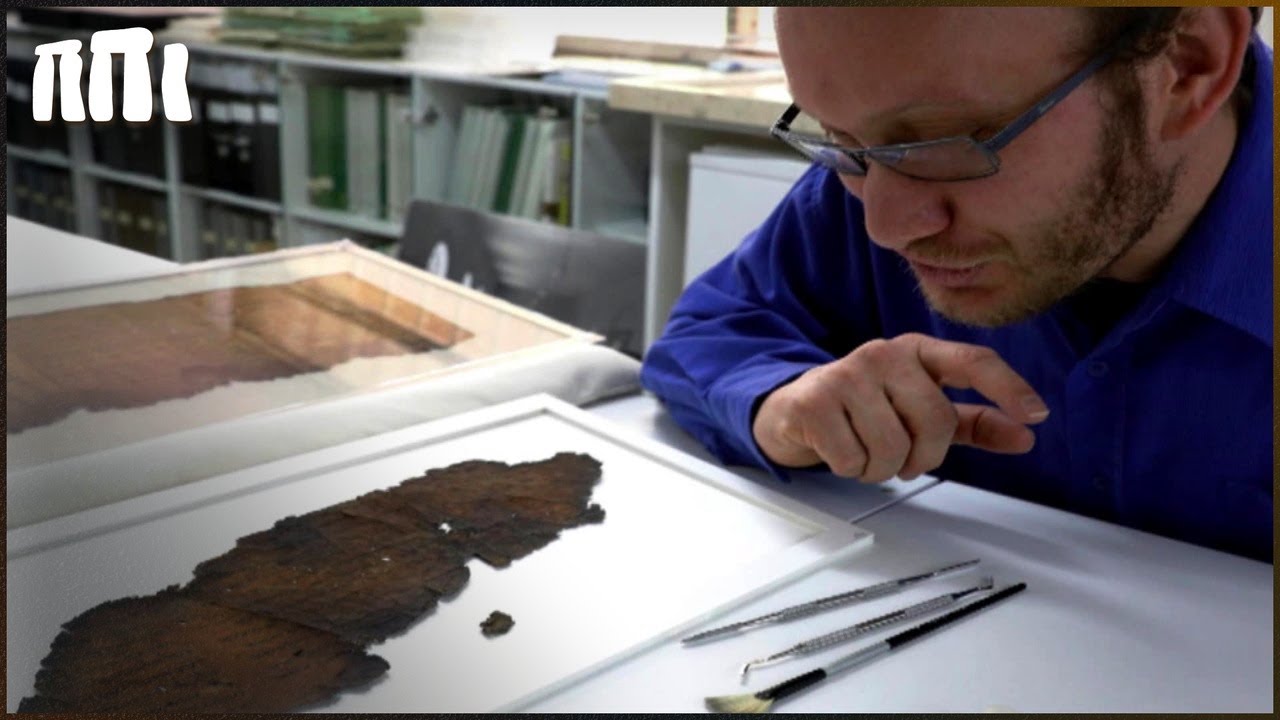
Orgo-Life the new way to the future Advertising by AdpathwaySix stone anchors by the Pillars of Hercules reignite the Atlantis debate as we track new clues in the Bronze Age collapse from Minoan tsunamis to the Indus shift. In this Mysterious Earth investigation, we examine three iconic mysteries from 3000 to 1100 BCE: the fabled Atlantis, the Minoans of Crete, and the Indus Valley. Filmmaker James Cameron, working with Simcha Yekobevichi and a team of marine archaeologists, used advanced navigation and multispectral imaging to detect six ancient stone anchors in the Strait of Gibraltar, just beyond the pillars described by Plato. Atlantis expert Professor Richard Freund says the anchors point to a major maritime trading hub 4,000 years ago outside the Mediterranean, and some researchers connect the site to mud-buried Tartessos in southern Spain. Skeptics counter that Plato’s detailed tale served his political philosophy. The search presses on as scientists comb the seafloor for definitive proof. On Crete, the Minoans built Europe’s first great Bronze Age civilization, with paved roads, running water, and the scripts Linear A and Linear B. Palaces were destroyed around 1700 BCE by forces still debated. Volcanologist Dr. Floyd McCoy argues that a massive eruption generated tsunamis; Dr. Dale Dominy Howse found deep-sea shell fossils in an inland marsh, and soil scientist Hendrik Bruins identified ocean-floor microorganisms on Santorini. Together these clues suggest waves followed the island’s earthquake and the Theora eruption around 1600 BCE, leaving Minoans vulnerable. Burned palaces, a desecrated god statue, and cemeteries with weapons mark a 50-year decline that ended with Mycenaean control by 1100 BCE. Across South Asia, the Indus Valley linked over 5 million people across 1,000 settlements, with famed baths at Harappa and Mohenja-Daro, robust trade, and city walls whose purpose is still debated. Theories range from Aryan invasions to drought or monsoon floods. New work from the Indian Institute of Technology Kanpur and Imperial College London, led by Professor Rajeev Sinha, argues a key river channel had shifted millennia earlier. Scholar Akhilesh Pillala-Mari proposes the Harappans adapted rather than collapsed, de-urbanizing, switching from wheat and barley to drought-tolerant millets and rice, and dispersing toward the Gangetic Valley. From anchors at the Atlantic’s gateway to tsunami signatures on Crete and a strategic crop pivot in the Indus, this episode tests long-held theories with fresh evidence. Which forces truly unraveled this golden age? #BronzeAgeCollapse #Atlantis #Minoans #IndusValley #Archaeology #AncientHistory #MysteriousEarth
.jpg)
.jpg)











.png)





.jpg)



 English (US) ·
  French (CA) ·