

 7 hours ago
6
7 hours ago
6
PROTECT YOUR DNA WITH QUANTUM TECHNOLOGY
Orgo-Life the new way to the future Advertising by AdpathwayAnalysis: Unrest in Los Angeles Reflects Deepening Conflict Over Immigration Enforcement
The recent turbulence in Los Angeles, marked by violent protests against U.S. Immigration and Customs Enforcement (ICE), highlights a significant fracture around the enforcement of immigration laws. The chaos from June 6 to June 9, 2025, resulted in clashes between demonstrators and federal agents, extensive property damage, and a stark display of law enforcement’s escalating response.
Initially, protests emerged as emotional reactions against ICE raids targeting undocumented individuals across Los Angeles County. Raids on neighborhoods with sizeable Latino populations ignited immediate backlash, as indicated by the rapid convergence of large crowds near federal facilities. The LAPD faced overwhelming challenges, with Captain Raul Jovel noting, “We’re trying to get into that posture where we’re able to make arrests right now. Our officers are really under attack.” This encapsulates the sense of urgency and peril faced by local law enforcement in a situation that quickly spiraled out of control.
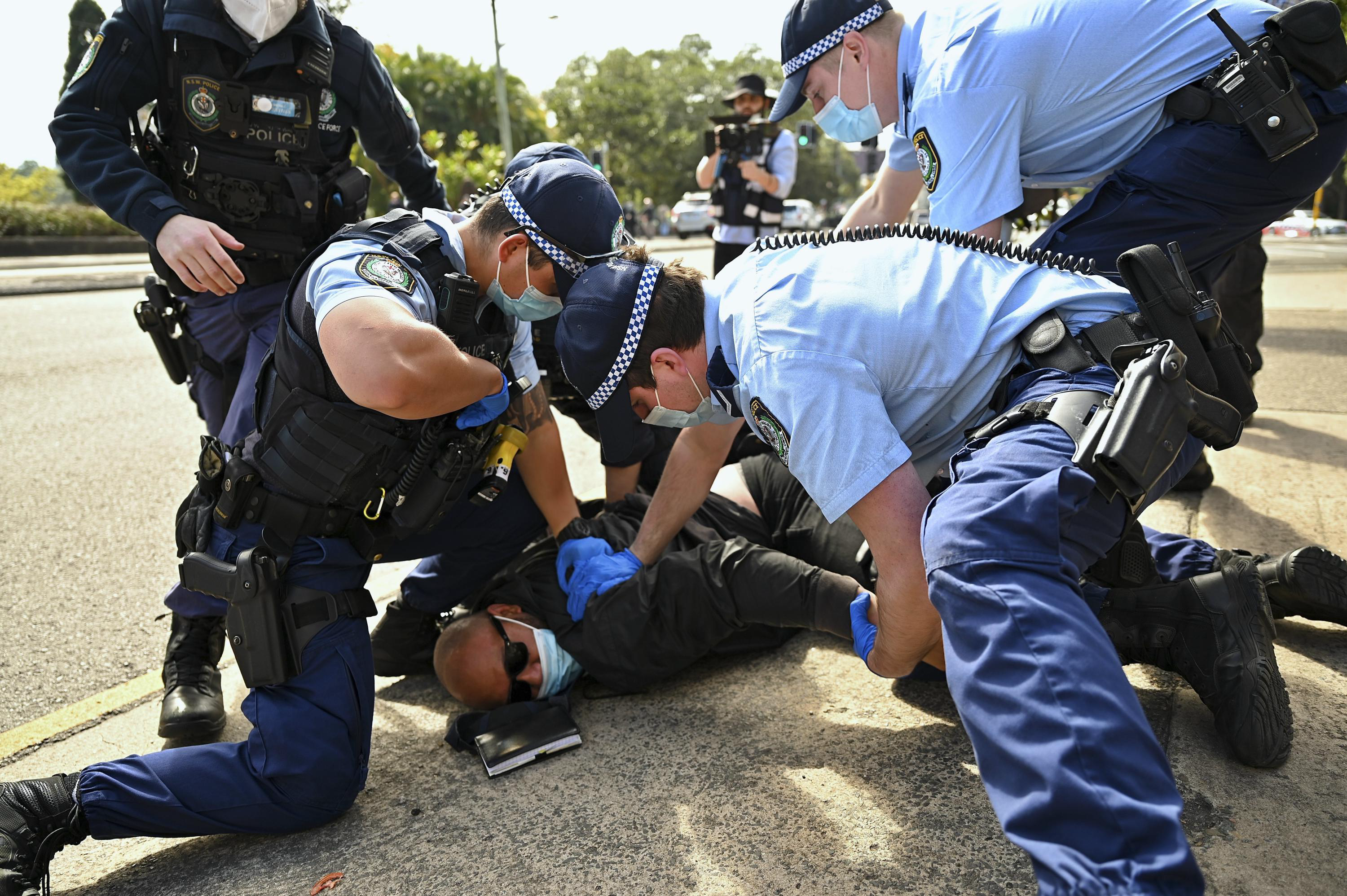
Footage circulating on social media painted a vivid picture of the unrest. Protesters hurled rocks and other dangerous objects at law enforcement. These violent actions prompted a more aggressive law enforcement response, including the deployment of crowd-control measures such as tear gas and rubber bullets. The 56 arrests over that tumultuous weekend reveal the severe escalation of hostilities aimed at federal officers. Charges ranged from misdemeanors to grave felonies, illustrating the gravity of the situation.
However, beyond being mere instances of civil disobedience, these protests exhibited a disregard for law and order. U.S. Attorney Bill Essayli’s warning to potential rioters—“We will identify you. We’ll find you, and we’ll come get you”—sets the stage for a determined federal pursuit of justice. The FBI’s commitment to utilizing surveillance to identify suspects for federal prosecution further highlights the government’s resolve to crack down on what they deem as criminal behavior that jeopardizes public safety and government property.
In the political arena, the response from President Donald Trump and federal authorities signaled a significant escalation, with the call for immediate military intervention marking a firm stance against the perceived domestic threat. The Pentagon’s decision to maneuver active-duty Marines into Los Angeles underlines the seriousness with which the administration views these incidents; this military involvement is not an everyday practice for domestic civil unrest and raises serious concerns about governance and law enforcement. Trump’s post on Truth Social—“BRING IN THE TROOPS”—indicates a readiness to employ heavy-handed tactics in response to what he labeled as “domestic terrorism.”
Neighboring state officials rebuked the federal escalation, emphasizing a contrasting approach to the situation. Governor Gavin Newsom’s remarks—that the deployment was an attempt to “manufacture a crisis”—reflect his worry over federal overreach into state matters. The governor’s lawsuit, claiming the federalization of the California National Guard violates federal statutes, illustrates rising tension between state sovereignty and federal authority. Mayor Karen Bass’s sentiments echo this, as she expressed a strong belief that additional military presence was unnecessary.
Community concerns have further intensified, especially in areas heavily populated by Latino residents. Activists argue that ICE operations often target individuals with no criminal records, creating fear among families and potentially separating them. David Huerta, president of SEIU California, voiced these fears directly, highlighting the human toll of aggressive immigration enforcement: “These raids tear families apart and terrorize neighborhoods.” This perspective reveals a growing unease about the interplay between law enforcement and civil rights in communities that feel vulnerable. School districts took notice, amplifying security to protect children caught in the turmoil, as Superintendent Alberto Carvalho cautioned about the risks associated with heightened enforcement operations near school campuses.
The legal ramifications of federal actions also loom large. U.S. District Judge Charles Breyer’s recent ruling, suggesting that President Trump’s federalization of National Guard units may be “likely illegal,” adds a layer of complexity to the ongoing struggle between different levels of government. The Ninth Circuit’s handling of this case will likely be pivotal in shaping future responses to similar crises, particularly regarding the permissible extent of military force in domestic situations.
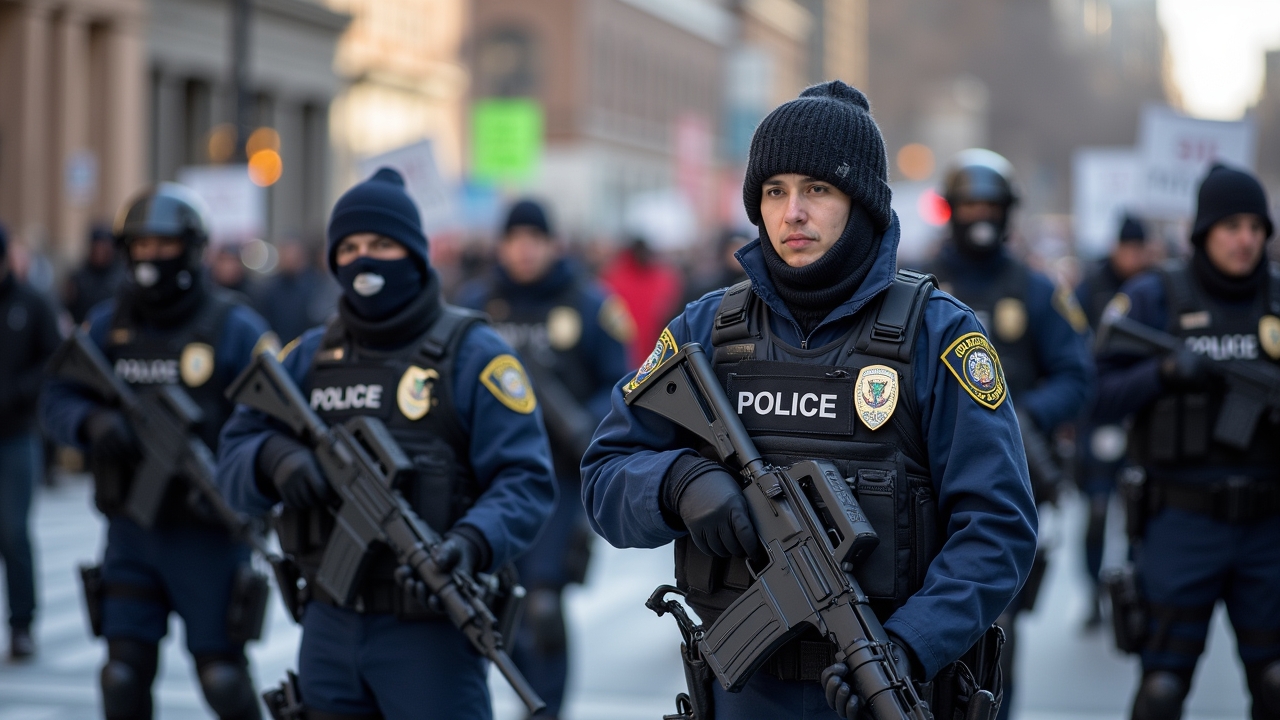
In sum, the events in Los Angeles encapsulate broader national debates about immigration policy, law enforcement, and individual rights. As visuals of burning vehicles and law enforcement in riot gear dominate the narrative, the urgency of regaining control becomes clear. As articulated by a federal officer amidst the turmoil, “It’s not about making arrests anymore—it’s about regaining control.” This sentiment resonates deeply, reflecting a turbulent juncture where the enforcement of the law clashes with community perspectives and raises critical questions about governance and authority in the United States.
"*" indicates required fields







.png)

.jpg)

 English (US) ·
  French (CA) ·