

 11 hours ago
2
11 hours ago
2
PROTECT YOUR DNA WITH QUANTUM TECHNOLOGY
Orgo-Life the new way to the future Advertising by AdpathwayAnalysis of Don Lemon’s Arrest Following Anti-ICE Protest
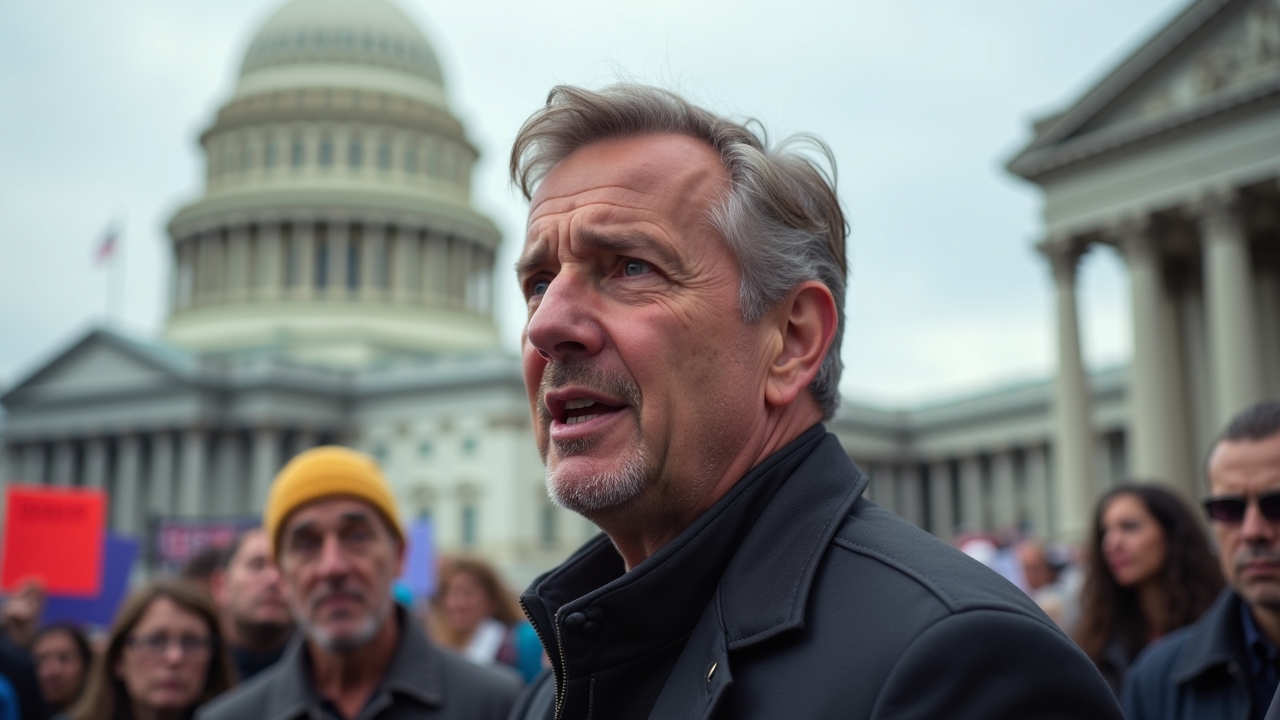
Don Lemon’s arrest highlights a growing and contentious intersection between activism, journalism, and the law. The former CNN anchor was taken into custody by federal agents in Los Angeles after attending an anti-ICE protest in St. Paul, Minnesota, that disrupted a church service. This incident is far more than just an arrest; it raises questions about the limits of press freedom amidst increasingly bold protest tactics.
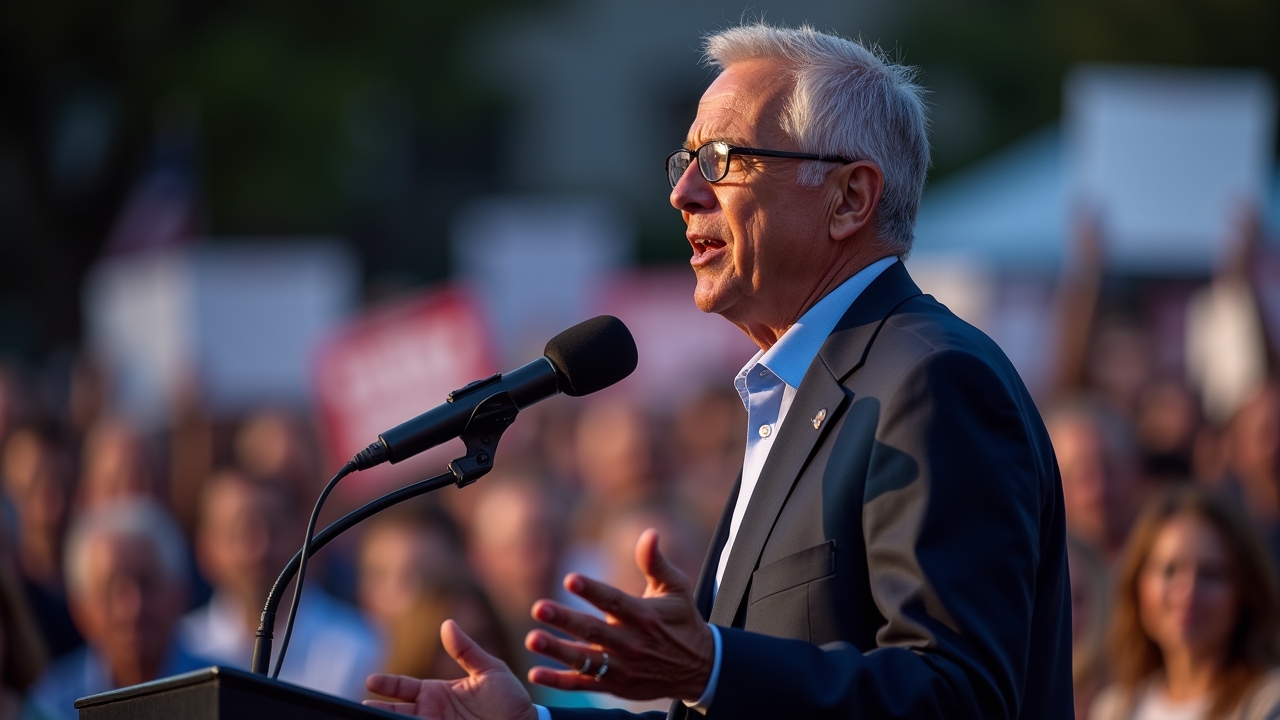
The protest at Cities Church had a clear motive, aiming to pressure the pastor, affiliated with ICE, to step down from his post. Activists viewed their demonstration as a “moral stand” against what they described as the criminalization of immigrant communities. Nekima Levy Armstrong, one of the protest organizers, articulated this sentiment, claiming the event was about confronting injustices. However, federal authorities saw it differently. They argued that the First Amendment does not permit individuals to disrupt religious ceremonies. The Department of Justice’s firm stance was encapsulated in their statement: “A house of worship is not a public forum for your protest.”
This led to significant legal implications for not just Lemon, but also the others arrested. The DOJ’s condemnation of the protest underscores a key principle: interfering with religious practices is not protected under federal civil rights laws. Justice officials indicated that despite the protesters’ intentions, legal and ethical lines had been crossed. This sentiment was echoed by Attorney General Pam Bondi, who expressed zero tolerance for attacks on places of worship.
Lemon’s defense claims his actions were justified under the First Amendment. His attorney, Abbe Lowell, stated, “The First Amendment exists to protect journalists whose role it is to shine light on the truth and hold those in power accountable.” This defense poses a significant question: Where does journalism end and activism begin? Legal experts warn that the outcome may hinge on the intent behind Lemon’s actions. Did he merely observe as a journalist, or was he complicit in the protest? This ambiguity complicates the matter significantly.
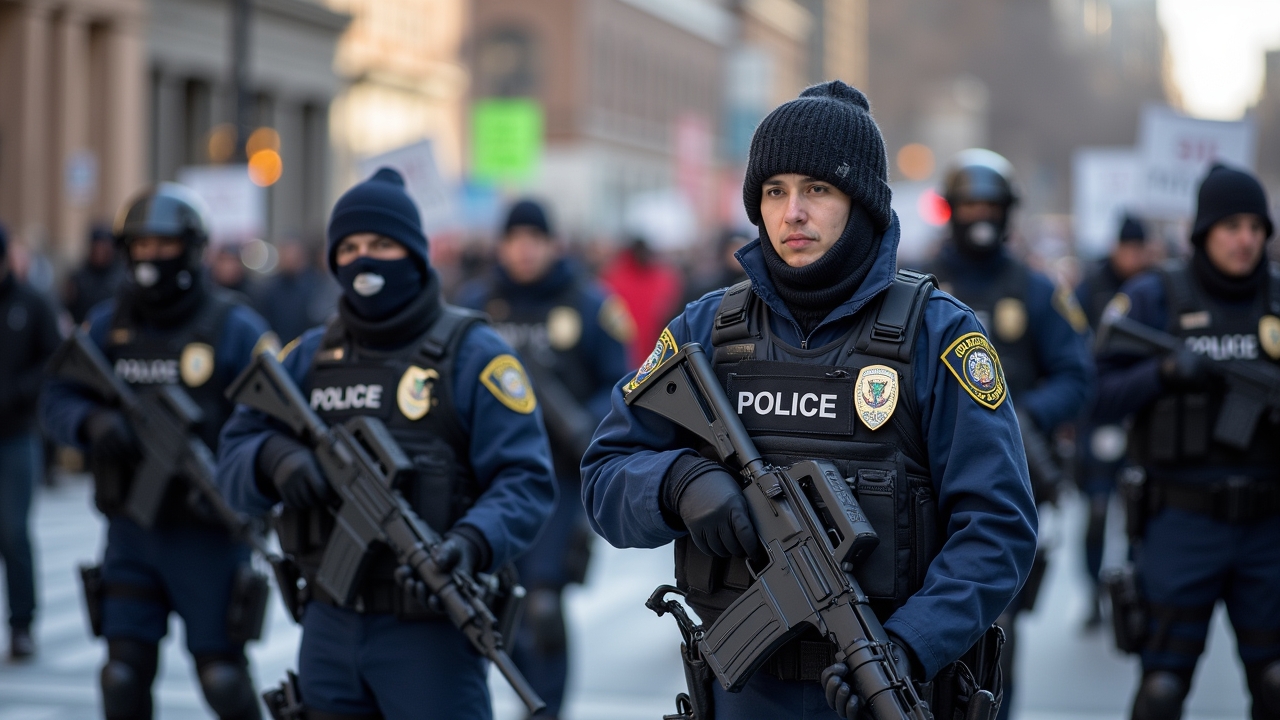
The case is further complicated by the backdrop of rising tensions surrounding immigration enforcement and civil rights. The Department of Homeland Security has reported significant increases in border encounters, leading to heightened scrutiny of ICE’s actions. Demonstrations, such as “No Work, No School, No Economy,” have emerged as a direct challenge to these operations, leading to more aggressive tactics from activists. This situation creates a charged atmosphere where the rights of individuals, particularly around religious practices, face scrutiny against the backdrop of political movements.
The involvement of politicians, including Congresswoman Ilhan Omar, adds another layer to the narrative. Omar condemned the arrests, labeling them a violation of the Constitution. This response illustrates the divide over immigration policies and the legitimacy of protest methods, especially among lawmakers. It also indicates that this issue resonates clearly within political spheres, further polarizing public opinion.
Public reactions, notably from figures like conservative commentator Matt Walsh, reinforce a more hardline stance on the issue: “Invading a house of worship for a political protest is against federal law.” Walsh’s sharp words reflect a broader sentiment that underscores respect for places of worship, emphasizing that no political cause should justify such actions. This resonates with traditional views valuing the protection of sacred spaces from exploitation.
This incident serves as a pivotal moment for both activists and journalists. It is a litmus test for how far press freedoms extend when reporters become embroiled in protests that may infringe on the law. As legal proceedings for the arrested individuals unfold, the definitions of journalistic integrity and civility in protest will likely come under intense scrutiny.
Don Lemon’s arrest is not simply a legal matter; it is emblematic of a broader cultural clash involving immigration, civil liberties, and the boundaries of protest. It challenges the very frameworks through which society views the roles of journalists, activists, and law enforcement, setting the stage for important dialogues about rights and responsibilities in a democratic society. Federal authorities are signaling that they intend to enforce the law strictly regarding the intersections of protest and religious freedoms, indicating that the tensions surrounding immigration are likely to continue escalating in public view.
"*" indicates required fields






.png)

.jpg)


 English (US) ·
  French (CA) ·