

.png) 12 hours ago
12
12 hours ago
12
PROTECT YOUR DNA WITH QUANTUM TECHNOLOGY
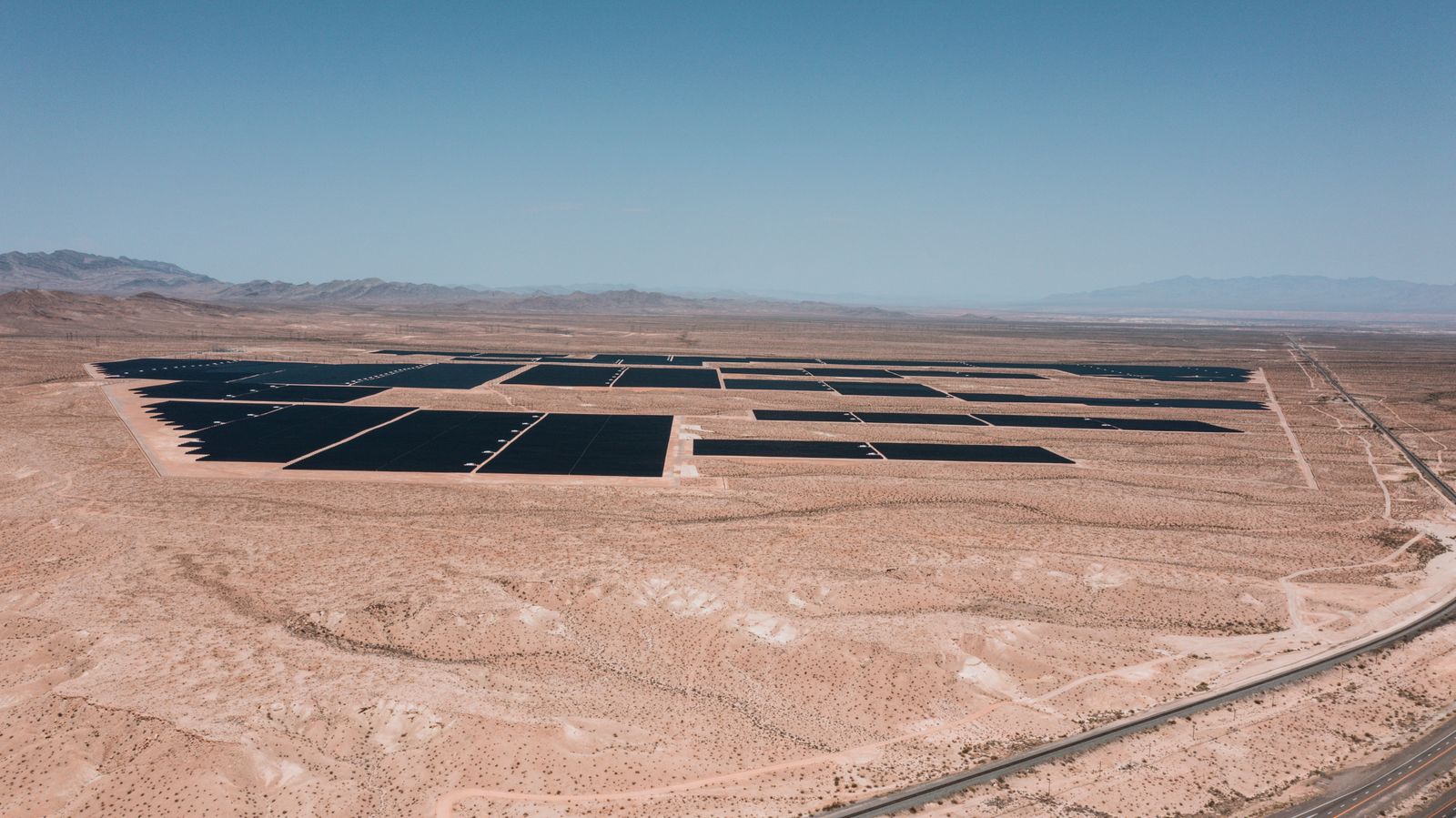
Orgo-Life the new way to the future Advertising by AdpathwayIndia’s solar boom tends to get told through capacity numbers — gigawatts added, tariffs falling, mega-parks rising out of the desert. Those numbers are real and genuinely remarkable. But they can also flatten a much more granular question: who actually gets to own and build the projects behind them?
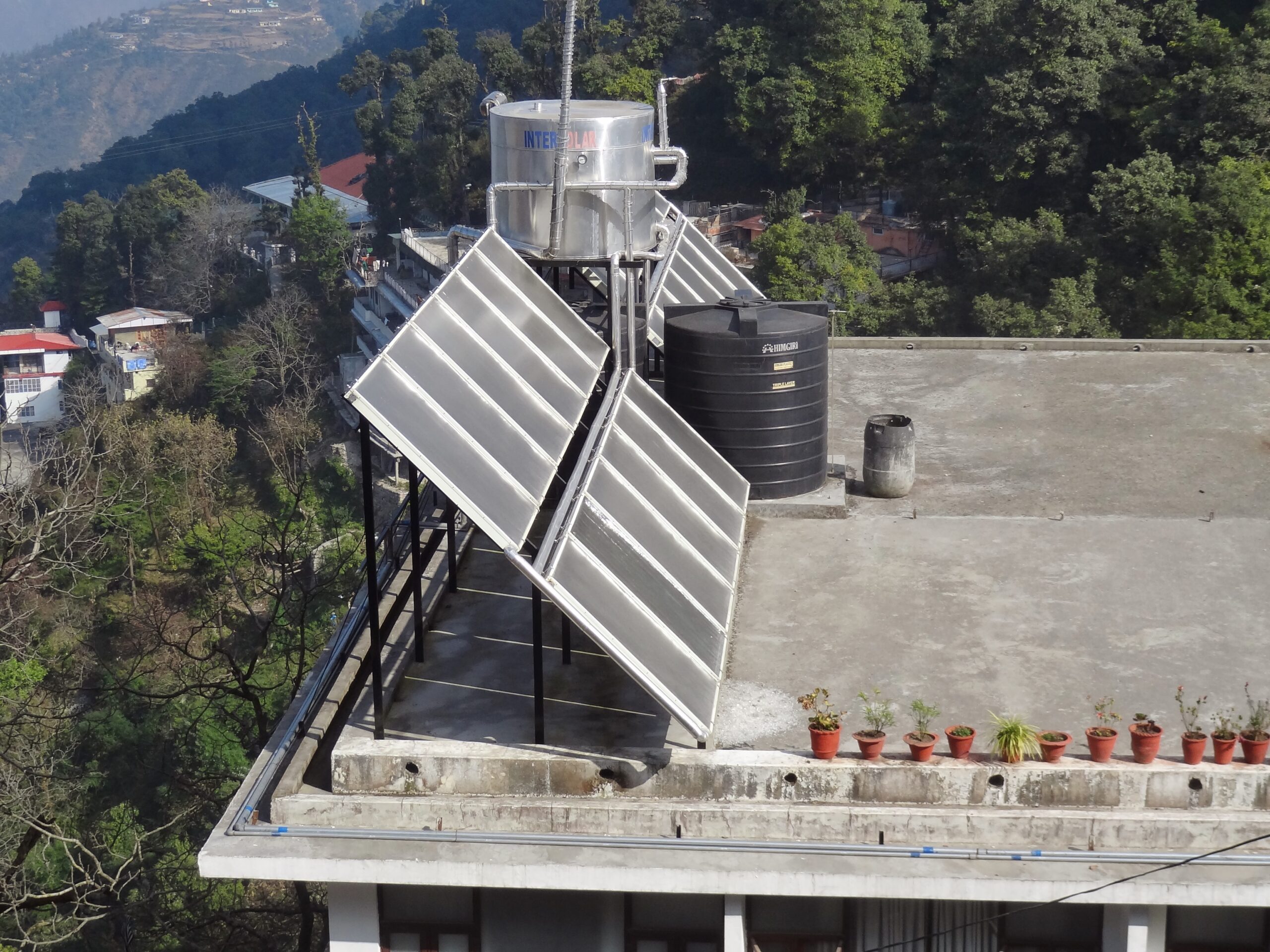
A press release from the Ministry of Social Justice & Empowerment this week offered one small, specific answer. Dasari Kumari, an entrepreneur in Nalgonda, Telangana, owns and operates Dartyens Power Private Limited — a women-led solar power India project, a 1 megawatt solar power plant that has been supplying clean electricity to the grid since it was commissioned with backing from the Venture Capital Fund for Scheduled Castes (VCF-SC) in 2016.
Why the financing detail is the actual story
Solar power generation isn’t a technically exotic business anymore — the engineering and the equipment supply chains are mature and well understood. What determines who gets to build a plant is almost entirely about who can raise the upfront capital, and that’s where the playing field has historically been uneven. Women make up just 11% of India’s renewable energy workforce, against a global average closer to 32%, and the gap widens sharply in technical and ownership roles: about 3% in construction and commissioning, and roughly 1% in operations and maintenance, according to sector analysis. Land ownership compounds the problem — women own under 14% of land in India, which matters directly for renewable energy financing because land title is often the collateral banks want before extending a project loan.
VCF-SC exists to work around exactly that kind of structural gap, though for caste rather than gender specifically — it was set up by the Ministry of Social Justice & Empowerment and is professionally managed by IFCI Venture Capital Funds, providing equity-linked financing (rather than requiring the collateral a conventional bank loan would) to Scheduled Caste-owned enterprises that meet minimum shareholding thresholds. Dartyens Power sits at the intersection of both gaps — a Scheduled Caste-owned business and a woman-led one — in a sector where both categories remain thin on the ground, one of the more instructive changemakers stories to come out of India’s clean energy sector this year.
A funding model that keeps showing up in circular-economy and clean-energy stories
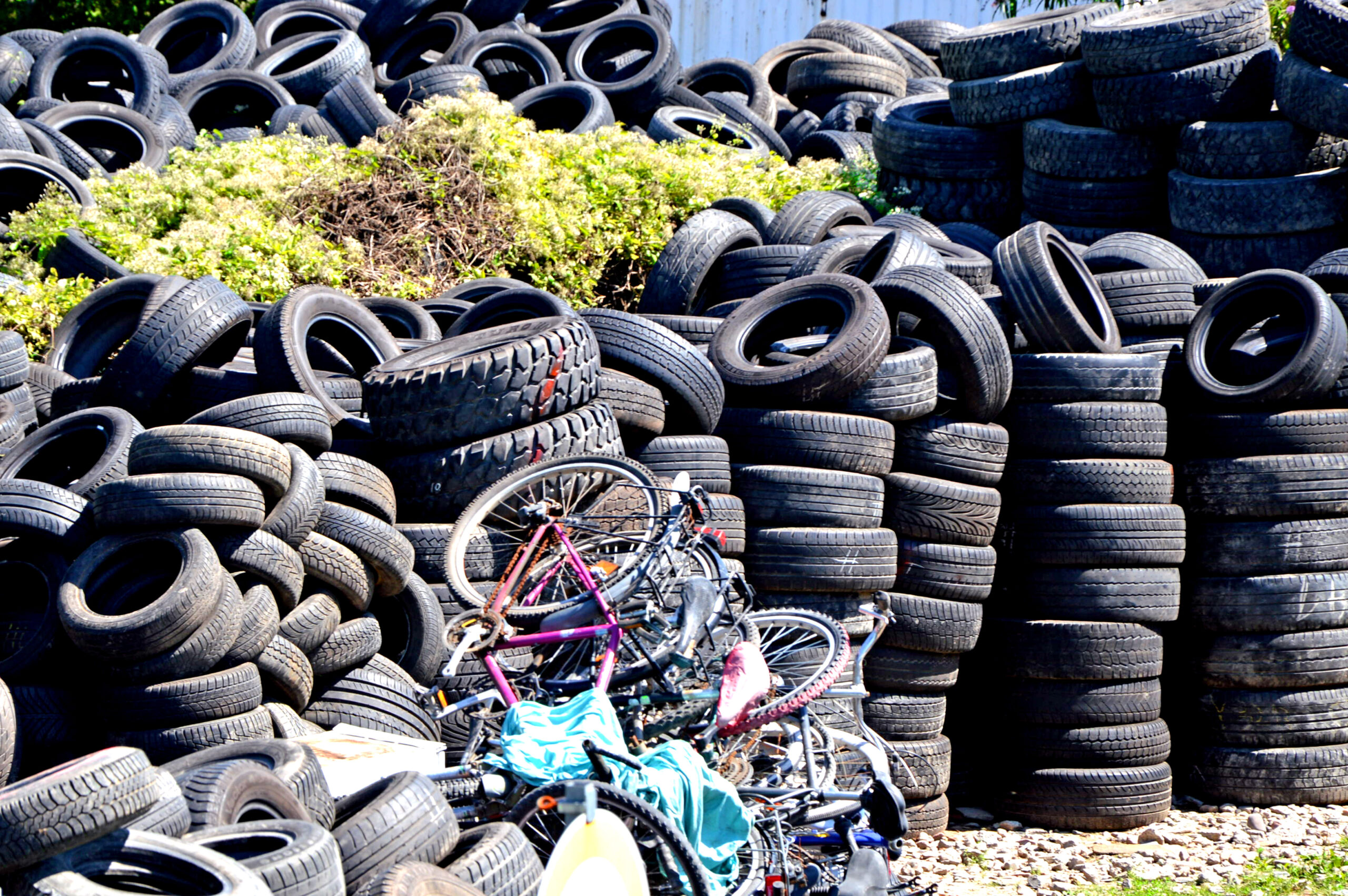
This is the second VCF-SC-backed sustainability story PIB has highlighted this week alone — the fund also recently profiled a Scheduled Caste woman entrepreneur’s waste-tyre recycling plant in Visakhapatnam. Taken together, the two releases point to something worth noticing: a fairly small, specialised government venture capital vehicle is quietly showing up at the origin point of multiple distinct sustainability sectors — clean energy generation and circular-economy waste processing — not because those sectors were its original mandate, but because access to growth capital, not technical capability, was the actual constraint holding first-generation entrepreneurs back from entering them.
India’s 2030 target of 500 GW of non-fossil-fuel capacity — part of the same solar growth story that has already taken the country from 3 GW to over 162 GW of installed solar capacity in a decade — will require thousands of projects like Dartyens Power’s, not just a handful of record-setting mega-parks. Widening who has access to the clean energy capital needed to build them — across caste, gender, and geography — isn’t a side note to that target. It’s close to the whole game.
Source: Press Information Bureau, Government of India — Driving Clean Energy and Sustainable Entrepreneurship: How VCF-SC Enabled Dartyens Power Pvt. Ltd. to Establish a Successful Solar Power Project
For more sustainability news from India, explore Prakati’s ongoing coverage of clean energy and women-led entrepreneurship.








.png)





.jpg)



 English (US) ·
  French (CA) ·