

.png) 6 hours ago
10
6 hours ago
10
PROTECT YOUR DNA WITH QUANTUM TECHNOLOGY
Orgo-Life the new way to the future Advertising by Adpathway 7 natural anti inflammatory foods for chronic pain 1790938900 1
How Chronic Inflammation Fuels Pain
Chronic inflammation is the body’s immune response stuck in the “on” position, and it plays a central role in ongoing pain. A 2023 review in the National Library of Medicine’s PMC database found that an anti-inflammatory diet rich in fatty fish, extra virgin olive oil, nuts, fruits, vegetables, legumes, and fermented dairy can help manage chronic pain.
That’s why 7 natural anti-inflammatory foods for chronic pain matter so much. They work with your body instead of against it.
This guide breaks down which foods calm inflammation, which ones fuel it, and how long results take. At Alternative Medicine, we follow the motto “food is medicine.”
The science here is not fringe. Researchers have published 191 studies on how anti-inflammatory diets affect the body, and the results keep pointing in the same direction.
1. Fatty Fish: Omega-3s That Calm Cytokines
Fatty fish tops the list because it delivers omega-3 fatty acids that directly lower cytokines, the chemical messengers that drive inflammation. Salmon, sardines, mackerel, and tuna are your best choices. Aim for two servings a week.
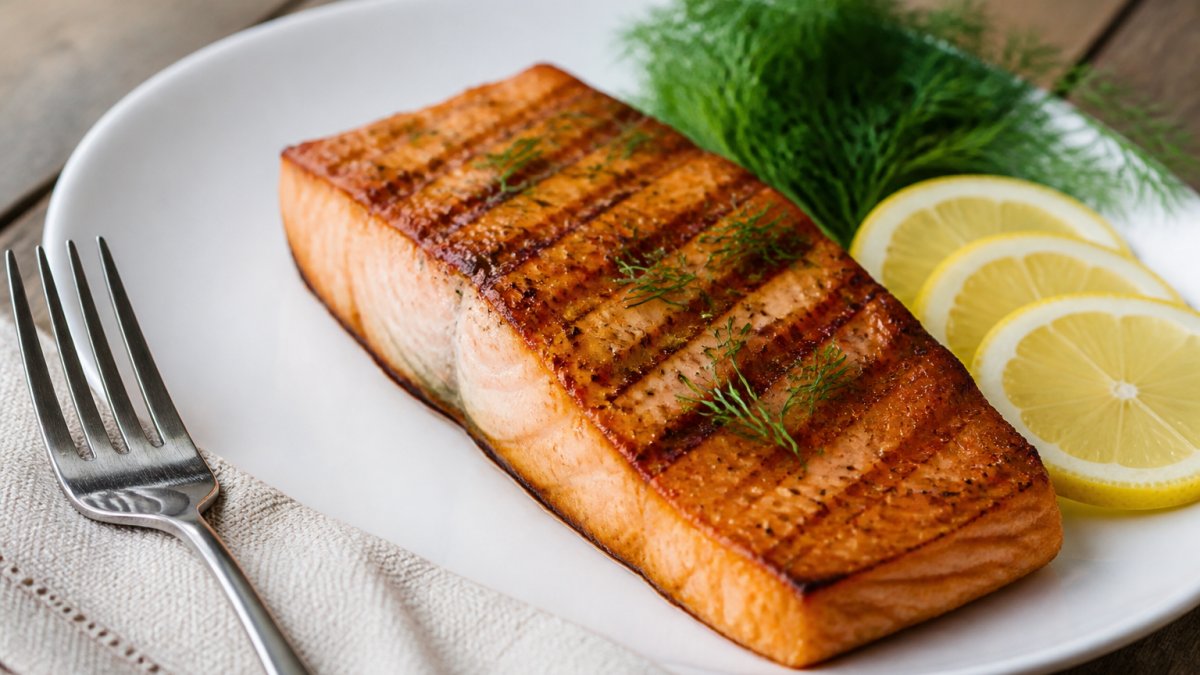 A close-up of a freshly grilled salmon fillet on a white ceramic plate, garnished with lemon slices and fresh dill, placed on a wooden table with a linen napkin and a fork beside it
Omega-3s block the pathways that trigger joint pain and stiffness.
2. Extra Virgin Olive Oil and Leafy Greens
Extra virgin olive oil and leafy greens form the backbone of the Mediterranean pattern, one of the most studied diets for chronic pain. A 2024 review in Cureus found this way of eating may reduce inflammation and support immune function in people with fibromyalgia.
- Extra virgin olive oil: Use it cold on salads or drizzle it over cooked vegetables.
- Leafy greens: Spinach, kale, and Swiss chard carry antioxidants that fight oxidative stress.
- Pair them: A spinach salad with olive oil, lemon, and walnuts takes five minutes.
Pro Tip
Buy extra virgin olive oil in dark glass bottles. Light and heat break down the polyphenols that do the anti-inflammatory work, so a clear plastic bottle on a sunny shelf is a waste of money.
3. Berries, Nuts, and Seeds: Antioxidant Powerhouses
are antioxidant powerhouses that fight oxidative stress at the cellular level. Blueberries, strawberries, walnuts, almonds, and flaxseed are all strong picks. These foods also feed your gut microbiome, which shapes how your body handles inflammation.
4. Fermented Dairy and the Gut Microbiome
Fermented dairy feeds the gut microbiome, and a healthier gut means less systemic inflammation. Yogurt and kefir with live cultures are the easiest options. Look for plain versions without added sugar.
- Choose plain yogurt or kefir with “live and active cultures” on the label
- Skip flavored versions loaded with refined sugars
- Add fresh fruit for sweetness instead
5. Best Anti-Inflammatory Spices for Pain
The best anti-inflammatory spices for pain include turmeric, ginger, rosemary, oregano, cayenne, cloves, and nutmeg. Clinical guidance now recommends working these into daily meals, not just using them once in a while.
- Turmeric: Add to soups, rice, or scrambled eggs with a pinch of black pepper
- Ginger: Steep fresh slices in hot water for a simple tea
- Rosemary and oregano: Sprinkle over roasted vegetables and lean meats
Watch Out
Turmeric and ginger can interact with blood thinners like warfarin. If you take prescription medication, talk to your doctor before adding large daily doses. The interaction is real, not a rumor.
Foods to Avoid for Chronic Inflammation
The foods to avoid for chronic inflammation are the ones that spike blood sugar, feed pro-inflammatory gut bacteria, and trigger the release of cytokines. The mechanism matters more than the list: refined carbohydrates and added sugars drive insulin surges that activate the same immune pathways involved in joint pain and stiffness, while trans fats and excess omega-6 seed oils shift your body toward a pro-inflammatory state.
| Sugary drinks and fruit juice | Rapid blood-sugar spikes drive cytokine release | Sparkling water with lime, or unsweetened iced tea |
| White bread, white pasta, pastries | Refined flour behaves like sugar in the body | Whole-grain or legume-based pasta, sourdough, oats |
| Processed deli meats, bacon, hot dogs | Nitrates and saturated fat linked to higher CRP | Roast your own chicken or turkey and slice it |
| Deep-fried foods and trans fats | Directly raise inflammatory markers | Roast, air-fry, or pan-sear in olive oil |
| Margarine and refined seed oils | High omega-6 ratio tips the balance | Extra virgin olive oil, avocado oil, butter in moderation |
| Sugary breakfast cereals and granola bars | Often 20+ grams of added sugar per serving | Plain oats with berries, or plain yogurt with nuts |
| Alcohol beyond moderate intake | Strains the liver and disrupts gut barrier function | Kombucha, herbal tea, or a small glass of red wine |
Key Takeaway
The fastest way to lower inflammation through diet is subtraction, not addition. Removing refined sugars and processed meats often does more in the first month than adding any single “superfood.”
The Drug-Nutrient Interaction Most Guides Skip
If you take common pain medications, the food-avoidance list changes slightly. It’s important to understand these nuances:
- NSAIDs (ibuprofen, naproxen, aspirin): Long-term use can irritate the stomach lining. Pairing them with alcohol or very spicy meals raises the risk of ulcers. Take them with food, and go easy on cayenne-heavy dishes during flare-ups.
- Warfarin and other blood thinners: Large, sudden increases in turmeric, ginger, garlic, or leafy greens (which contain vitamin K) can interfere with dosing. Keep intake steady rather than bingeing on any one of them.
- Corticosteroids (prednisone): These raise blood sugar, so the refined-carb cutbacks above matter even more while you are on them.
- Methotrexate (used for rheumatoid arthritis): Alcohol should be avoided, and folate-rich leafy greens are usually encouraged, the opposite of what a generic ‘avoid nightshades’ list would tell you.
How Long Does an Anti-Inflammatory Diet Take to Work?
Most people notice less pain and stiffness within 4 to 8 weeks of consistent changes. Some feel better in 2 weeks; others need 3 months. The timeline depends on how much you change, how long inflammation has built up, and whether you are also managing an autoimmune condition.
| Weeks 1-2 | Less bloating, better energy, clearer thinking | Blood-sugar swings stabilize; gut bacteria start shifting | Cutting refined sugars and processed meats |
| Weeks 3-4 | Reduced morning joint stiffness | CRP and other inflammatory markers begin to trend down | Adding fatty fish twice a week and leafy greens daily |
| Weeks 5-8 | Lower baseline pain, better sleep | Omega-3s incorporate into cell membranes; cytokines drop | Keeping spice and berry intake steady |
| Weeks 9-12 | Noticeable change in daily comfort | Gut microbiome composition stabilizes; immune signaling calms | Locking in the pattern long term |
Meal Prep When Chronic Pain Limits Your Energy
This is the part most guides skip, and it is the part that decides whether the timeline above actually happens. On a bad pain day, chopping vegetables is not realistic. Plan for that.
- Batch on good days. When you have a higher-energy window, cook two or three servings of salmon, roast a tray of vegetables, and cook a pot of whole grains. Refrigerate in single portions.
- Keep no-chop anti-inflammatory foods on hand. Canned sardines in olive oil, frozen berries, pre-washed spinach, plain Greek yogurt, walnuts, and pre-cooked lentils require almost no effort.
- Use a stool at the counter. A simple kitchen stool removes the standing fatigue that makes cooking feel impossible on flare days.
- Lean on a slow cooker or Instant Pot. Dump ingredients in the morning, eat at night. Turmeric, ginger, and garlic go in with no chopping if you use jarred versions.
- Freeze in flat bags. Soups, stews, and curries freeze flat and thaw in minutes. Label with the date.
- Lower the bar on bad days. A bowl of plain yogurt with frozen berries and walnuts is a legitimate anti-inflammatory meal. It does not have to be a recipe.
Budget-Friendly Anti-Inflammatory Shopping
Wild-caught salmon is excellent, but it is not the only option. The anti-inflammatory pattern works on a tight budget:
- Canned sardines, mackerel, and salmon cost a fraction of fresh fillets and deliver the same omega-3s.
- Frozen berries and spinach are picked and frozen at peak ripeness, often with equal or better nutrient content than fresh.
- Dried beans and lentils are among the cheapest anti-inflammatory proteins available.
- Cabbage, carrots, onions, and sweet potatoes are inexpensive, store well, and fit the pattern.
- Store-brand olive oil in dark glass gives you the polyphenols without the markup.
Frequently Asked Questions
What naturally kills inflammation in the body?
No single food eliminates inflammation, but an anti-inflammatory diet rich in omega-3 fatty acids, antioxidants, and phytonutrients helps lower inflammation markers like c-reactive protein. Research from PMC (2024) highlights 191 citations on the promising effects of anti-inflammatory diets. Fatty fish, extra virgin olive oil, leafy greens, berries, nuts, and fermented dairy work together to reduce systemic inflammation, support the gut microbiome, and ease chronic pain. Dietary intervention is most effective as part of a broader integrative approach, not as a standalone cure.
How long does an anti-inflammatory diet take to reduce pain?
Results vary by person and condition. Some people notice changes within a few weeks of consistently eating anti-inflammatory foods, while others need two to three months for meaningful pain reduction. A PMC (2023) study on dietary interventions for chronic pain supports gradual improvement. Stick with the diet consistently, track your symptoms, and discuss expectations with your doctor, especially if you have arthritis or an autoimmune condition.
What are the best anti-inflammatory spices for pain?
Daily use of ginger, turmeric, rosemary, oregano, cayenne, cloves, and nutmeg can be beneficial for pain management. Turmeric contains curcumin, a compound studied for its effect on inflammation. Ginger offers similar benefits and is easy to add to teas, soups, and stir-fries. These spices work best when used consistently alongside an overall anti-inflammatory eating pattern, not as isolated remedies.
Are there specific foods that trigger chronic pain?
Yes. Processed foods, refined sugars, trans fats, and processed deli meats are common triggers. These foods promote systemic inflammation and can worsen joint pain and arthritis symptoms. Reducing them while increasing anti-inflammatory foods is a practical first step for most people managing chronic pain.














.png)






.jpg)



 English (US) ·
  French (CA) ·